
Kindergarten marks an exciting milestone in early childhood education. Young children enter the classroom eager to explore books, decipher words, and make sense of printed text. Learning the alphabet is the essential starting point for all future reading and writing success. When boys and girls learn to recognize letter shapes, name each character quickly, and link letters with spoken speech sounds, literacy takes root.
Early reading research across American elementary schools highlights alphabet recognition as a primary predictor of third grade reading performance. Children who master letter names and shapes during kindergarten transition smoothly into phonics blending, decodable reading, and independent sentence writing. Providing structured daily practice with both uppercase and lowercase forms establishes strong neural pathways for rapid word memory. Effective early literacy instruction blends direct teacher demonstration with hands-on practice, giving young students plenty of opportunities to see, trace, speak, and identify letters in multiple classroom contexts.
Alphabet knowledge provides the framework for phonemic awareness and printed communication. Letters serve as symbols that represent the individual sounds of the English language. Until a child understands that written marks connect directly to spoken sounds, reading remains an abstract puzzle.
Systematic alphabet instruction helps young learners build three crucial abilities:
First, visual discrimination allows children to notice subtle differences between typographic shapes. A child learns to tell apart tall vertical lines, diagonal slopes, horizontal crossbars, and curved loops.
Second, letter naming speed enables automatic recognition. When an emergent reader identifies a letter instantly without hesitation, cognitive energy remains free for sound blending and story comprehension.
Third, letter sound connection bridges print with speech. Learning that the letter A represents the short vowel sound heard in apple or astronaut unlocks the code for decodable books. Consistent classroom practice gives kindergarteners the solid foundation needed to become confident, lifelong readers.
The letter A holds a special place in the alphabet as the very first letter and the foundation of many essential primary words. Because the letter A appears in common high frequency sight words, decodable CVC patterns, and familiar names, teachers introduce this letter early in the school year.
Introducing the letter A involves presenting both the uppercase form and the lowercase form at the same time. Young minds benefit from seeing both cases together so they understand that both symbols share the same name and represent the same speech sounds.
Educators introduce the letter A through multimodal teaching steps:
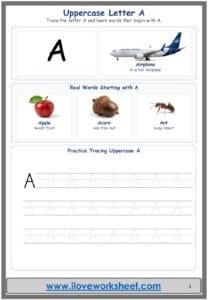
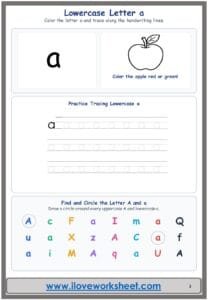
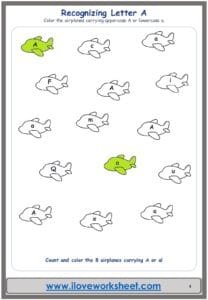
Handwriting plays a critical role in memory retention. Cognitive science confirms that the physical act of forming letters by hand activates neural circuits responsible for letter recognition and word reading. When children write letters stroke by stroke, the motor patterns reinforce visual recognition far more effectively than merely pointing to letters on a digital screen.
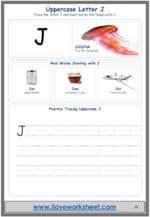
Uppercase characters are often the first letters that young children learn to write. Capital letters consist largely of continuous straight lines and simple angles that prove easier for developing finger muscles to control.
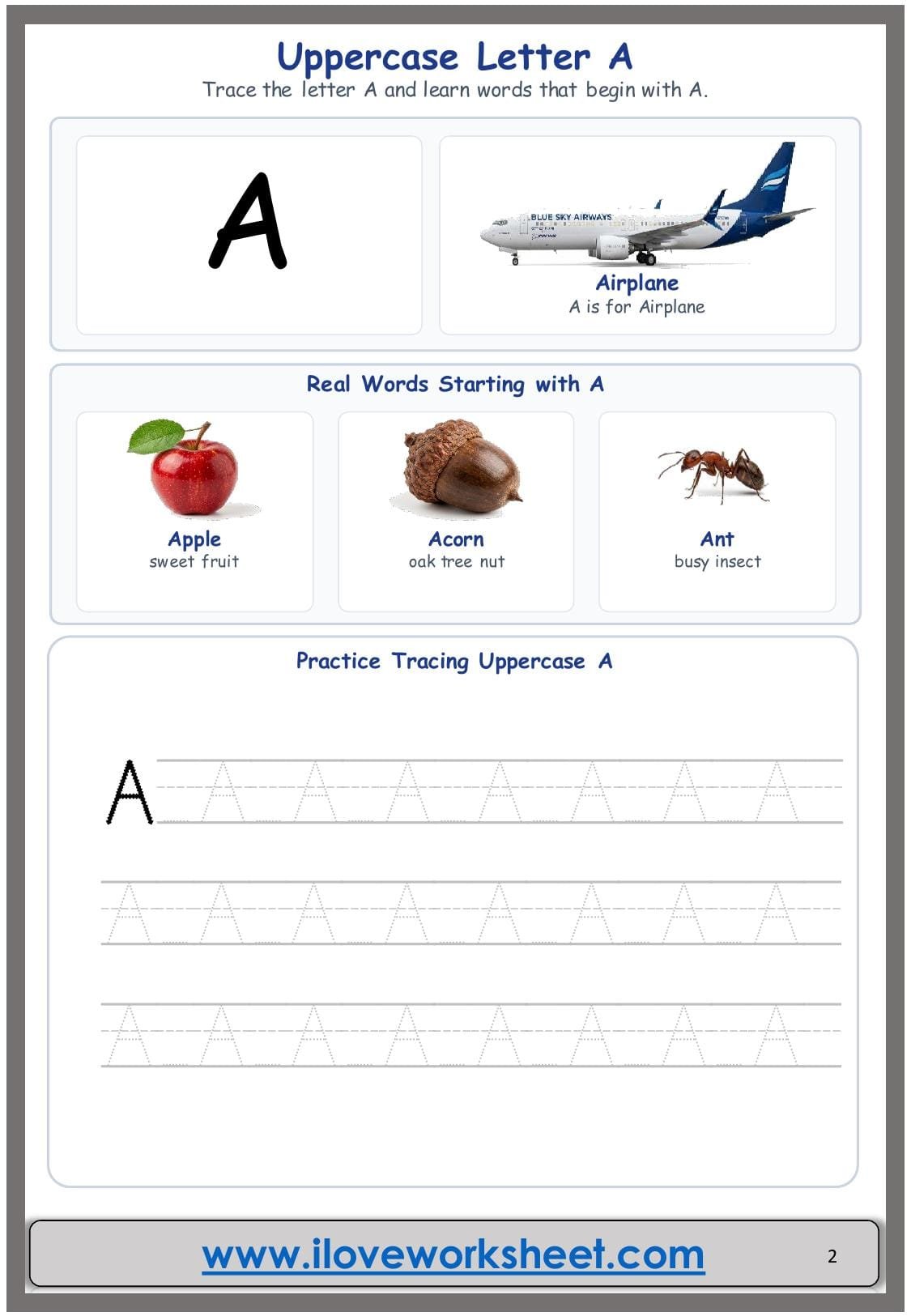
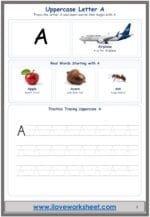
For uppercase A, pencil progression follows three specific strokes:
Stroke One begins at the top headline, sliding diagonally down to the left baseline.
Stroke Two returns to the top point, sliding diagonally down to the right baseline.
Stroke Three creates a straight horizontal crossbar across the middle dashed line, connecting the two diagonal legs.
Handwriting guidelines featuring a solid headline, dashed midline, and solid baseline give kindergarten students spatial reference points. Young writers learn to anchor tall capital letters between the top and bottom lines. Tracing dotted models builds pencil confidence, strengthens pencil grip, and prevents backwards stroke habits before students write independently.
While capital letters dominate early signs and environmental print, lowercase letters make up more than ninety percent of all written text in books, classroom readers, and elementary worksheets. Consequently, developing rapid visual familiarity with lowercase letterforms is vital for early reading fluency.
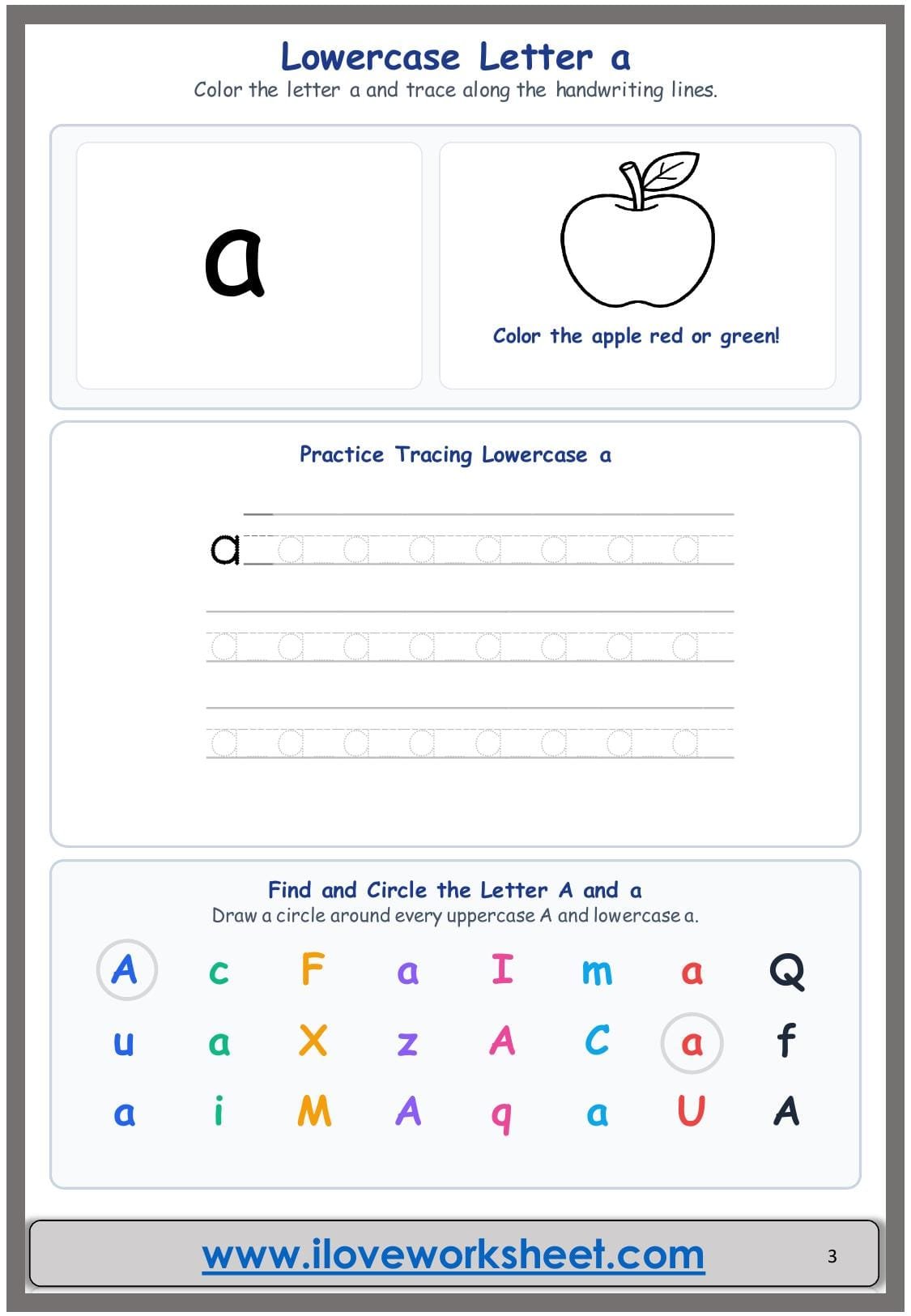
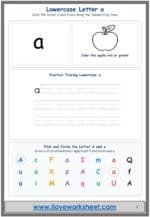
Lowercase characters present unique developmental hurdles for five and six year old learners. Many lowercase letters feature subtle loops, short stems, and ascenders that look similar to other characters. For instance, lowercase a consists of a rounded circular belly and a straight right downward stem. Young learners must distinguish lowercase a from letters like o, c, d, and q.
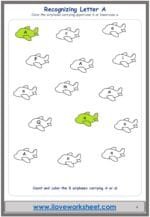
Effective worksheets address visual discrimination through structured search and identify exercises. When students scan rows of circular letter bubbles or vehicle badges to spot target lowercase a characters among contrasting distractor letters, children train their eyes to notice critical distinguishing traits. Finding and coloring specific letter circles strengthens sustained visual attention, improves left-to-right scanning patterns, and builds the visual stamina required for reading multi-word sentences.
Phonics instruction succeeds best when connected to concrete, meaningful nouns that young children recognize from daily life. Abstract phonetic symbols become memorable when tied to colorful, real world examples.
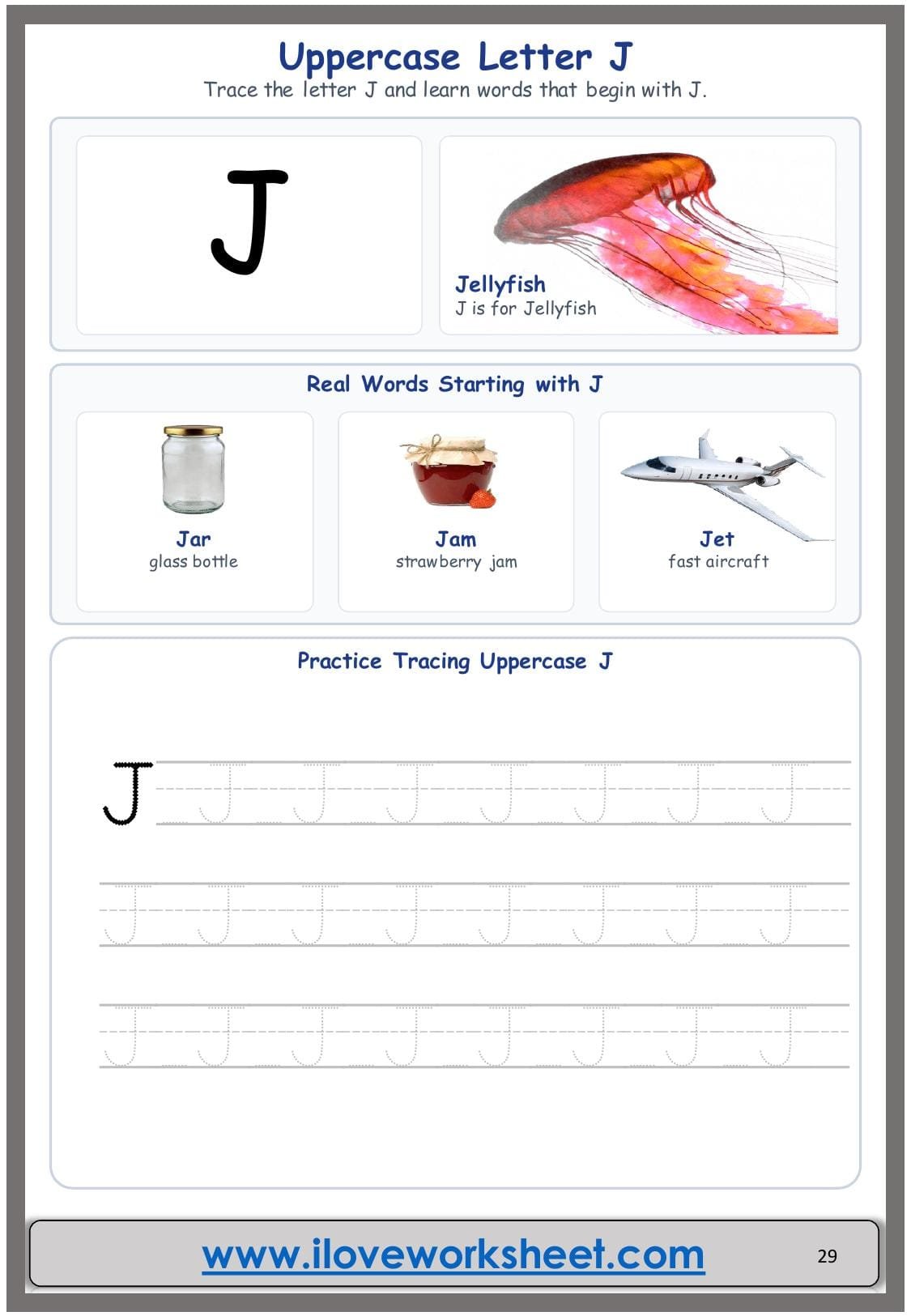
Using real photographic images on elementary printables offers distinct pedagogical advantages over abstract cartoon drawings. Clean, transparent photographs of real items present authentic visual models that mirror what children encounter in nature, at home, and in the grocery store.
Key vocabulary words supporting the letter A include:
Apple: A beloved everyday fruit that provides an immediate, tangible anchor for the short vowel sound. Discussing apple colors, tasting apple slices during snack time, and tracing the letter A reinforces cross-curricular connections between science and literacy.
Acorn: A familiar outdoor treasure found under oak trees during autumn nature walks. Children enjoy collecting acorns on the playground, making the acorn an engaging nature-based phonics anchor.
Airplane: An exciting transportation theme that sparks imagination. Children associate the soaring motion of airplanes with active classroom play, creating excitement around letter recognition games.
Ant: A tiny, industrious creature that fascinates young explorers. Observing how ants walk in straight lines inspires fun classroom movement breaks while solidifying initial letter sounds.
Kindergarten students learn most effectively through active play, colorful engagement, and varied sensory tasks. Monotonous drill sheets quickly cause restlessness and mental fatigue. Well designed classroom printables incorporate multiple activity formats on each page to maintain high student motivation.
Popular hands-on alphabet tasks include:
Interactive Coloring: Outlines of letters and objects allow children to personalize their work with crayons or colored pencils. Coloring within boundaries refines fine motor precision and finger dexterity.
Bubble Letter Hunts: Scattered circular bubbles containing mixed letters turn visual discrimination into an entertaining treasure hunt. Students feel a sense of accomplishment as they find and shade each matching bubble.
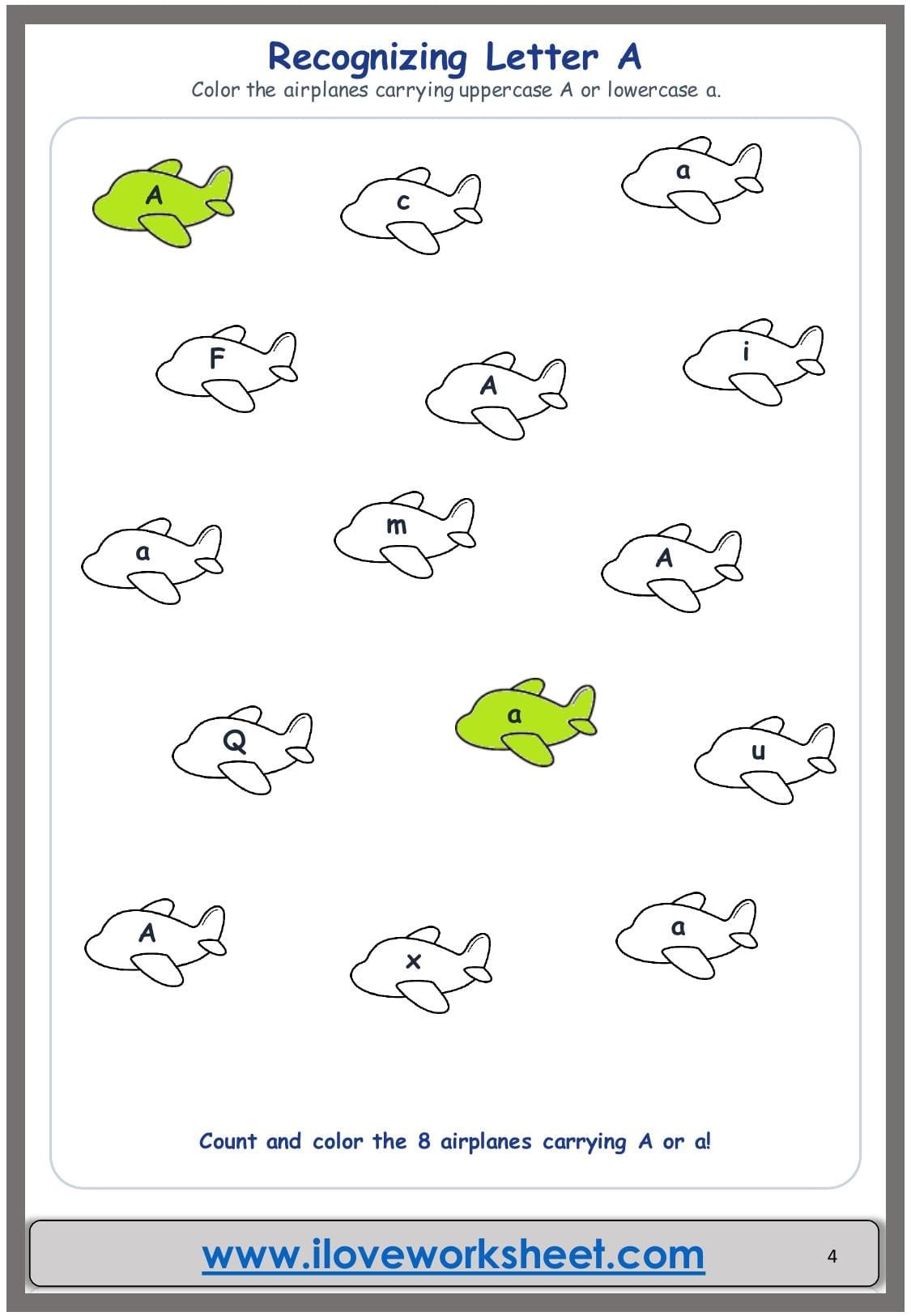
Thematic Vehicle Searches: Locating letter badges placed inside airplanes, school buses, or cars taps into natural curiosity. Young learners enjoy counting total airplanes found, reinforcing early numeracy alongside alphabet awareness.
Finger Tracing: Running fingertips over large textured letter models before picking up a pencil activates sensory tactile memory. Kinesthetic tracing calms busy hands and prepares fingers for proper pencil holding.
Elementary educators and homeschool parents achieve the best outcomes by establishing predictable, structured daily literacy routines. Consistency helps young learners know what to expect, reducing anxiety and increasing student independence.
A balanced weekly alphabet routine might include:
Monday – Letter Discovery: Introduce the new letter sound and demonstrate uppercase and lowercase formation using large display cards. Read an alphabet picture book highlighting the target letter sound.
Tuesday – Handwriting and Tracing: Students work on tracing sheets, practicing proper top-to-bottom stroke sequence with pencils, colored markers, or rainbow crayons.
Wednesday – Visual Discrimination Hunt: Children complete letter search worksheets, circling target characters and identifying initial sound picture cards in small literacy groups.
Thursday – Phonics Vocabulary and Real World Sorting: Students sort miniature classroom objects or picture flashcards into sound categories, separating items that begin with the target letter sound from items that do not.
Friday – Creative Review and Alphabet Crafts: Celebrate weekly mastery with an art craft, such as stamping painted apple prints or assembling paper airplanes decorated with letter A stamps.
By providing varied, uncluttered, and high quality printables, teachers cultivate a joyful classroom atmosphere where emergent readers thrive, build confidence, and develop a genuine passion for reading and writing.