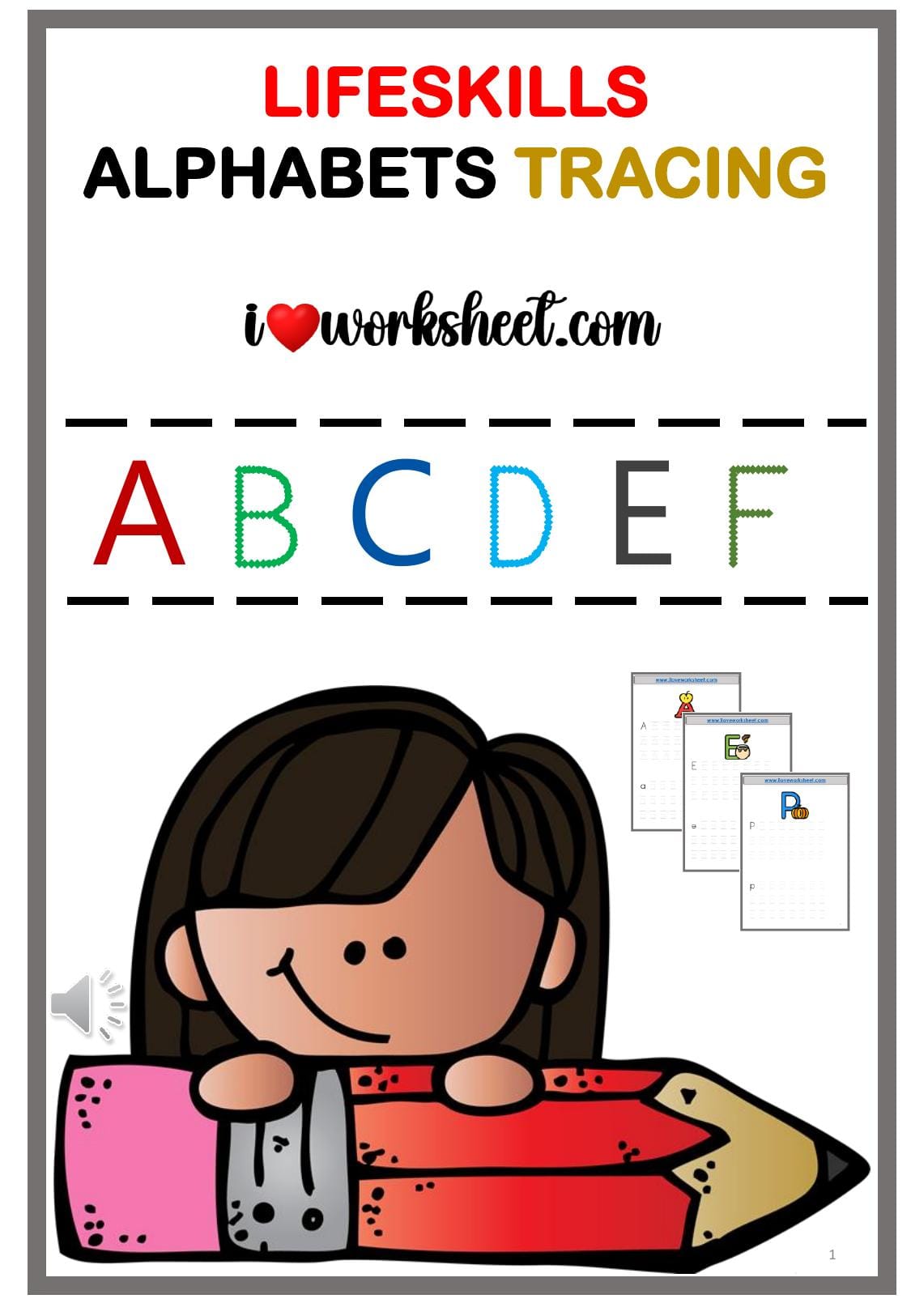

Alphabet tracing is one of the most effective early‑learning activities for helping children build strong handwriting, literacy, and fine‑motor skills. Whether used in preschool, kindergarten, homeschooling, or early intervention programs, alphabet tracing worksheets give young learners the structure and repetition they need to master letter formation.
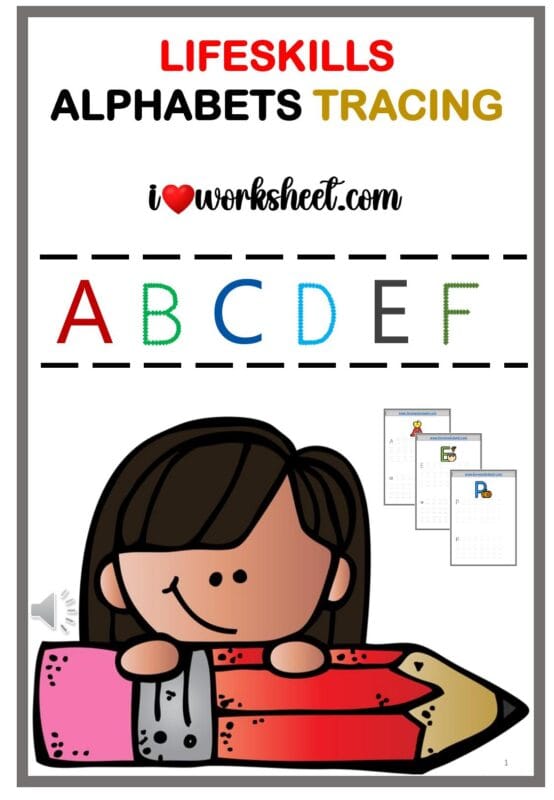
Alphabets Tracing worksheet is a comprehensive A–Z resource that introduces each letter with a large model, followed by guided tracing lines for both uppercase and lowercase forms. It includes visual cues, repeated patterns, and structured practice that support confident handwriting development.
Alphabet tracing is more than a handwriting exercise — it is a foundational literacy skill. When children trace letters, they are learning:
Tracing strengthens the small muscles in the hands and fingers, preparing children for writing, drawing, cutting, and other daily tasks.
Following lines and curves helps children develop control and precision, essential for neat handwriting.
Seeing and tracing letters repeatedly helps children remember their shapes and distinguish between uppercase and lowercase forms.
Before children can write independently, they must understand how letters are formed — where to start, how to shape strokes, and how to maintain consistent size and spacing.
Recognizing and writing letters is the first step toward phonics, reading, and spelling.
Alphabet tracing worksheets like yours provide the structure needed to build these skills in a clear, engaging way.
Your worksheet includes all 26 letters, each presented with:
Here’s how the worksheet supports learning across the alphabet:
The worksheet begins with a bold uppercase A and several rows of tracing practice. Children learn diagonal strokes and the crossbar, which are essential for forming the letter correctly.
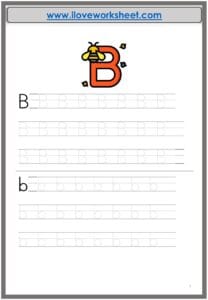
The B page includes a strong vertical line and two rounded curves. The repeated tracing rows help children understand how to balance straight and curved strokes.
The C page focuses on curved strokes, helping children practice smooth, open shapes that prepare them for letters like O, G, and Q.
The D page includes both uppercase and lowercase forms, reinforcing the difference between the tall vertical line of uppercase D and the rounded shape of lowercase d.
Each letter follows a similar structure:
For example:
This consistent structure helps children build confidence as they progress through the alphabet.
Alphabet tracing worksheets are powerful because they combine visual, tactile, and cognitive learning. Your worksheet uses several effective teaching strategies:
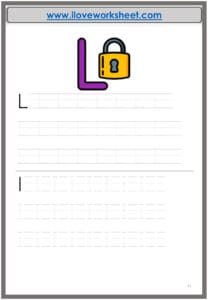
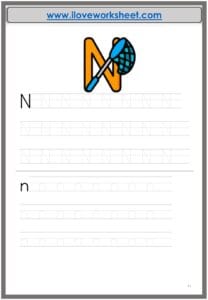
Each page begins with a large, bold letter that serves as a visual guide for proper formation.
Children learn to recognize and write both forms of each letter, which is essential for reading and writing.
Multiple tracing rows help children internalize letter shapes through repeated practice.
Some pages include creative visual patterns that make tracing more engaging and help reinforce letter structure.
The worksheet begins with simpler letters made of straight lines and gradually introduces more complex curves and angles.
Alphabet tracing supports a wide range of developmental and academic skills:
Tracing builds the hand muscles needed for writing, coloring, and everyday tasks.
Repeated exposure helps children identify letters quickly in books, signs, and classroom materials.
Children who recognize letters early tend to learn phonics and reading more easily.
Tracing gives children the confidence to write letters independently.
Completing tracing rows helps children develop attention span and task persistence.
To maximize the benefits of alphabet tracing, consider these strategies:
Large models help children understand letter shapes before moving to smaller lines.
A tripod grip gives children better control and reduces hand fatigue.
Encourage children to follow each stroke deliberately rather than rushing.
Say the letter sound while tracing to reinforce early reading skills.
Finger tracing, sand writing, and playdough letters make learning more interactive.
Positive reinforcement builds confidence and motivation.
Your alphabet tracing worksheet stands out because it offers:
These features make it ideal for: