
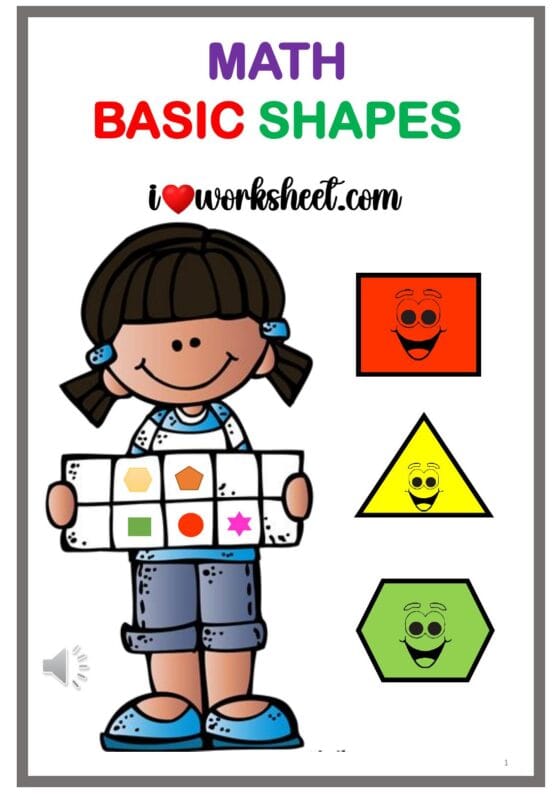
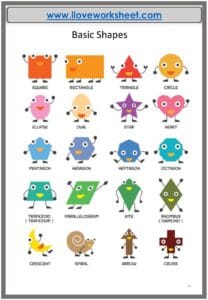
Basic shapes form the foundation of early mathematics. Children begin recognising shapes long before they learn numbers or letters, making shape awareness an essential part of early education. The Basic Shapes worksheet introduces several important shapes — square, rectangle, triangle, and circle — along with activities that help children identify, count, match, and create objects using these shapes. This structured approach strengthens visual recognition, spatial reasoning, and early geometry skills.
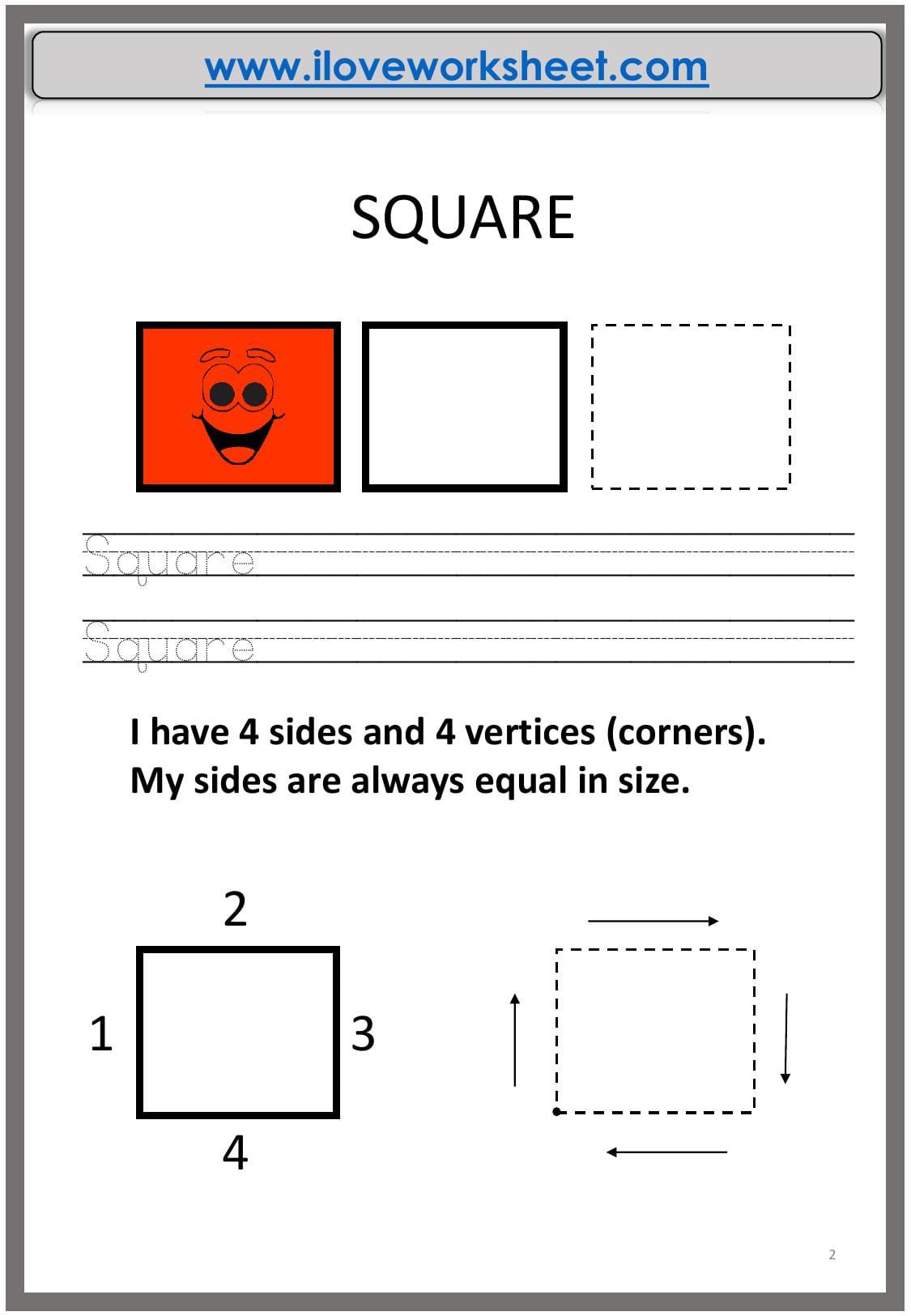
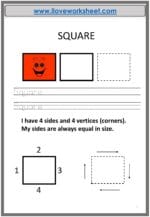
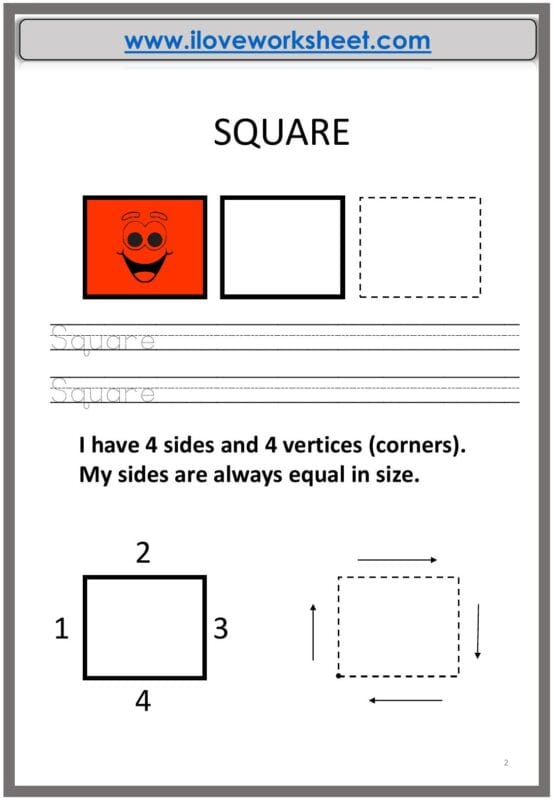
The worksheet begins with a clear introduction to the square, including the description: “I have 4 sides and 4 vertices (corners). My sides are always equal in size.” This simple explanation helps children understand what makes a square unique.
The square is one of the most recognisable shapes in early learning. It has four equal sides and four corners. Children often see squares in everyday objects such as tiles, windows, and boxes. The worksheet reinforces this understanding by showing labelled sides and corners, helping learners visualise the structure.
Activities involving squares include:
These tasks help children understand symmetry, equal lengths, and right angles.
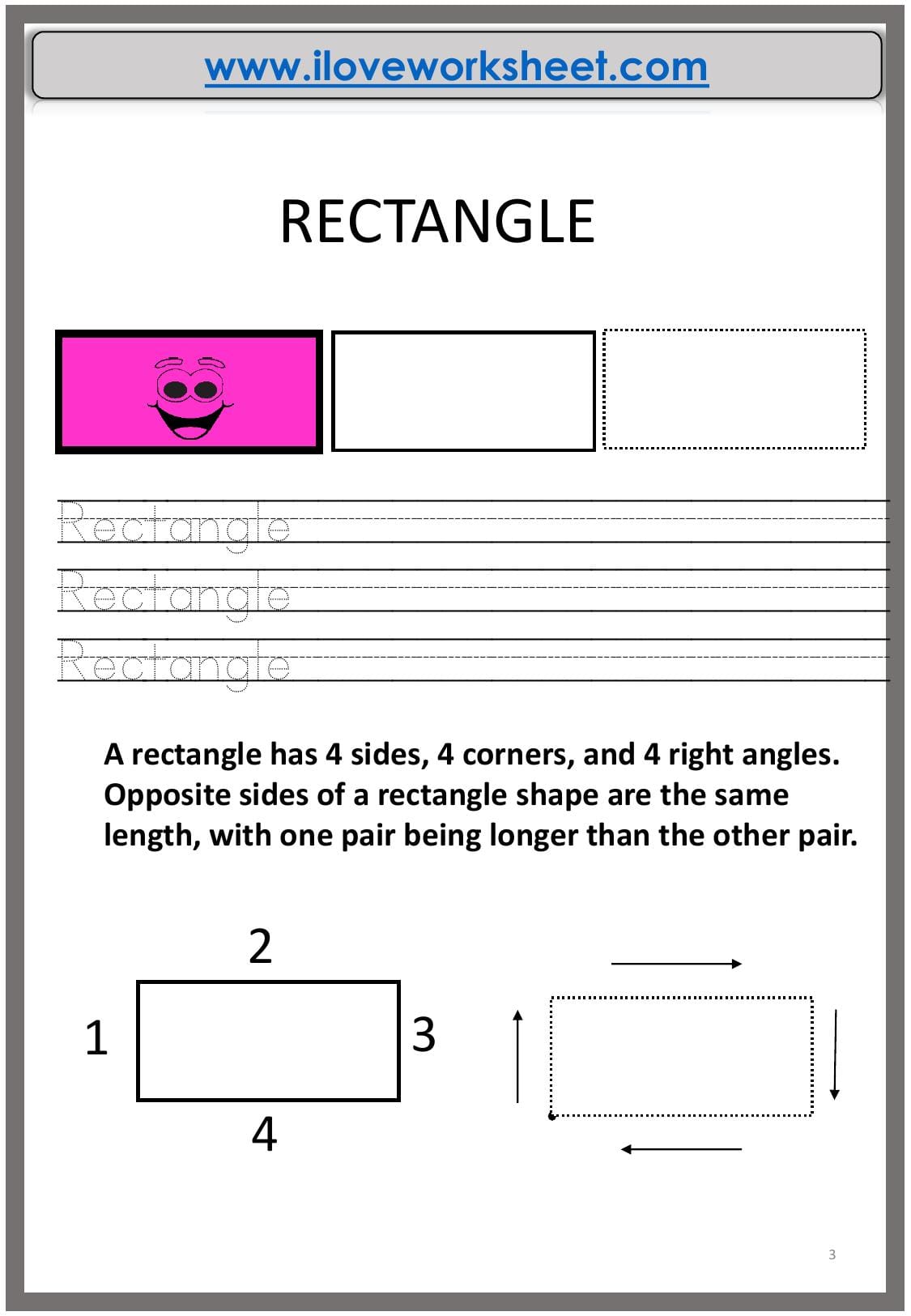
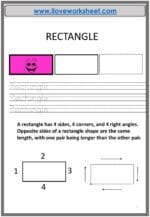
The rectangle is introduced with the description: “A rectangle has 4 sides, 4 corners, and 4 right angles. Opposite sides… are the same length, with one pair being longer than the other pair.”
This explanation helps children distinguish rectangles from squares. While both have four sides and four corners, rectangles have two long sides and two short sides. The worksheet includes multiple illustrations to reinforce this difference.
Children encounter rectangles daily — books, doors, screens, and tables often take this shape. Recognising rectangles helps children understand length, width, and comparison.
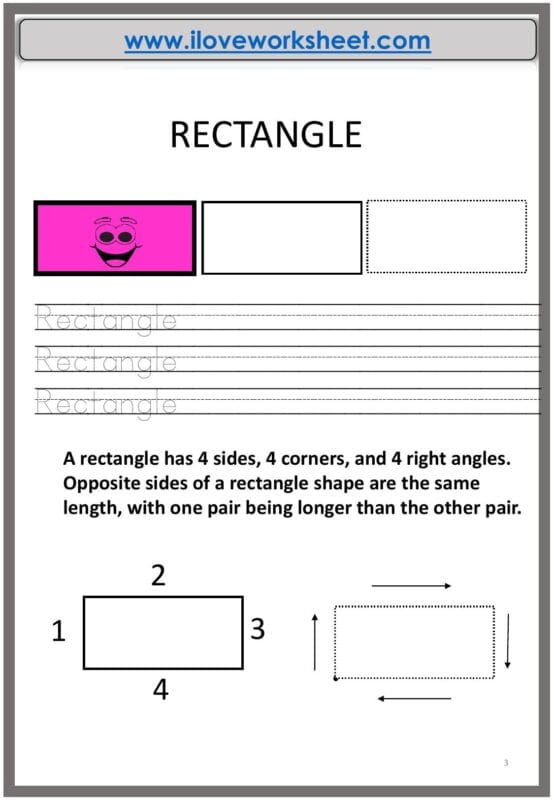
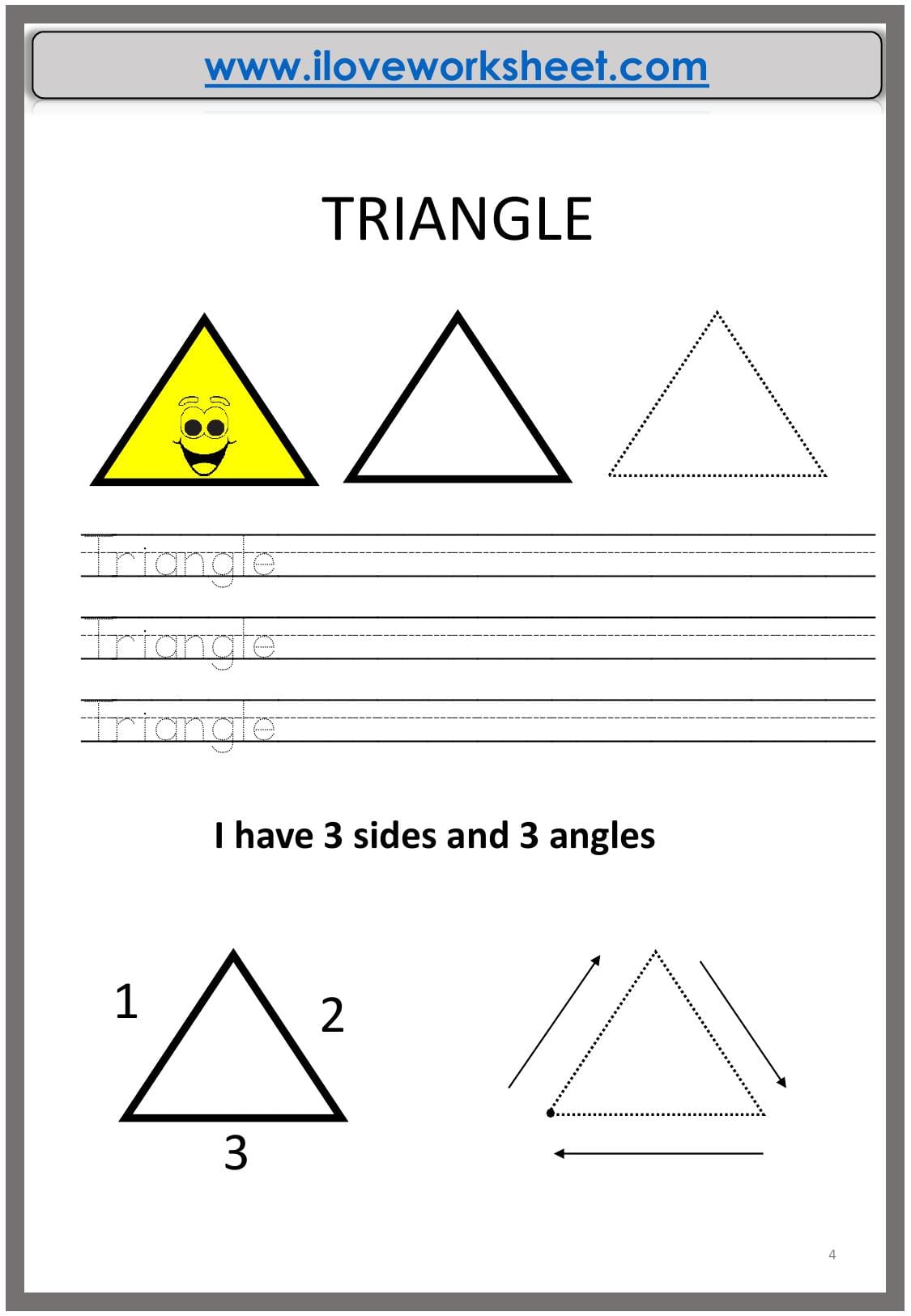
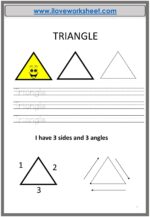
The triangle section includes the statement: “I have 3 sides and 3 angles.”
Triangles appear in roofs, road signs, and many geometric patterns. The worksheet shows different triangle orientations, helping children understand that a shape remains a triangle even when rotated.
Triangle activities include:
These tasks strengthen spatial awareness and shape recognition.
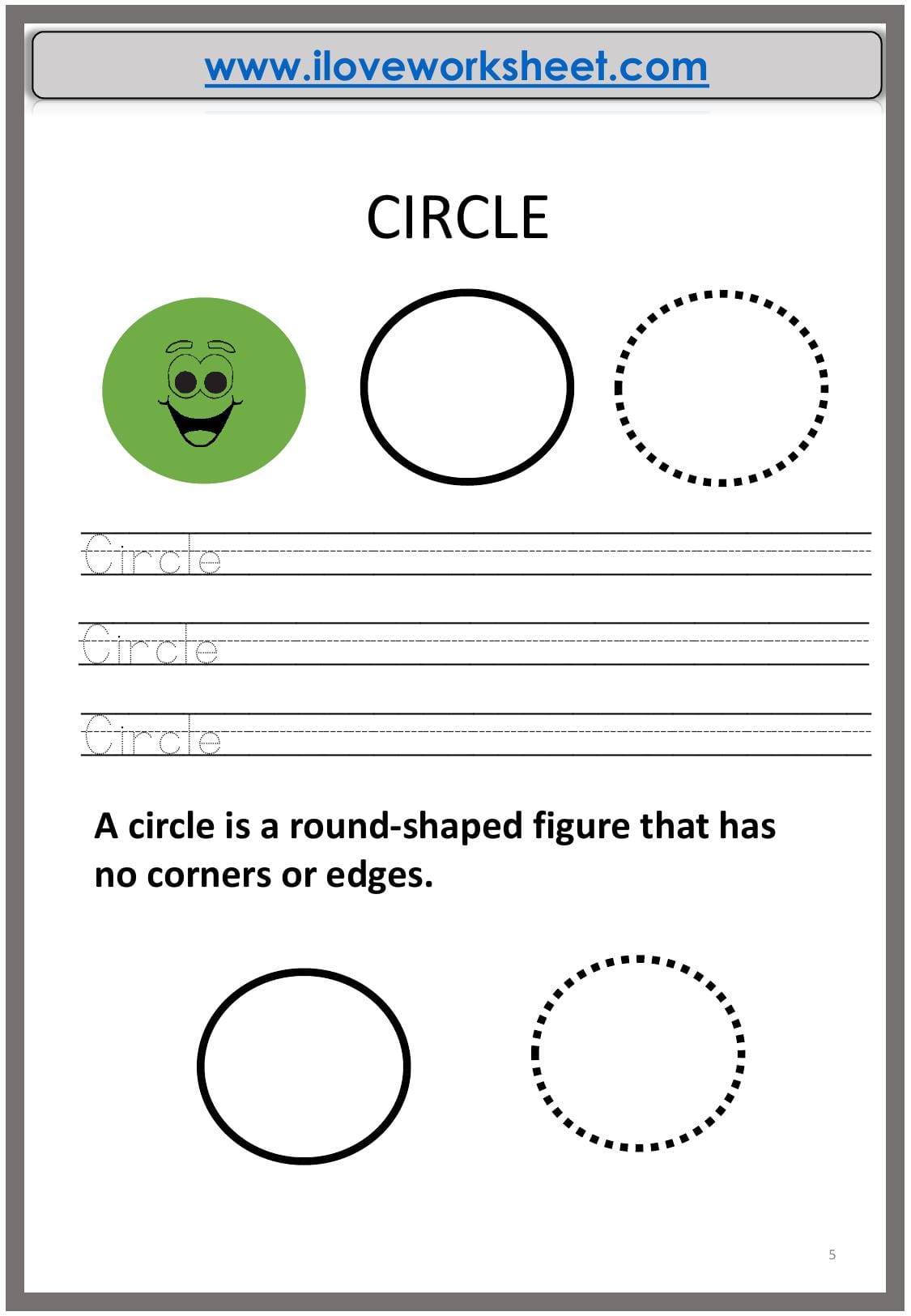
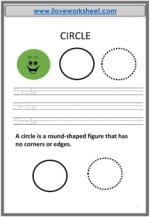
The circle is described as: “A circle is a round‑shaped figure that has no corners or edges.”
Circles are everywhere — clocks, wheels, coins, and plates. The worksheet includes multiple circle illustrations to help children recognise the smooth, continuous curve that defines this shape.
Circle‑based activities help children understand curves, symmetry, and rotation.
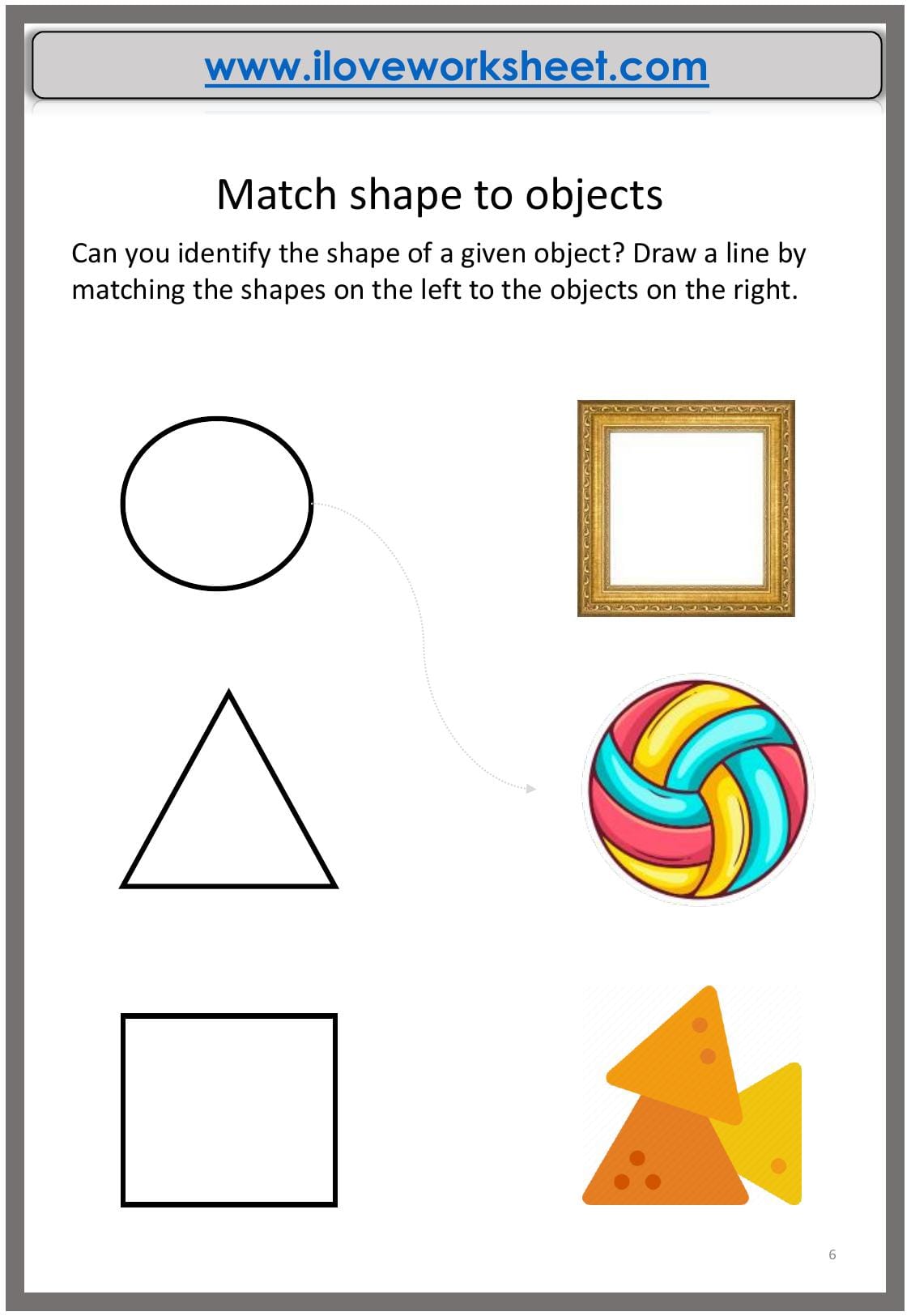
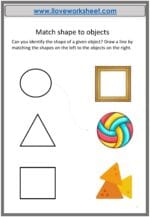
One of the worksheet activities asks children to match shapes to real‑world objects. The instruction reads: “Can you identify the shape of a given object? Draw a line by matching the shapes on the left to the objects on the right.”
This activity strengthens:
Children learn that shapes are not just abstract concepts but appear in everyday life.
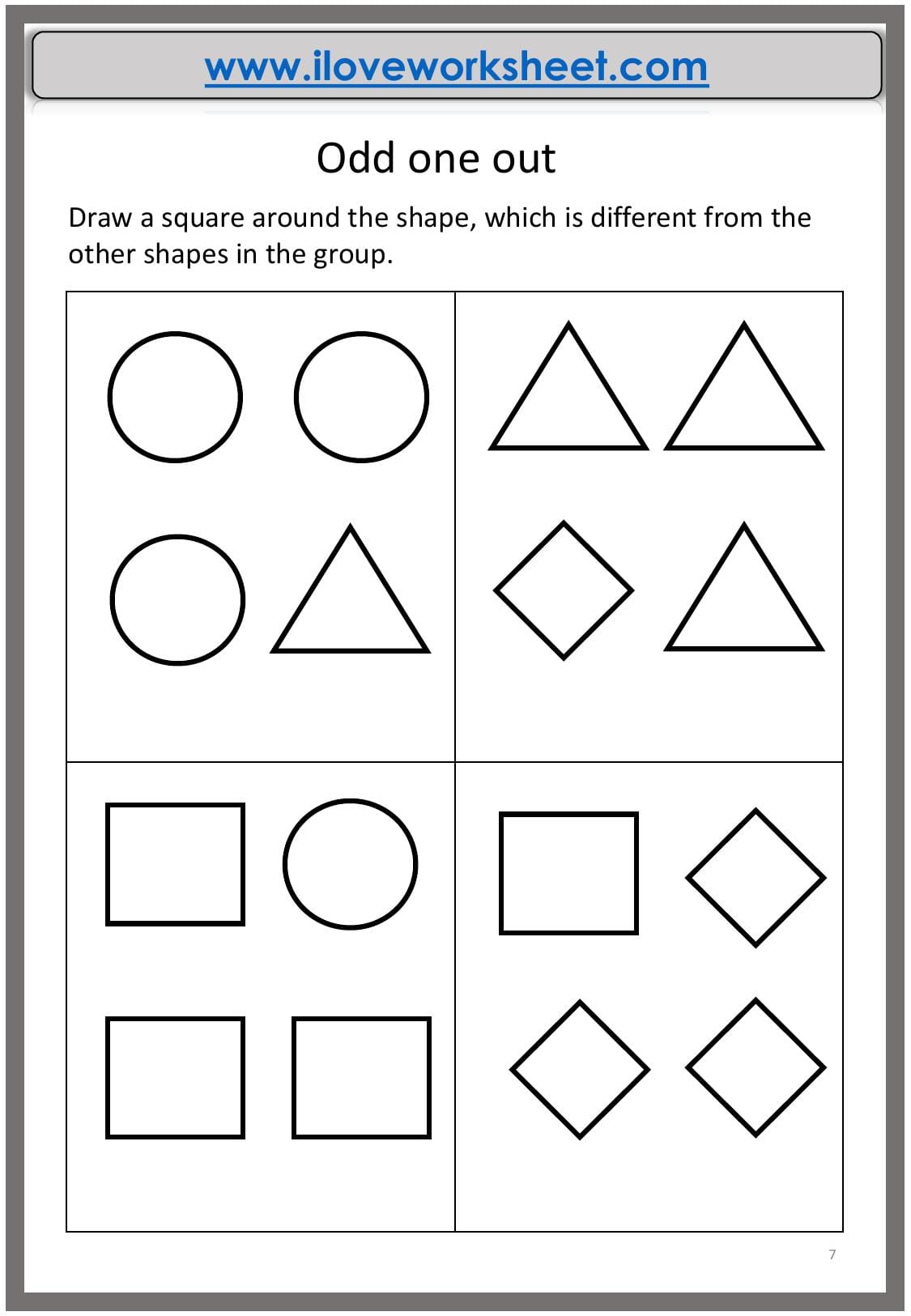
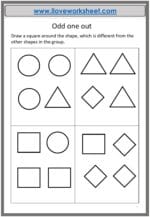
Another activity asks children to find the shape that does not belong in a group. The instruction says: “Draw a square around the shape, which is different from the other shapes in the group.”
This task develops:
Spotting differences helps children understand shape properties more deeply.
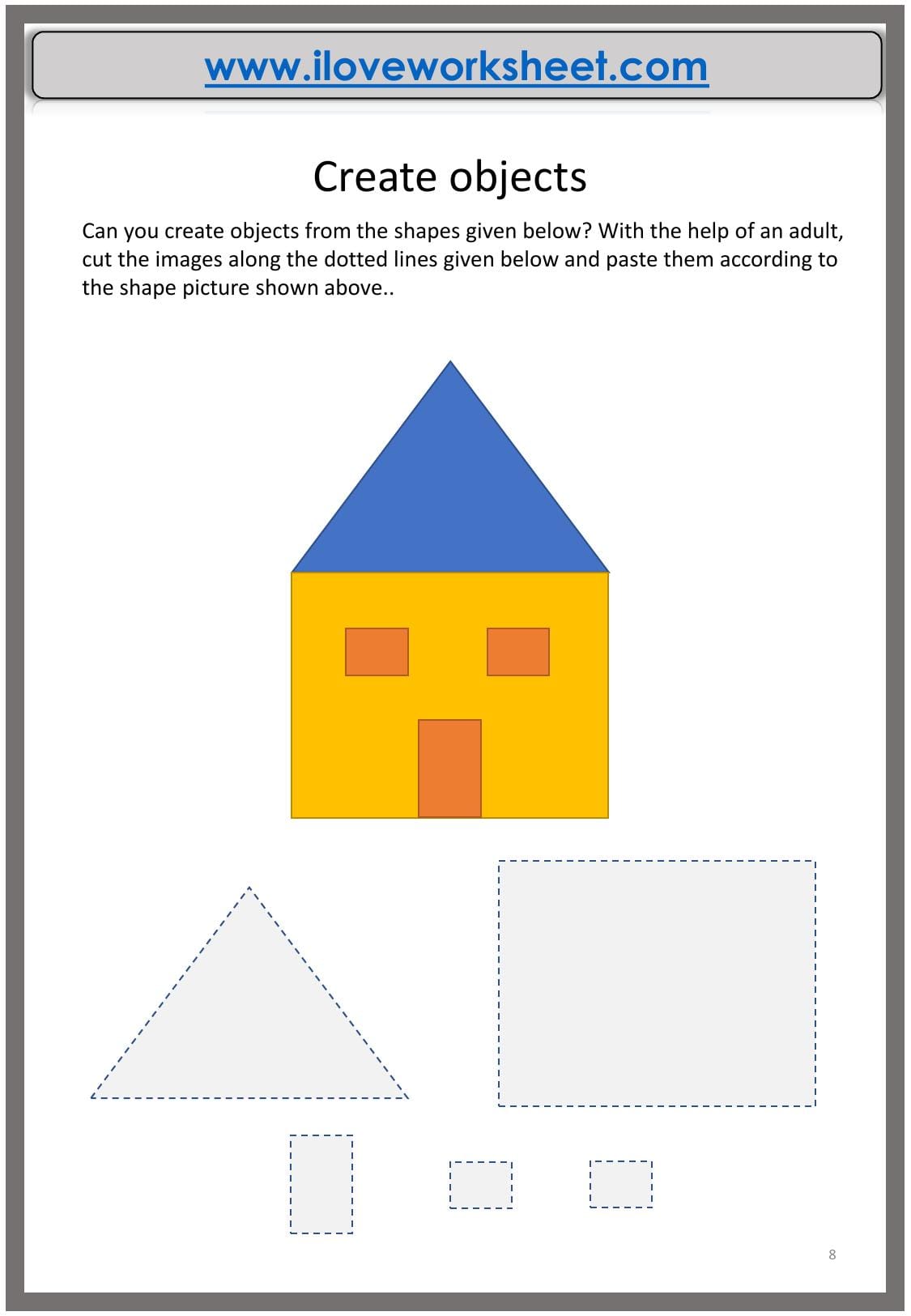
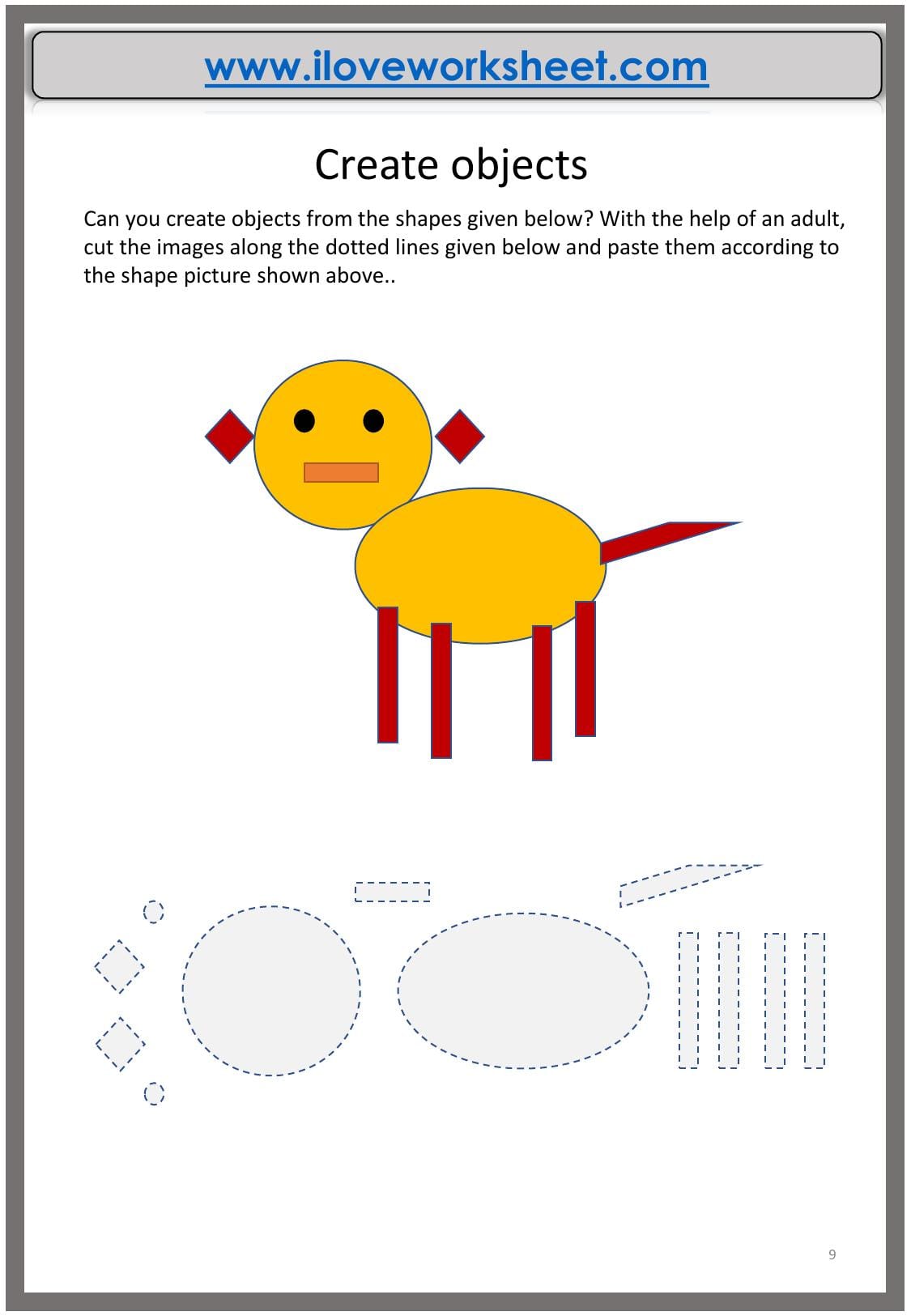
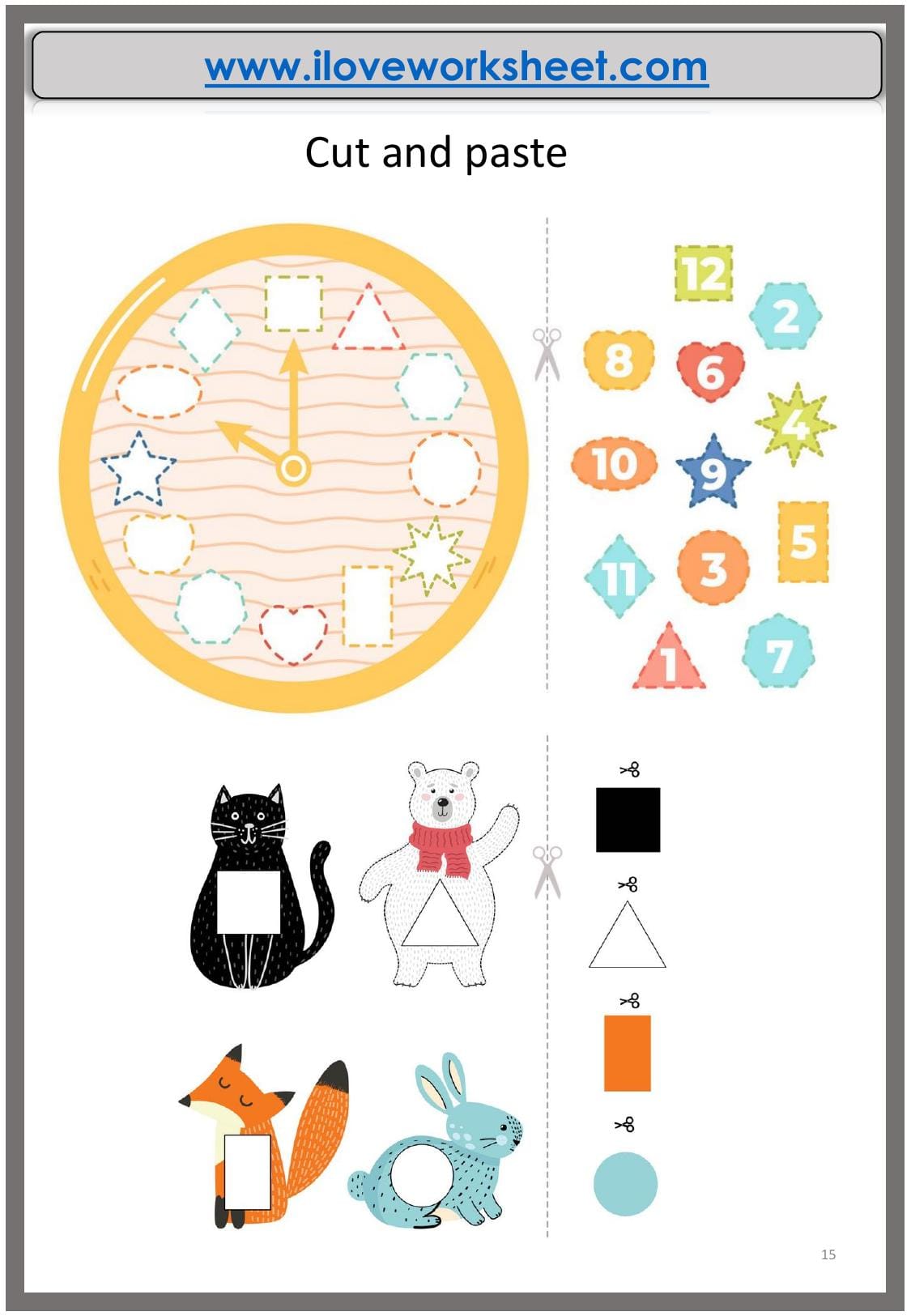
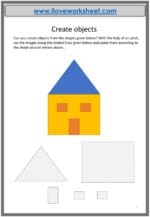
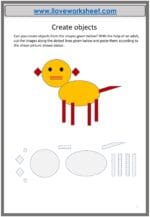
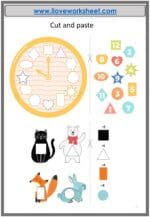
The worksheet includes cut‑and‑paste activities where children use basic shapes to build objects. The instruction reads: “Can you create objects from the shapes given below? With the help of an adult, cut the images along the dotted lines… and paste them according to the shape picture shown above.”
This hands‑on activity supports:
Children learn that shapes are building blocks for more complex images.
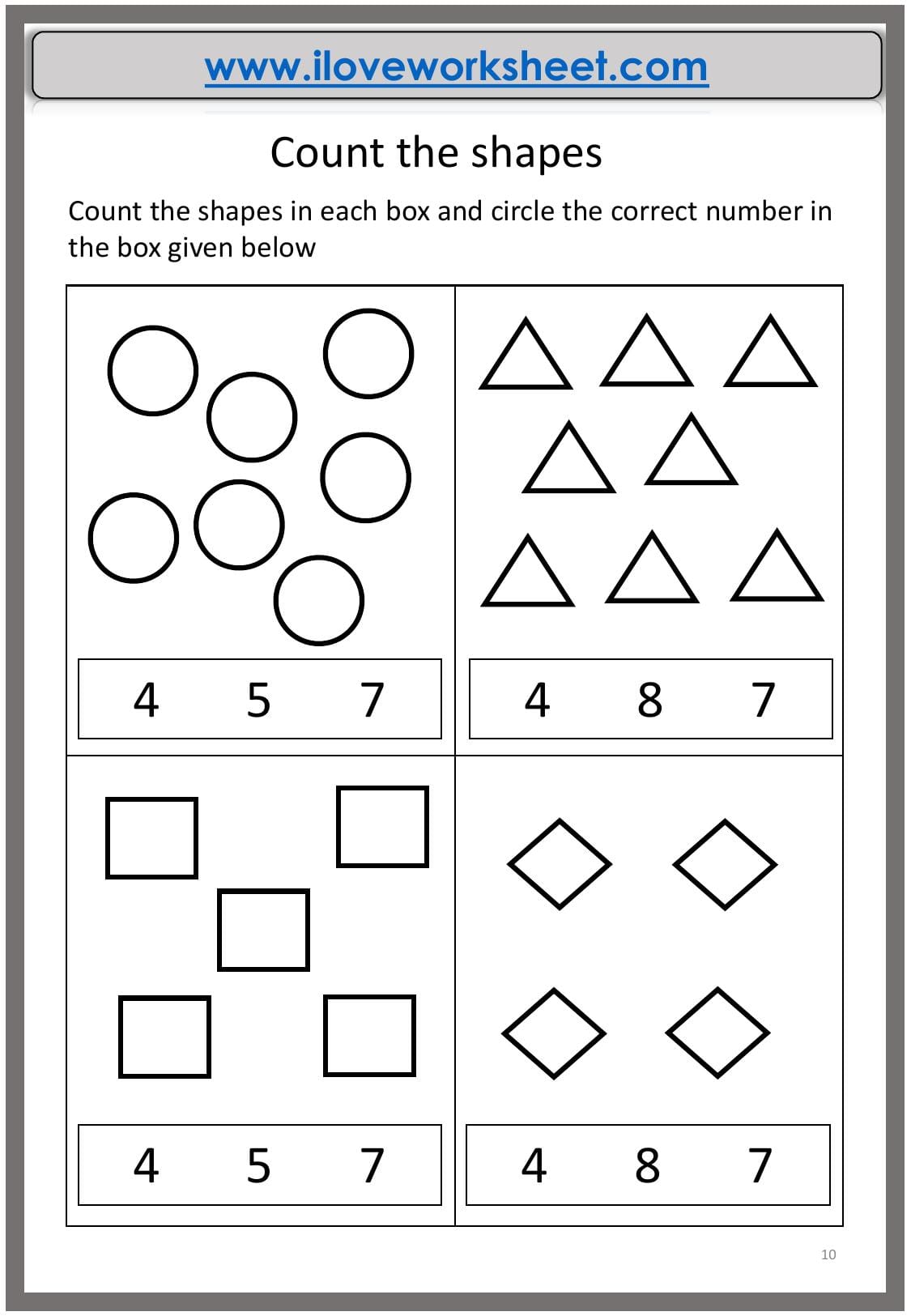
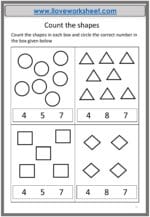
Another section focuses on counting shapes. The instruction states: “Count the shapes in each box and circle the correct number.”
This activity blends early math skills with shape recognition. Children practice:
The worksheet includes multiple boxes with different shapes, encouraging repeated practice.
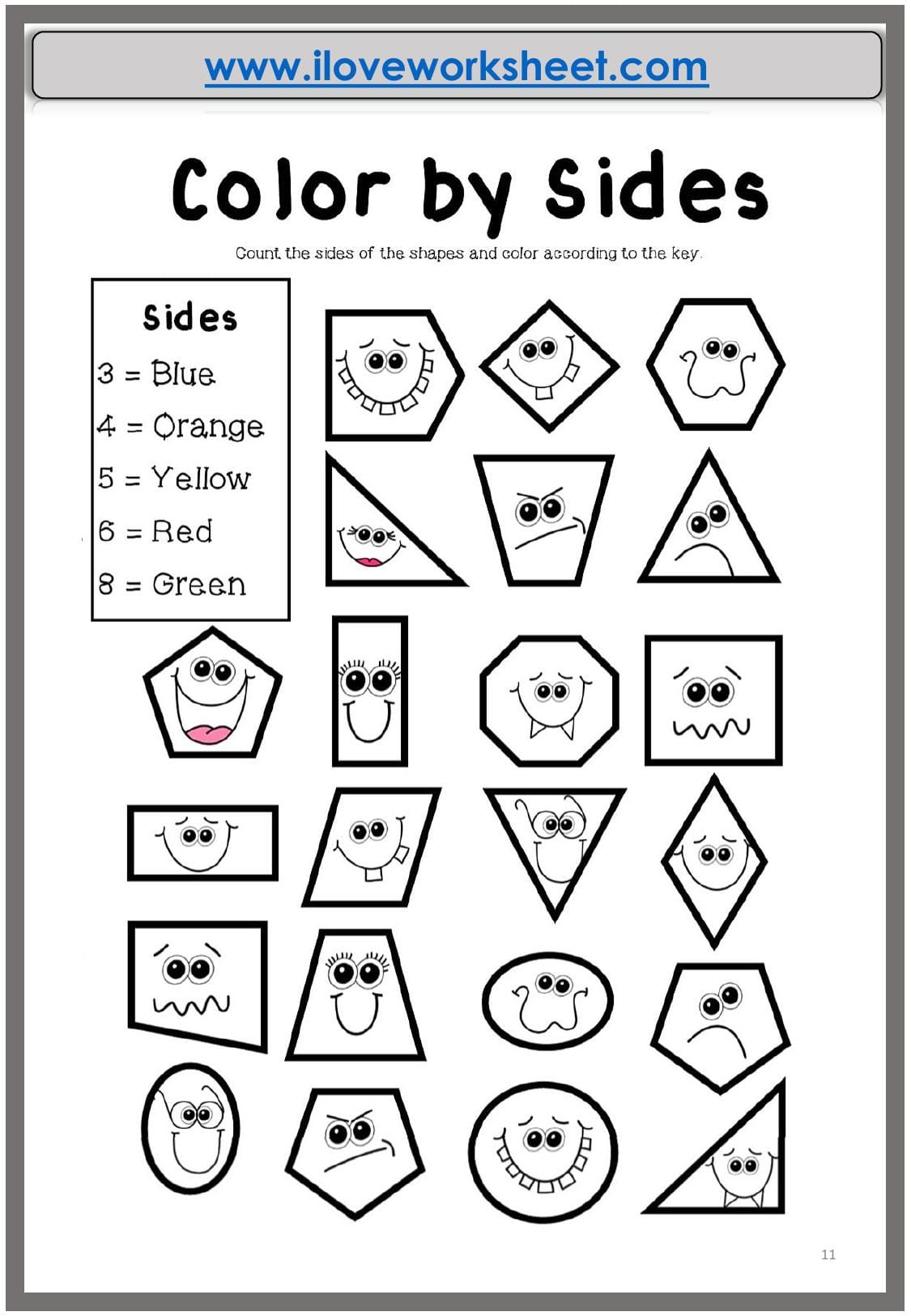
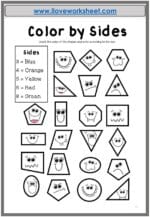
A colourful activity asks children to count the sides of each shape and colour them according to a key:
This task helps children connect numbers with shapes while reinforcing counting and colour recognition.
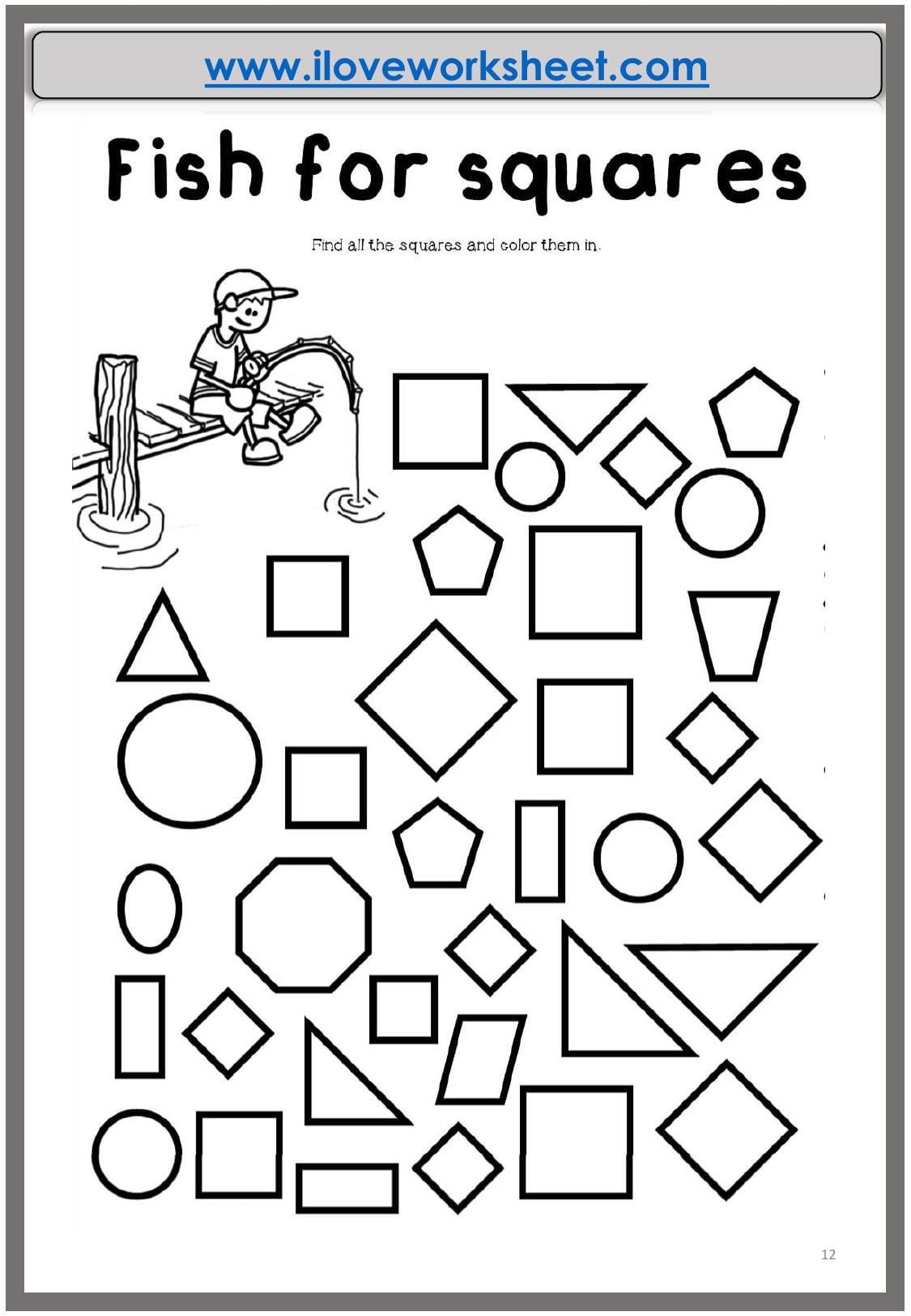
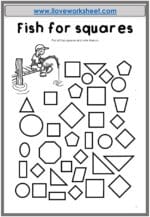
Another engaging activity instructs children to find all the squares and colour them. This reinforces shape identification in a fun, visual way.
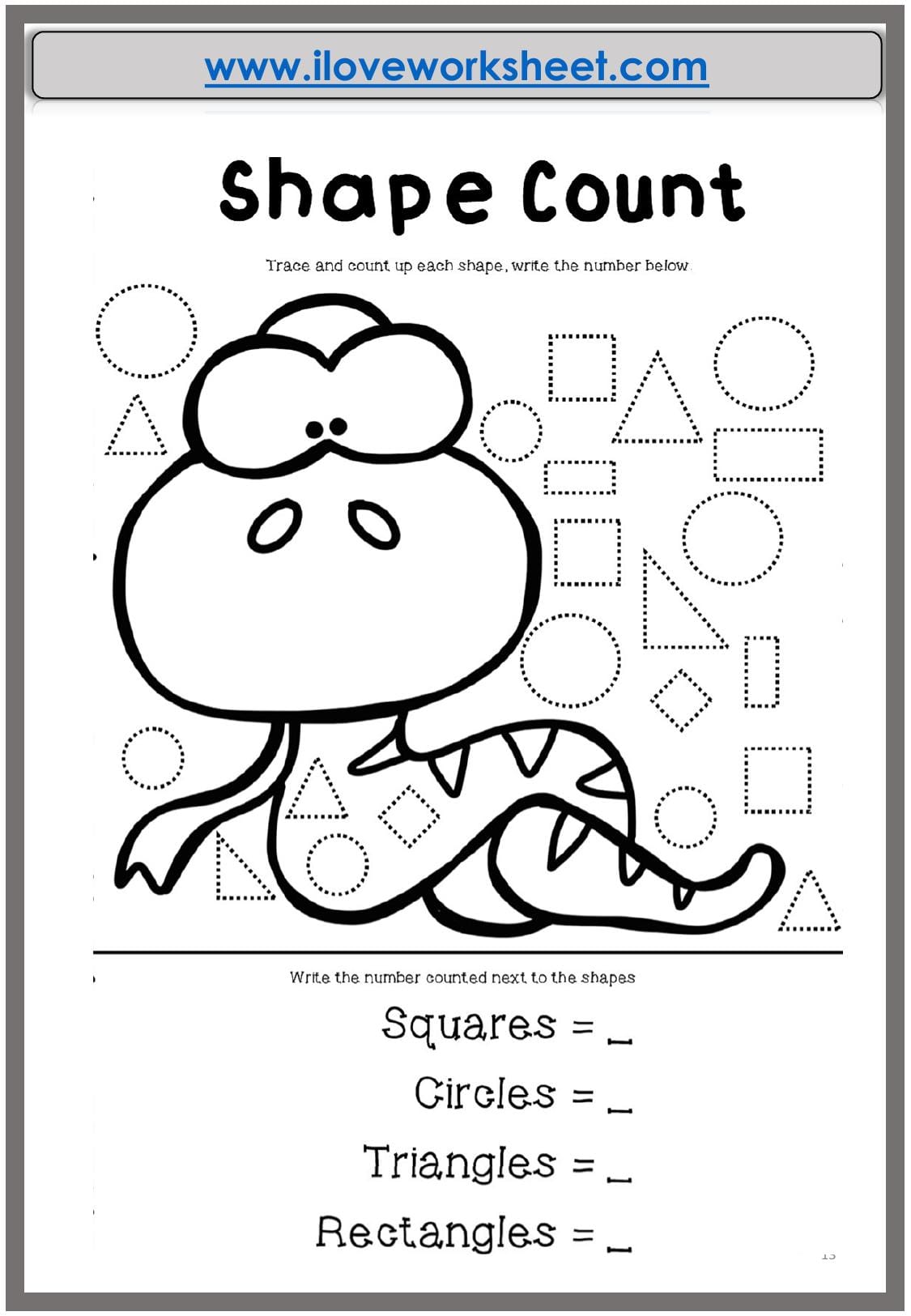
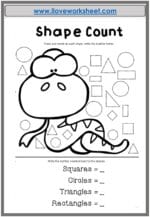
The worksheet includes a section where children trace shapes and write the number of each shape they counted. The instruction reads: “Write the number counted next to the shapes.”
This activity supports:
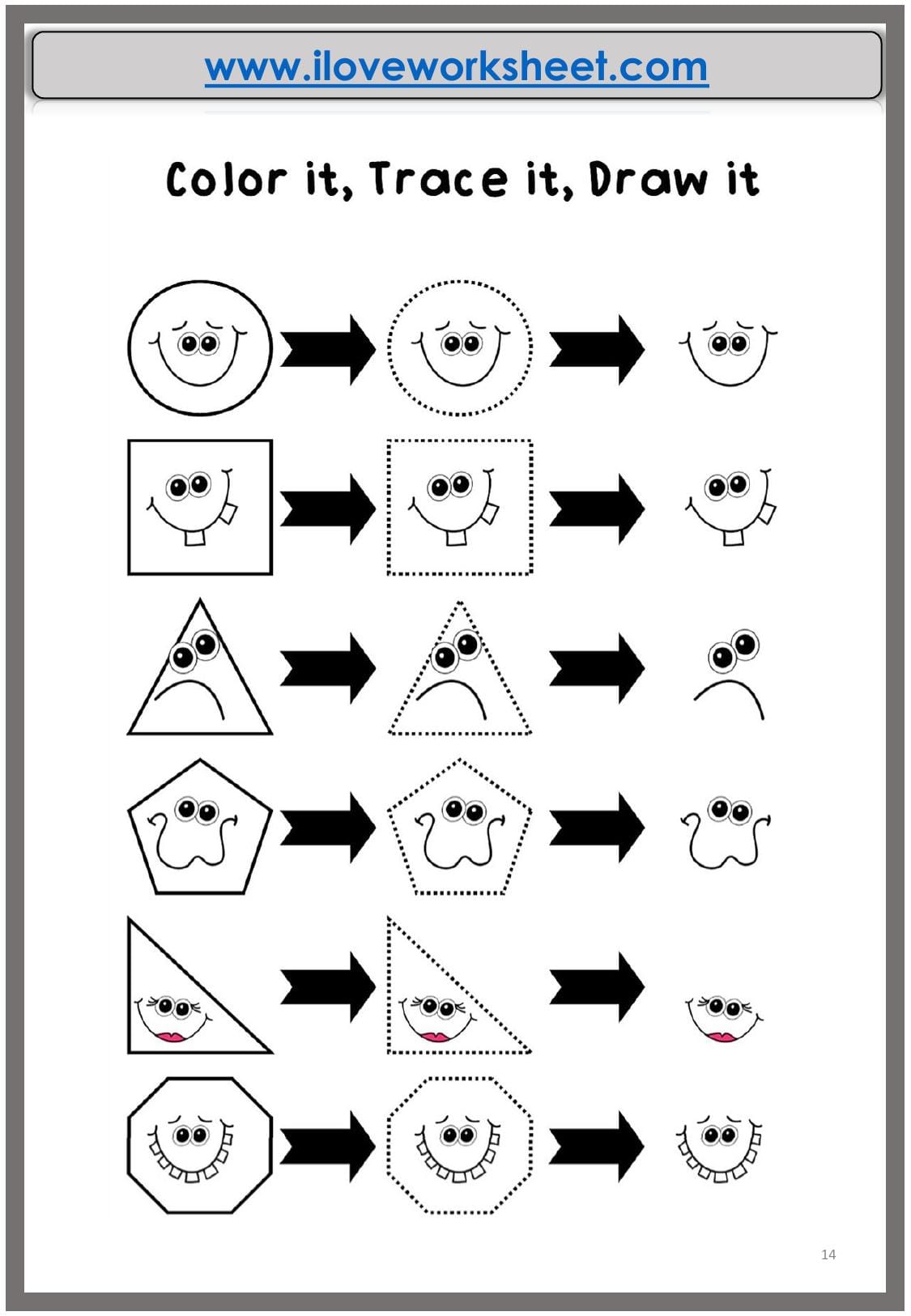
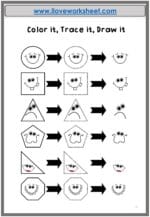
A creative section encourages children to colour shapes, trace them, and draw their own versions. This reinforces shape memory and improves fine motor control.
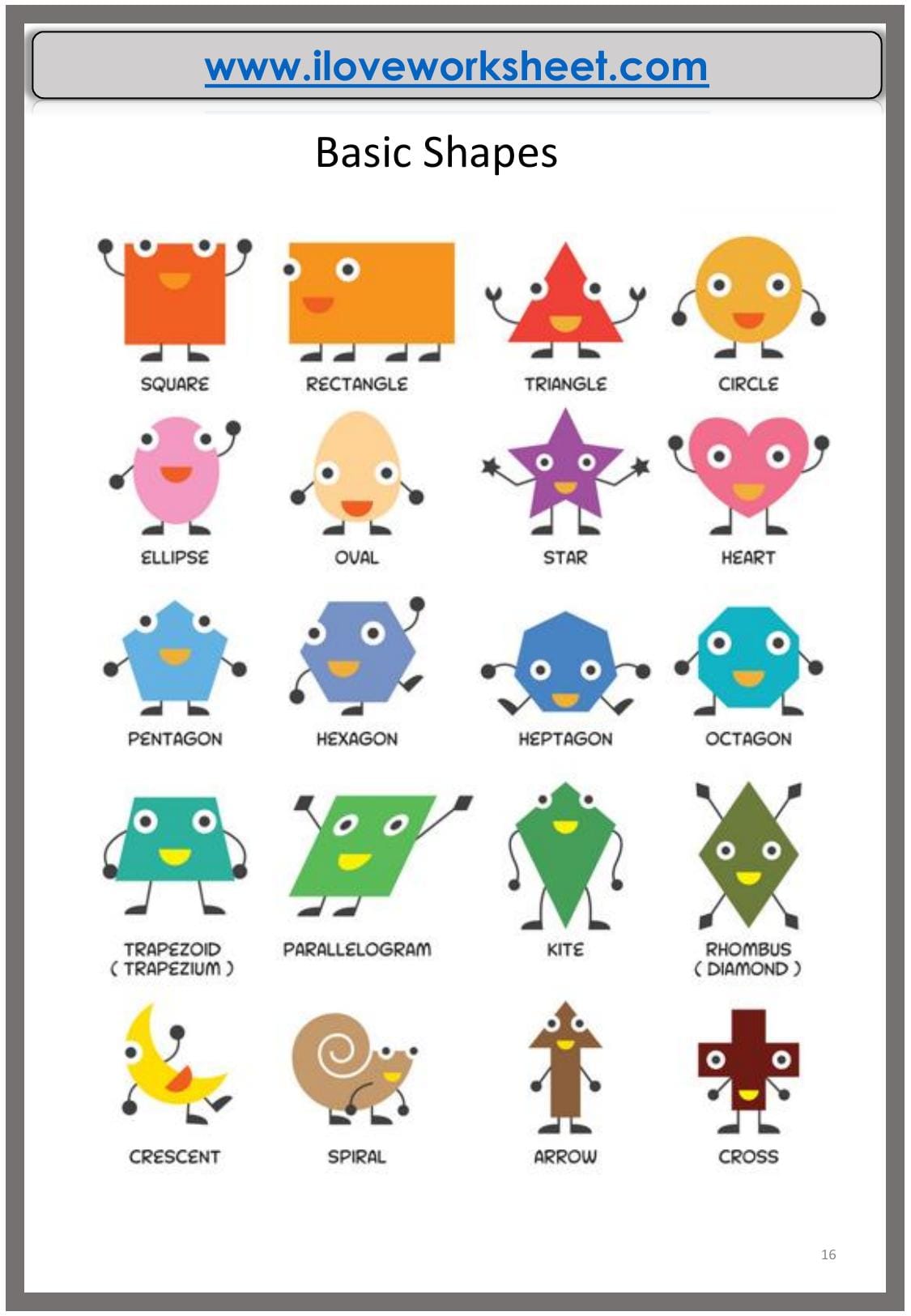
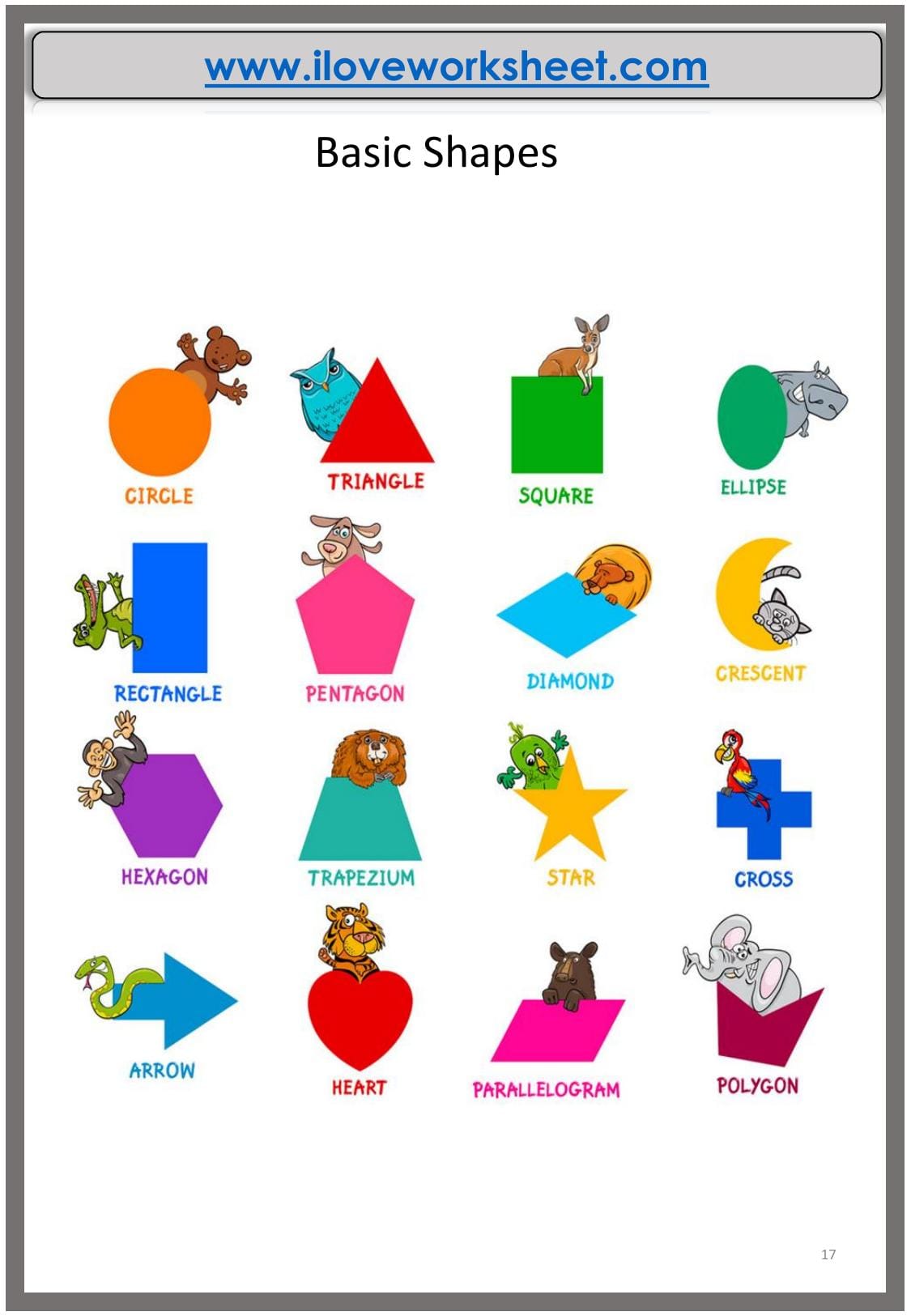
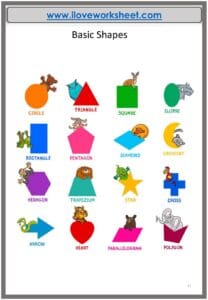
Toward the end, the worksheet introduces more complex shapes such as:
This expanded list helps children progress beyond basic shapes and prepares them for more advanced geometry.
The activities in the worksheet strengthen several key skills:
Children learn to identify shapes quickly and accurately.
Understanding sides, corners, and angles builds early geometry skills.
Tracing, colouring, and cutting improve hand control.
Activities like matching and odd‑one‑out encourage logical thinking.
Counting sides and shapes prepares children for number concepts.