

Single-digit addition is one of the most essential building blocks in early mathematics. It forms the foundation for every future math skill—double‑digit addition, subtraction, multiplication, division, fractions, and even algebra. When children learn to add numbers from 0 to 9 with confidence, they develop number sense, mental math fluency, and problem‑solving skills that support lifelong learning.
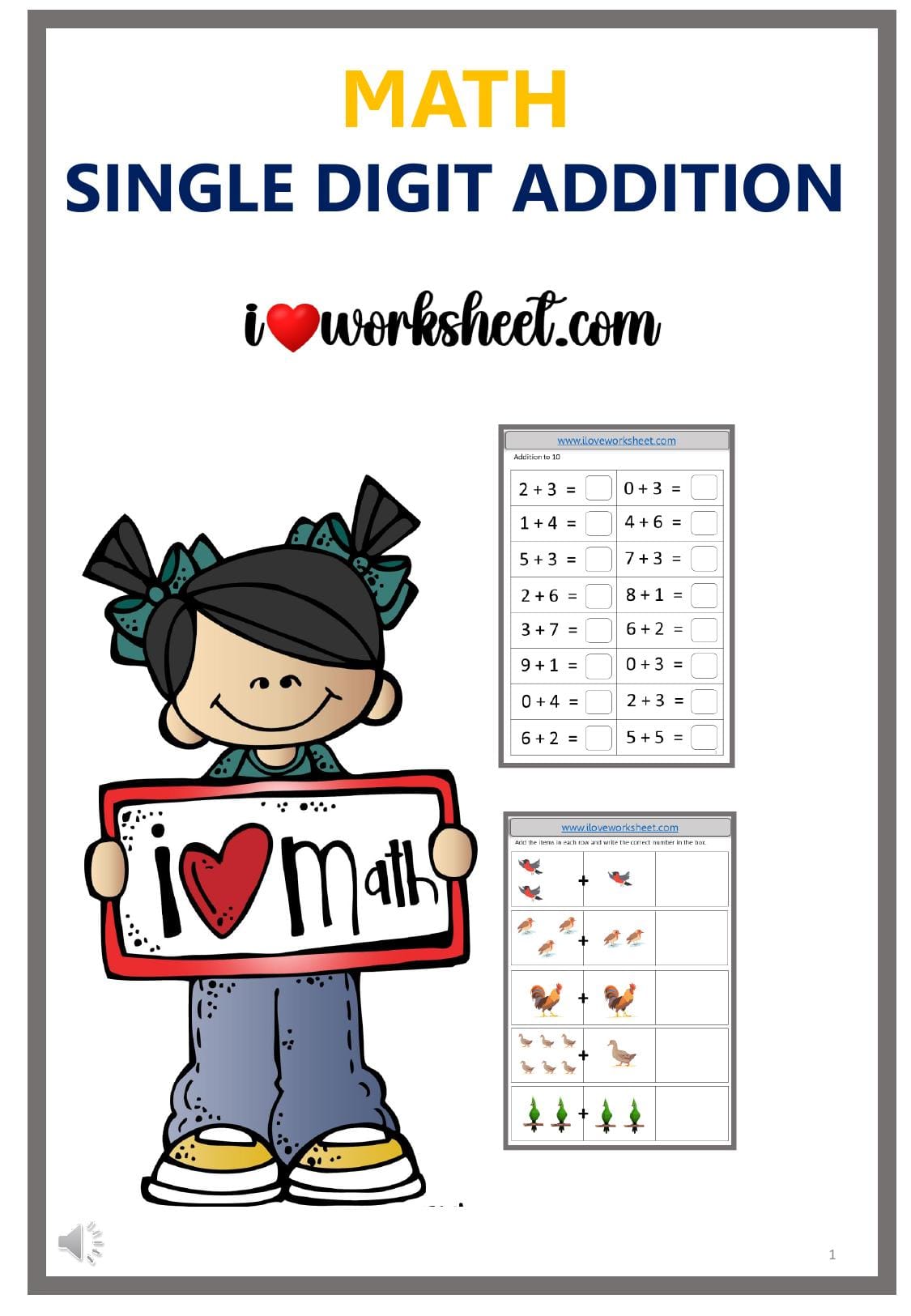
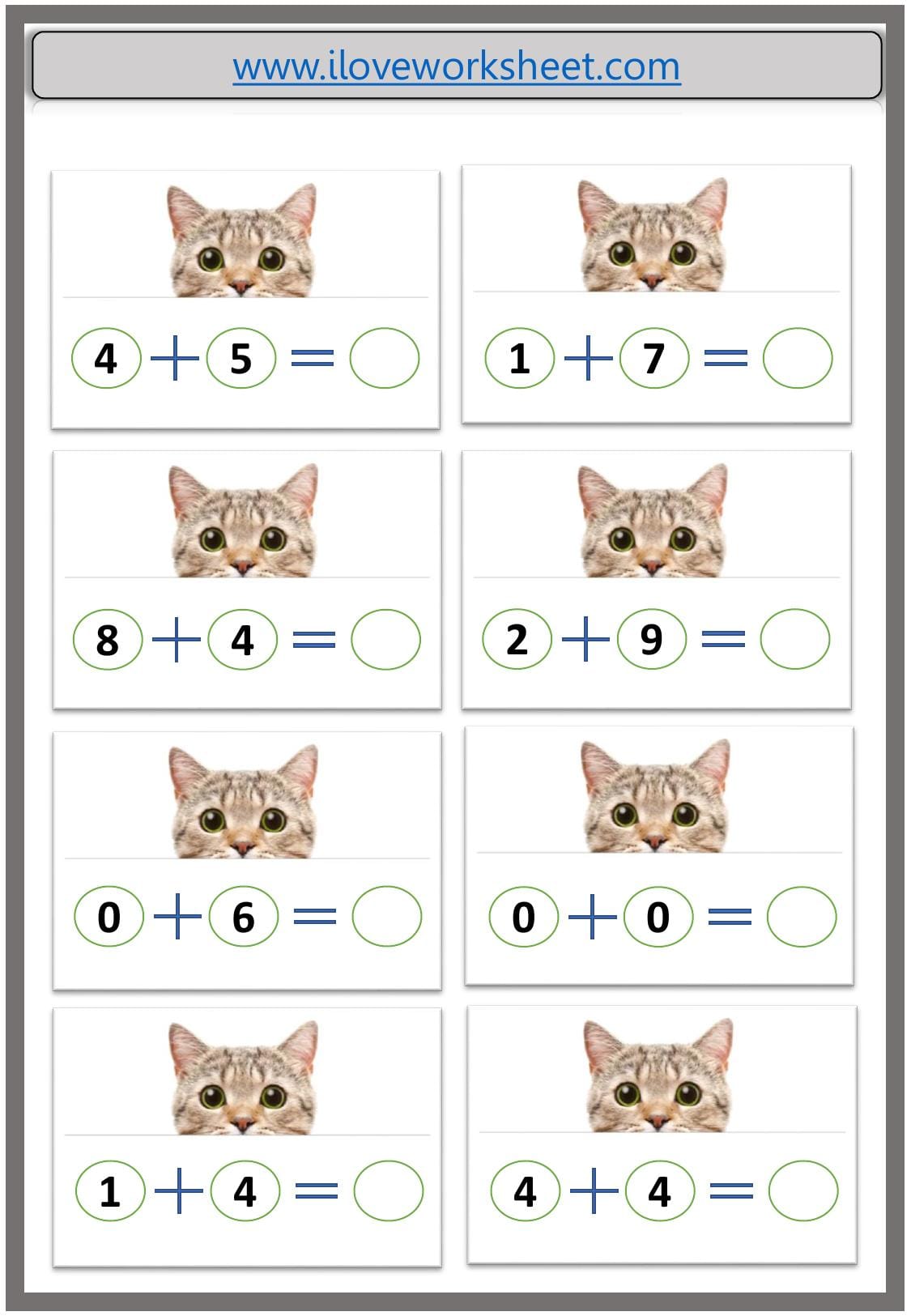
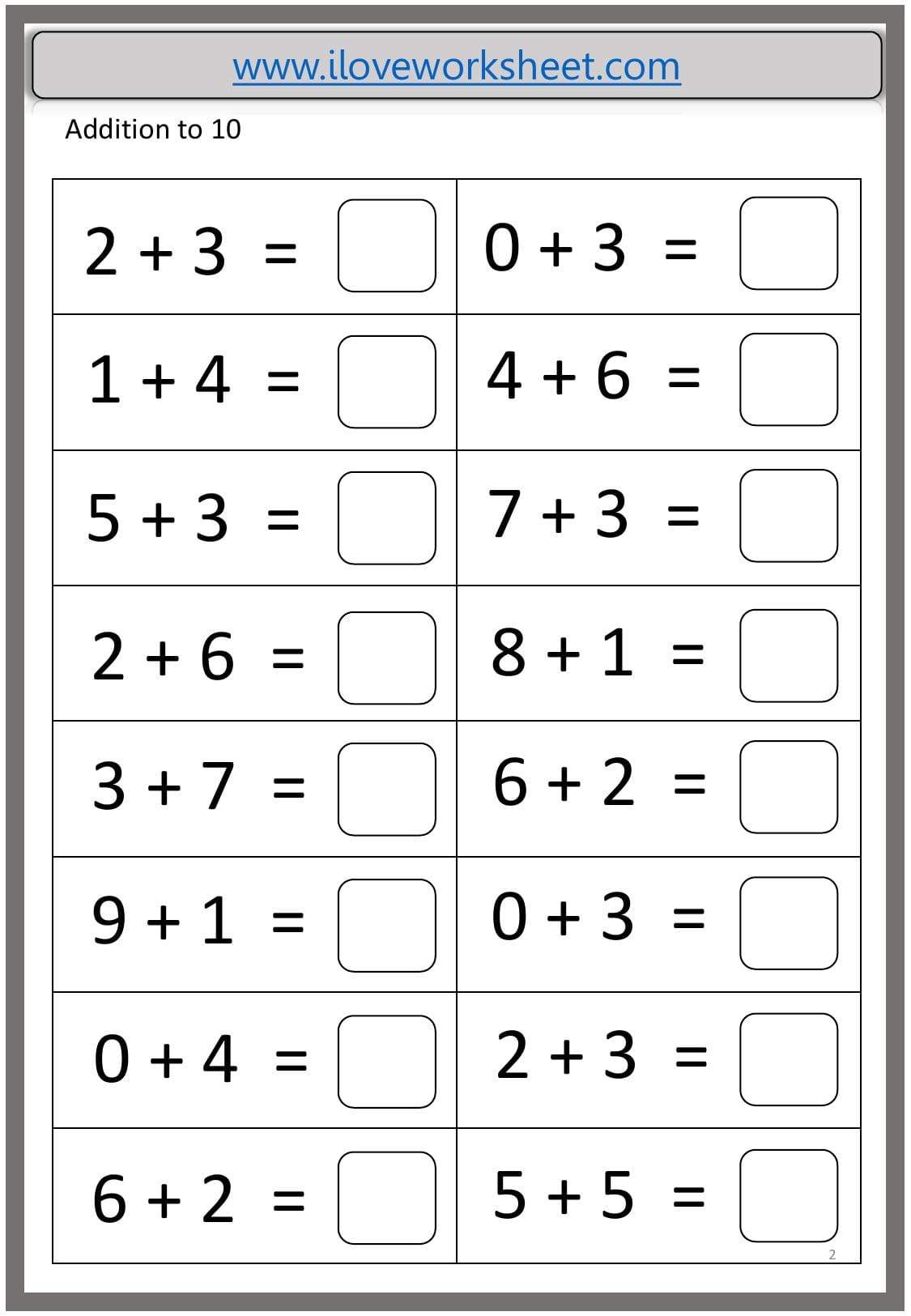
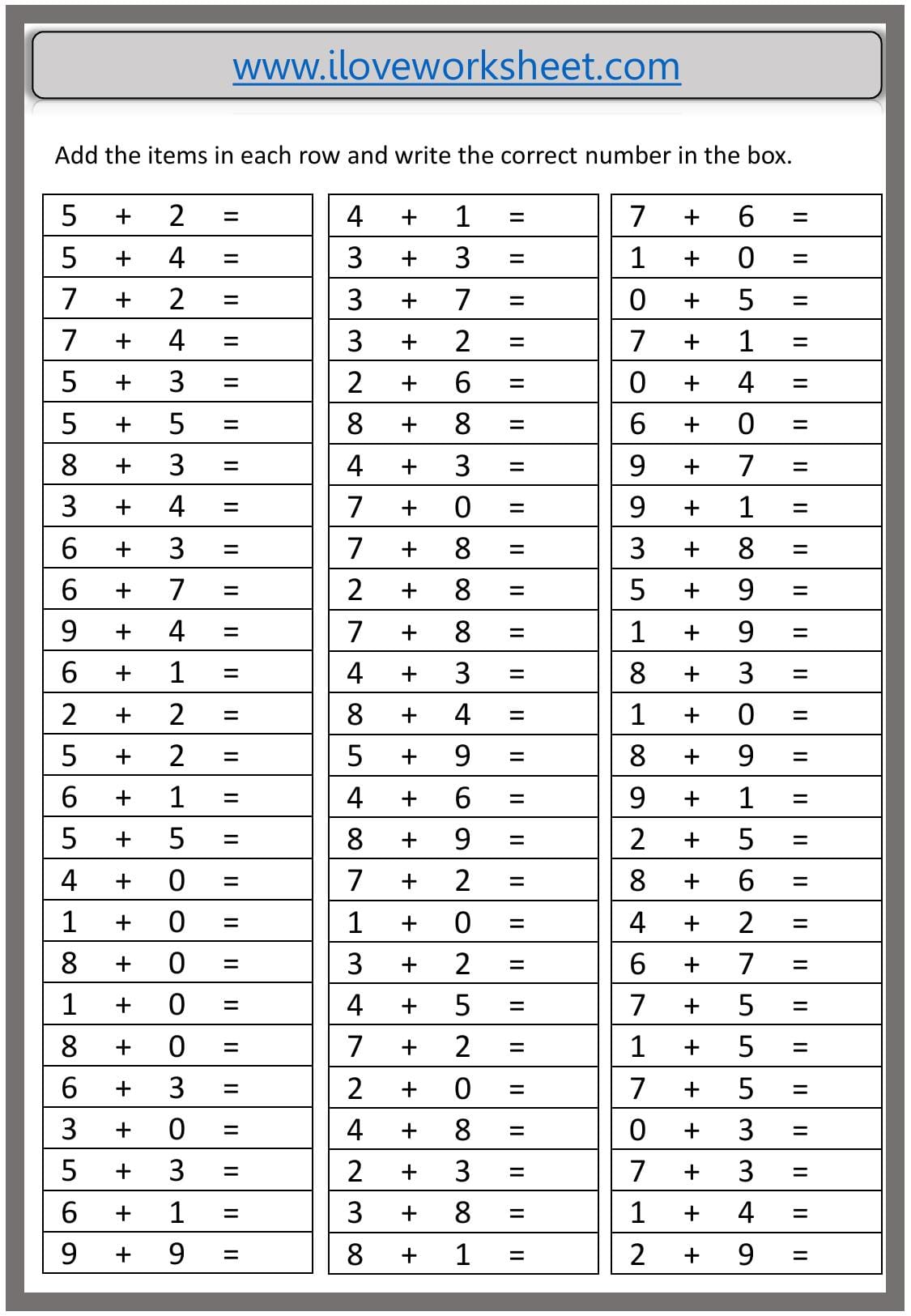
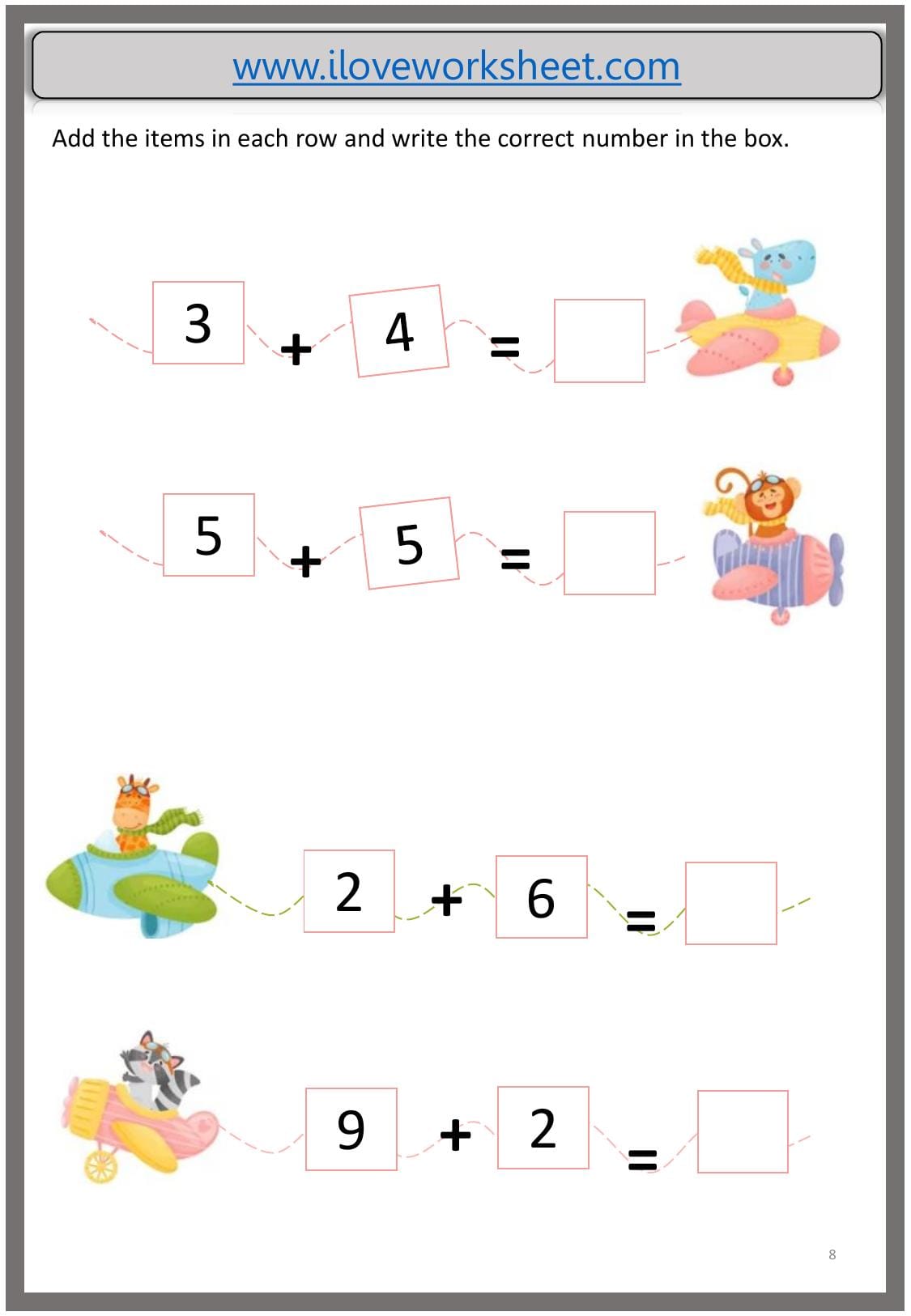
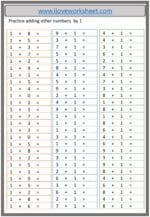
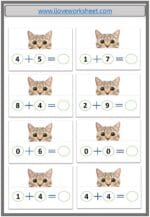
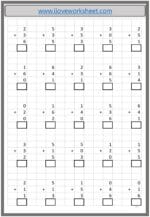
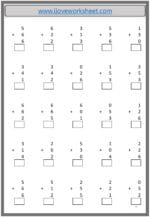
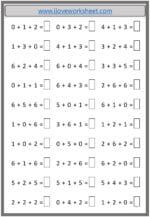
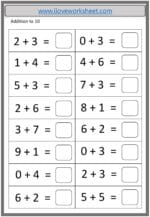
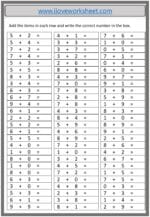
The Single-Digit Addition worksheet you provided includes a wide range of exercises designed to help young learners practice adding numbers up to 10. For example, the worksheet begins with simple equations such as “2 + 3 = ☐” and “0 + 3 = ☐”. These early problems introduce children to the idea of combining two quantities to make a new total.
In this worksheet, we’ll explore why single-digit addition matters, how worksheets support learning, and the best strategies to help children master basic addition skills with confidence.
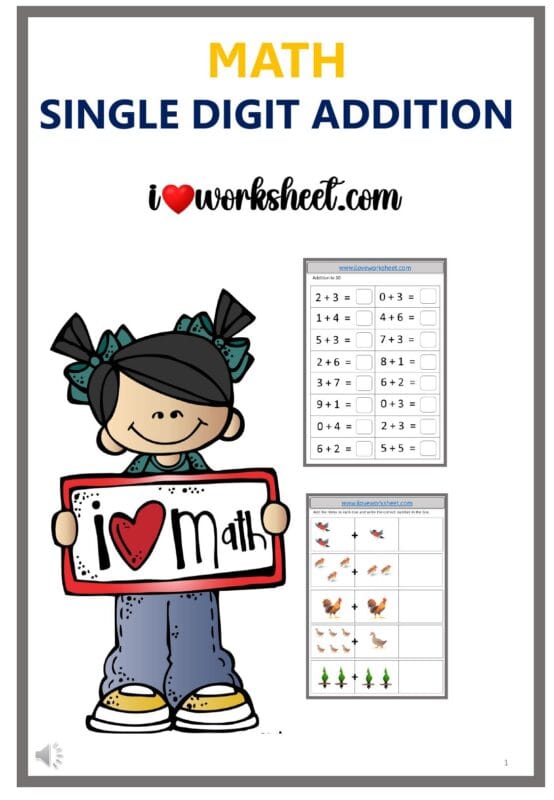
Single-digit addition is more than just memorizing facts. It teaches children how numbers work together. When a child learns that 5 + 3 = 8, they are not only solving a math problem—they are building an understanding of quantity, relationships, and patterns.
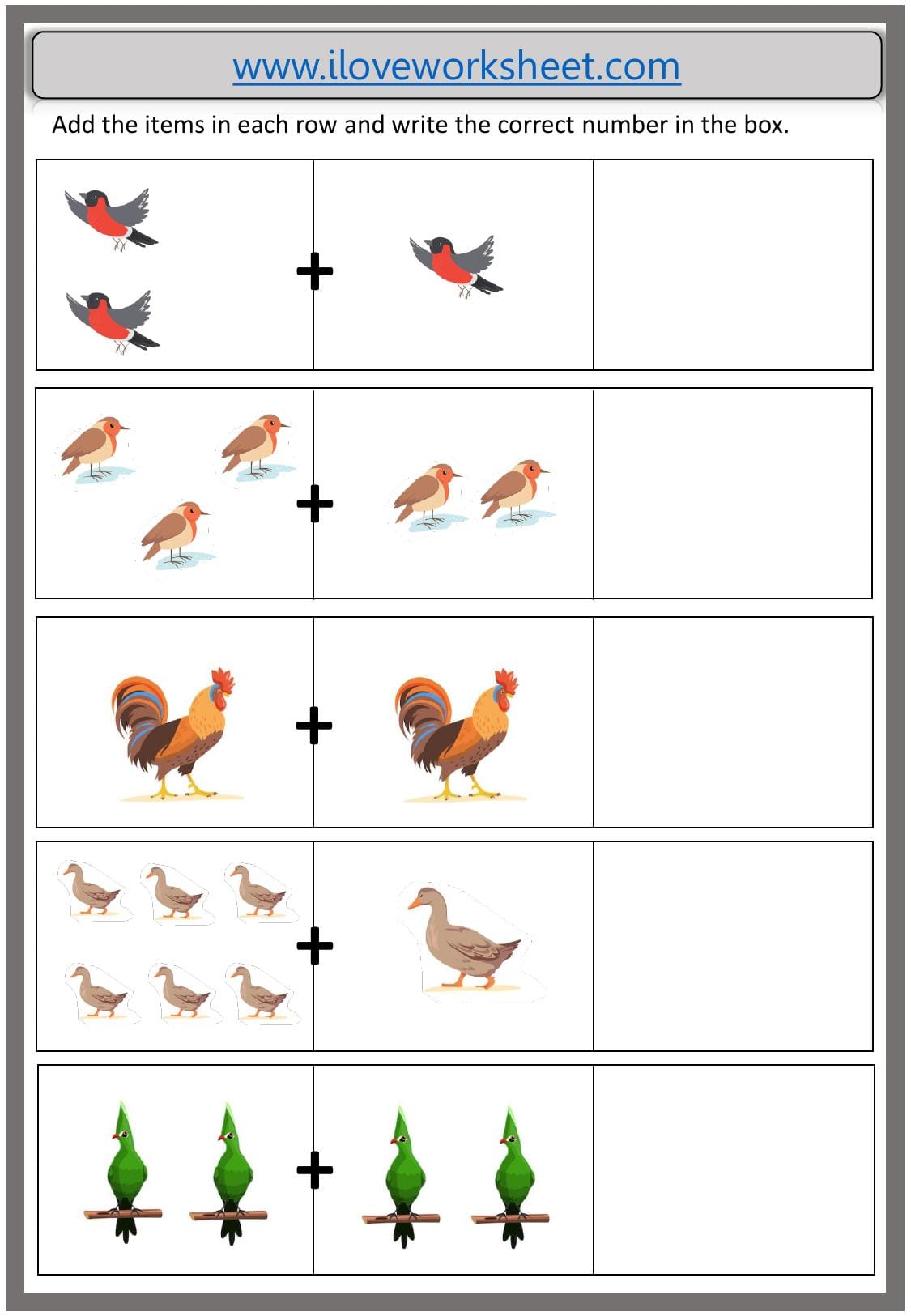
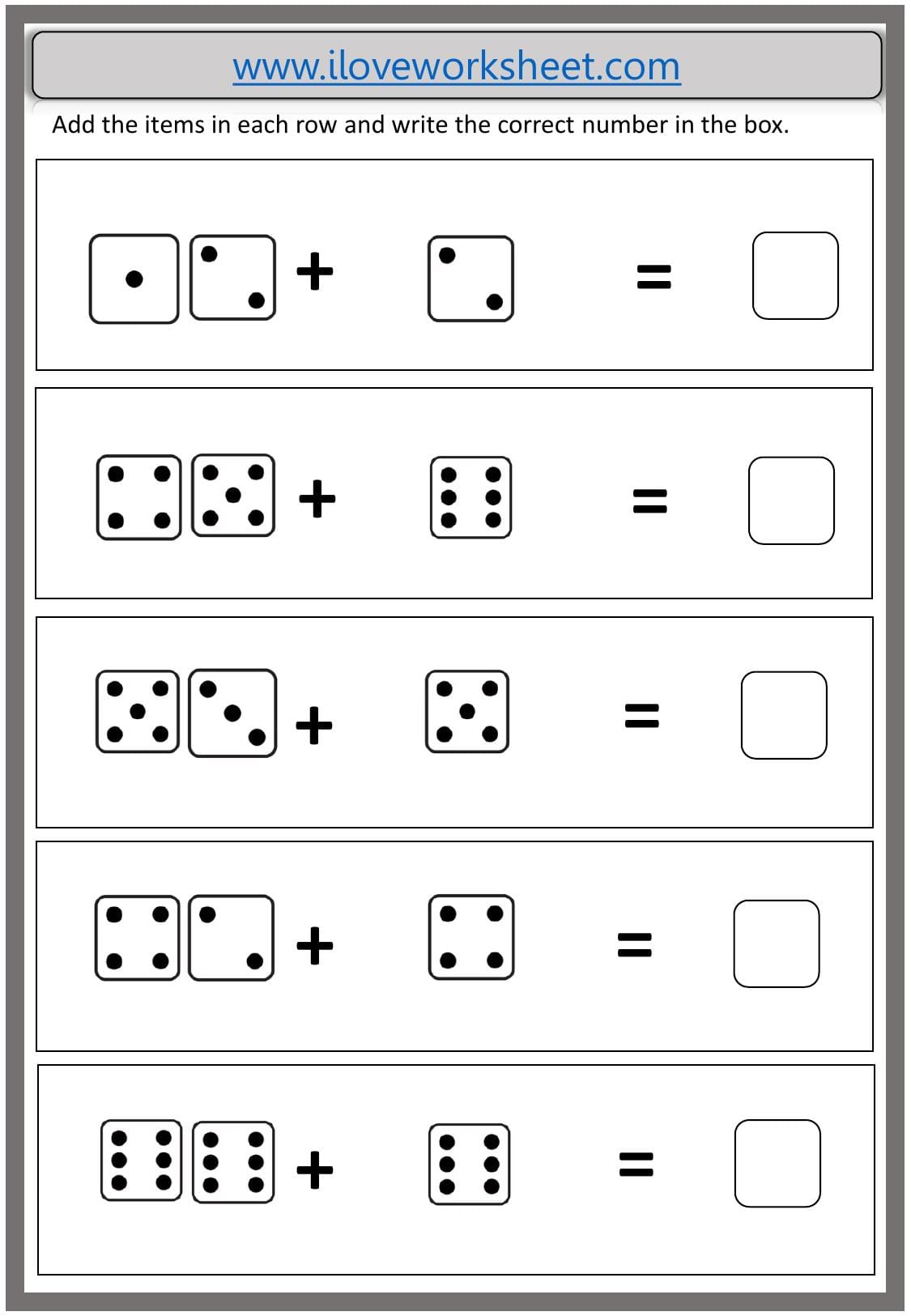
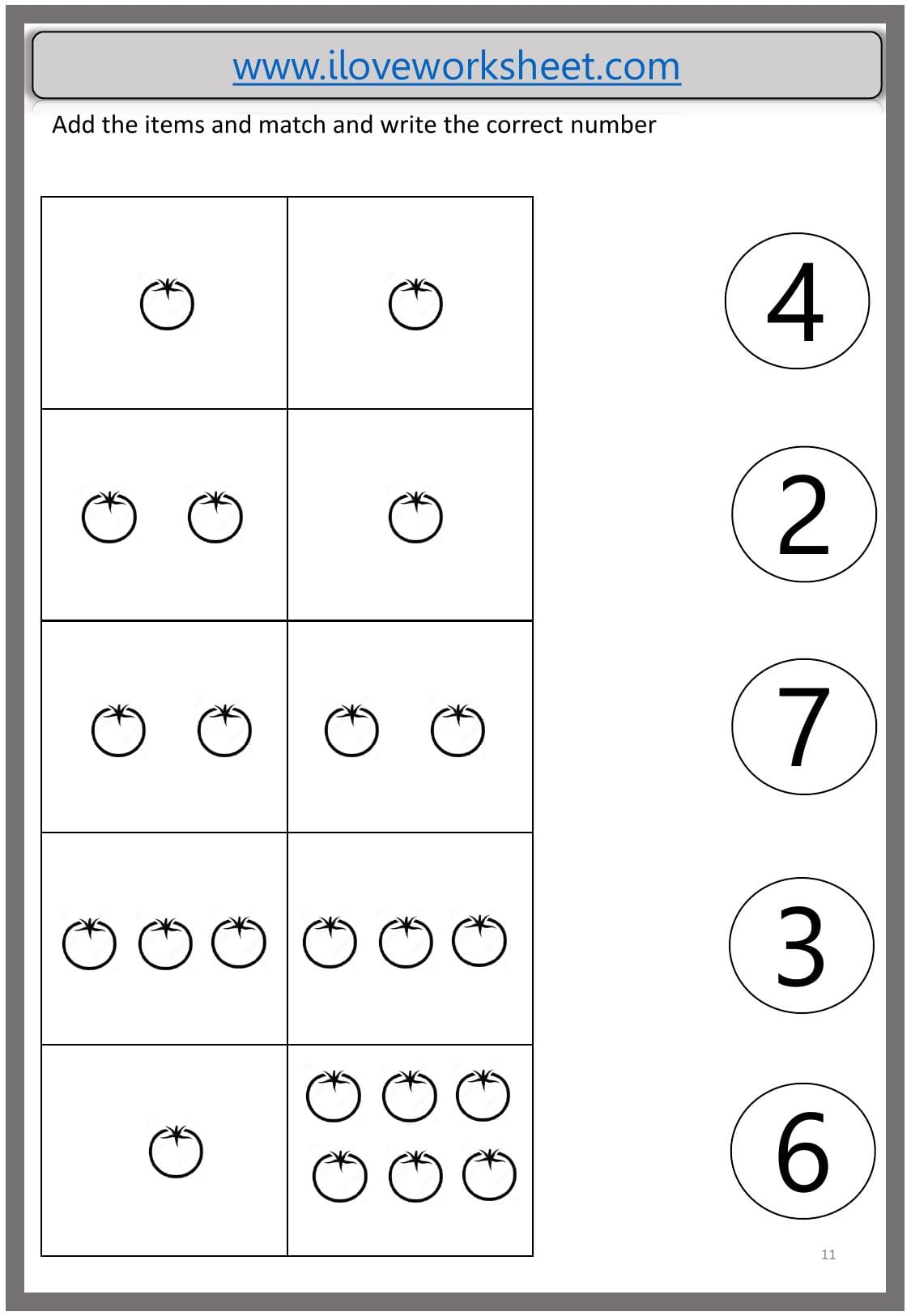
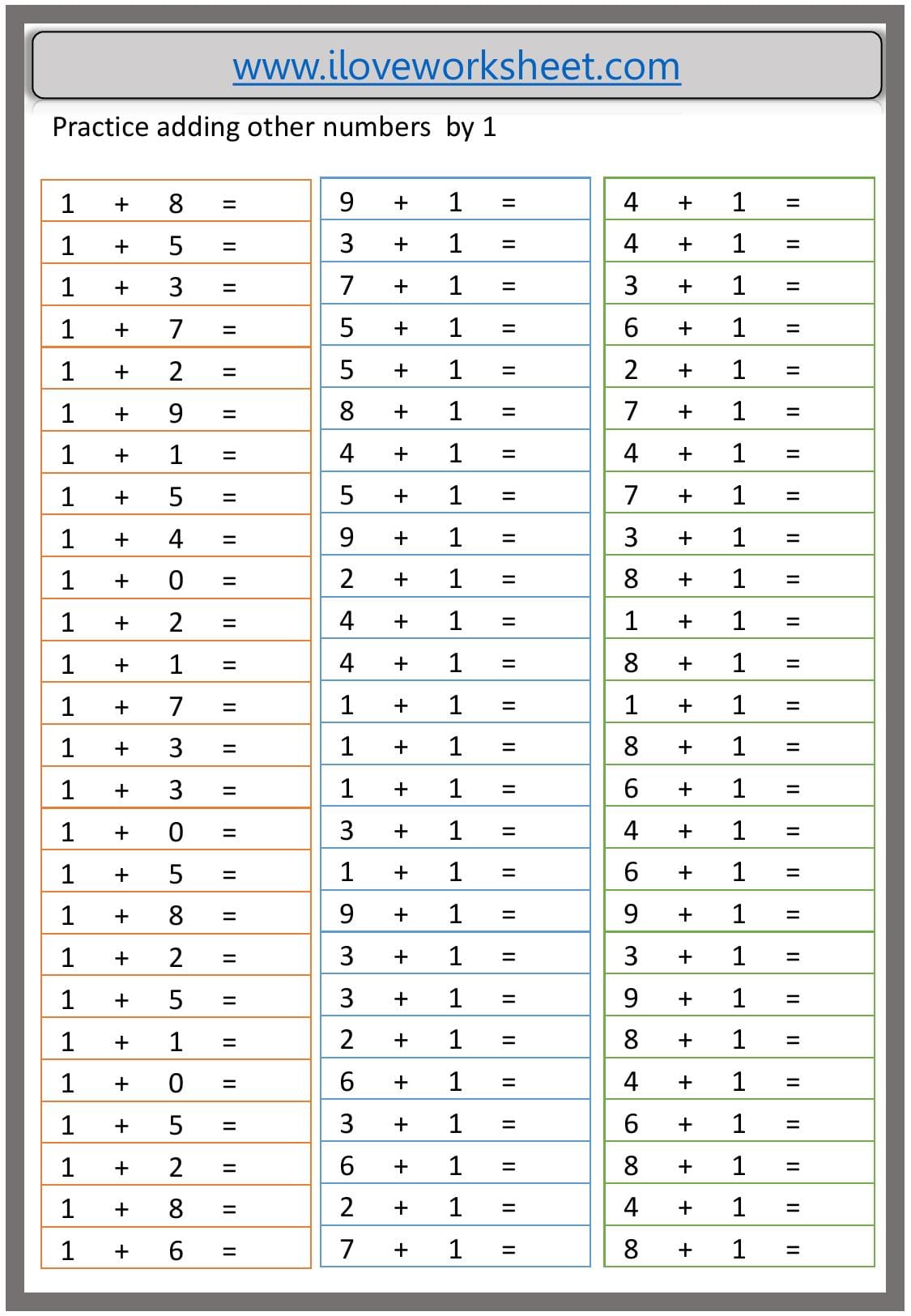
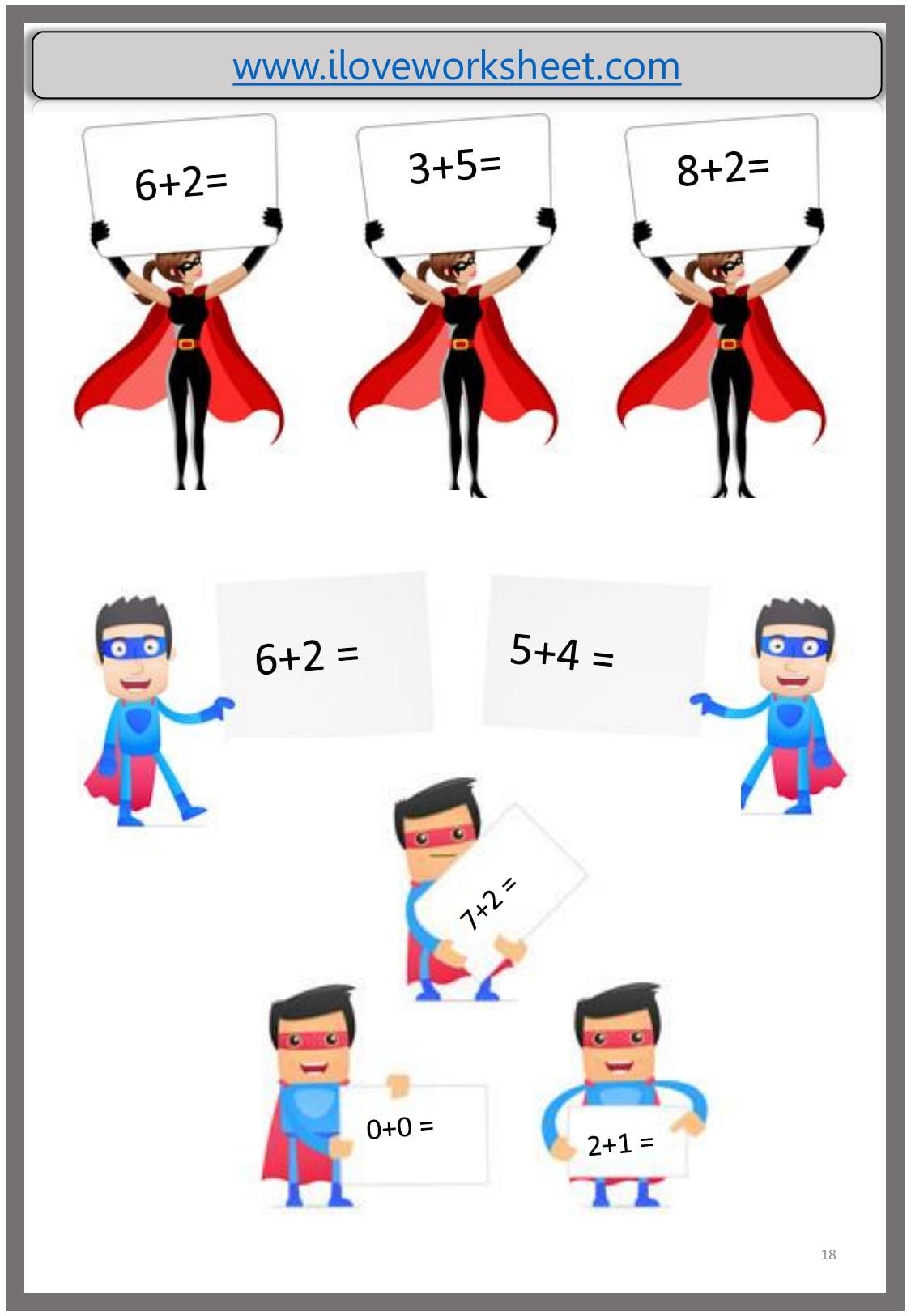
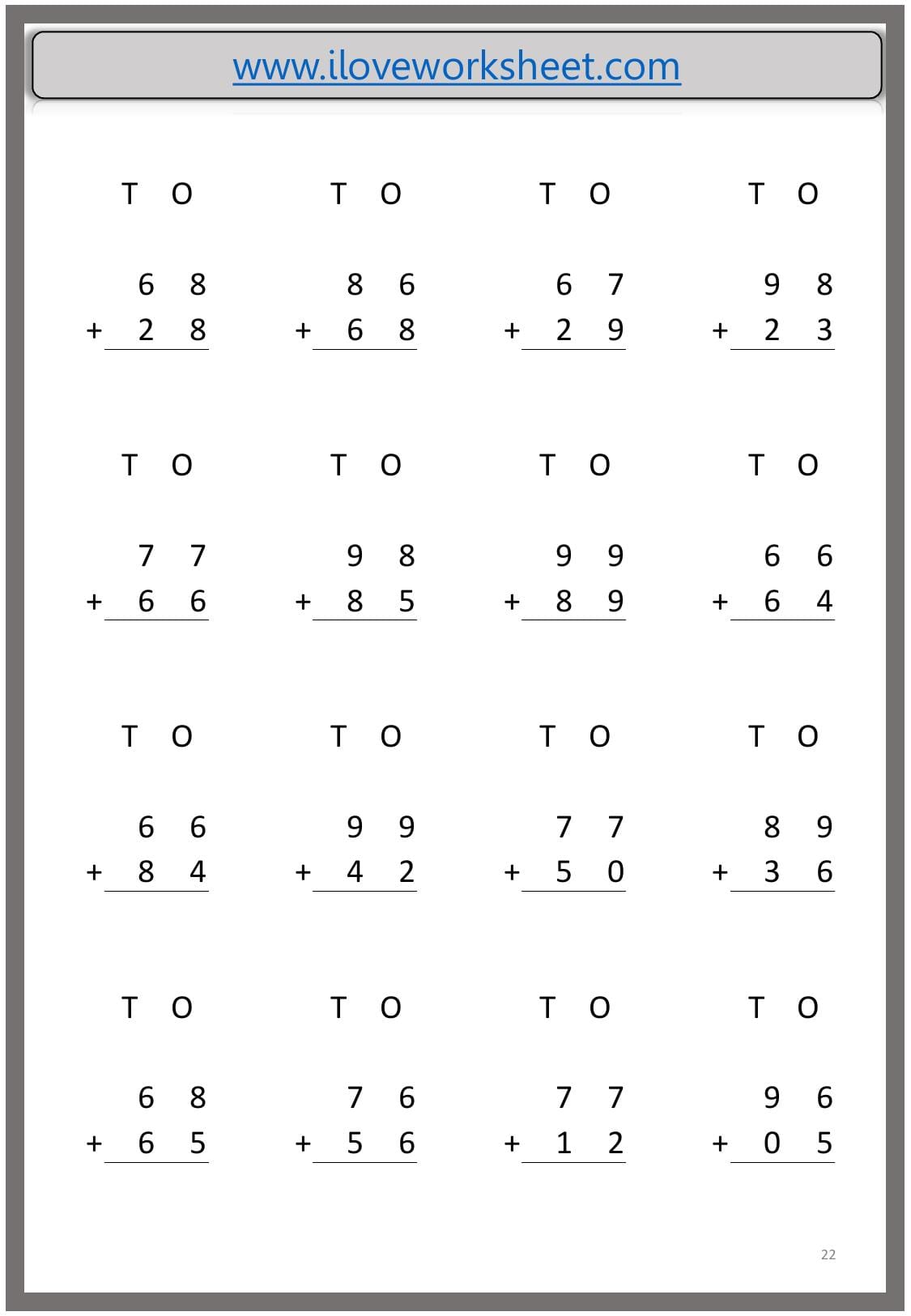
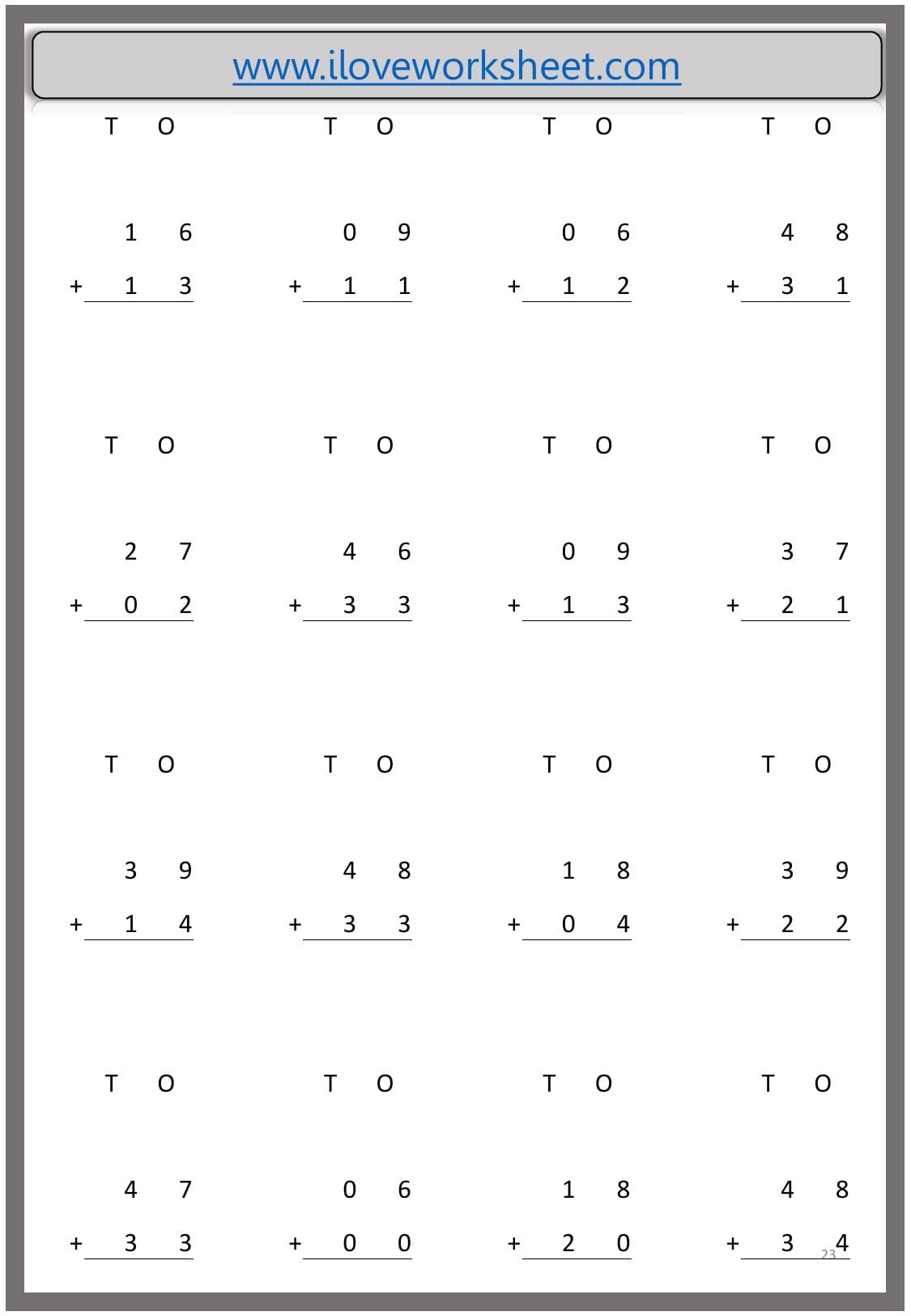
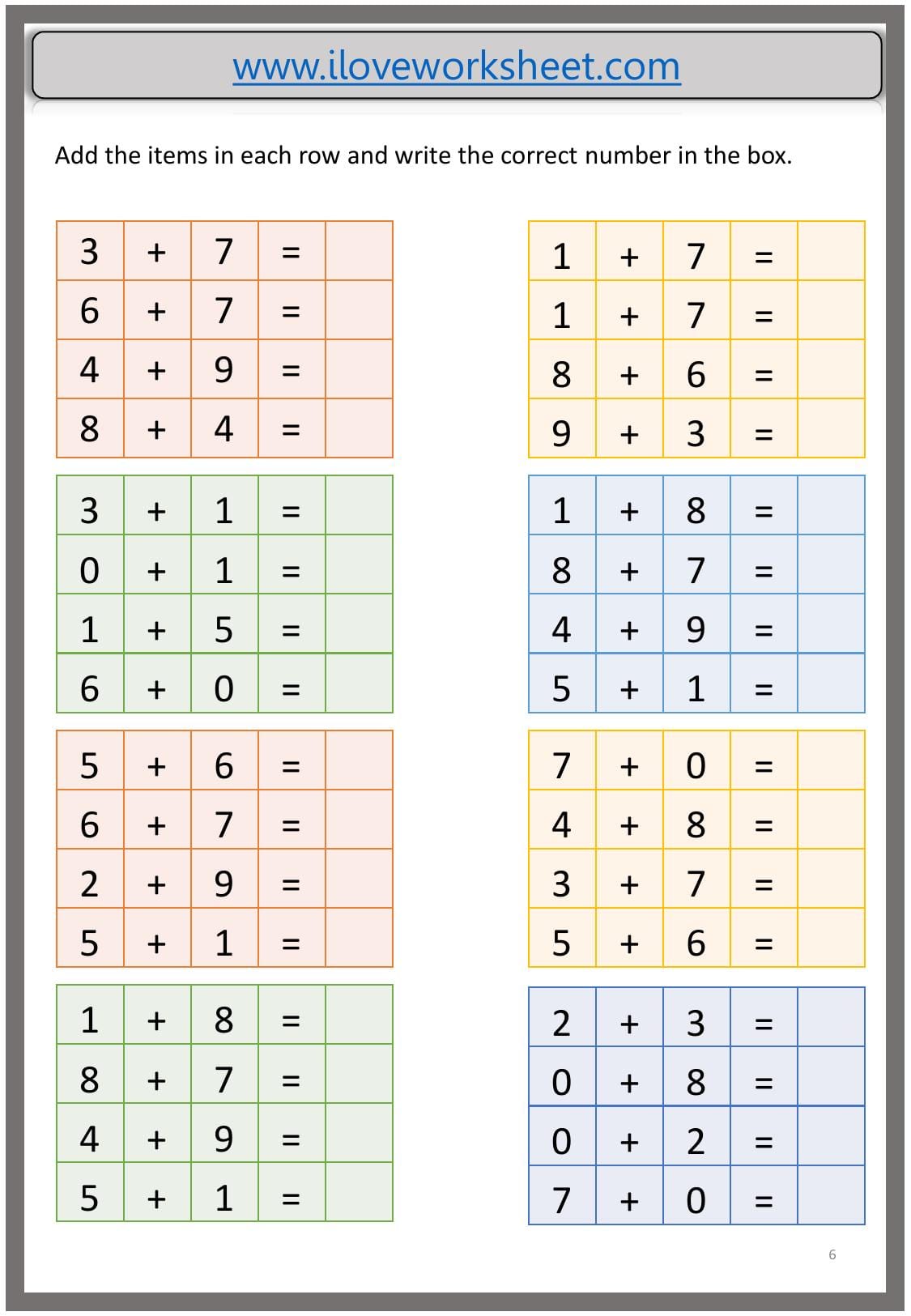
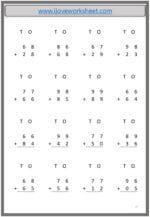
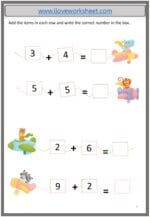
Worksheets are one of the most effective tools for teaching addition because they provide structure, repetition, and visual reinforcement. The worksheet you uploaded includes a variety of problem types:
This variety keeps children engaged while reinforcing the same core skill: combining numbers to find a total.
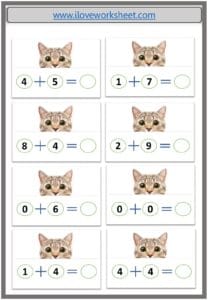
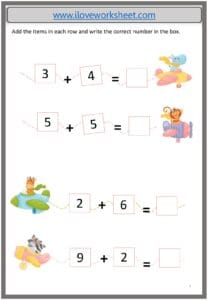
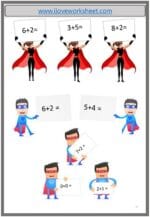
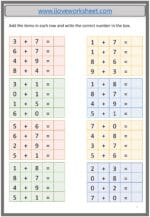
One of the worksheet’s main focuses is addition to 10, a crucial milestone in early math. Problems such as “3 + 7 = ☐”, “8 + 1 = ☐”, and “6 + 2 = ☐” help children learn all the number pairs that make 10. These are often called “number bonds”, and they are essential for mental math.
For example:
Mastering these combinations helps children solve more complex problems quickly and accurately.
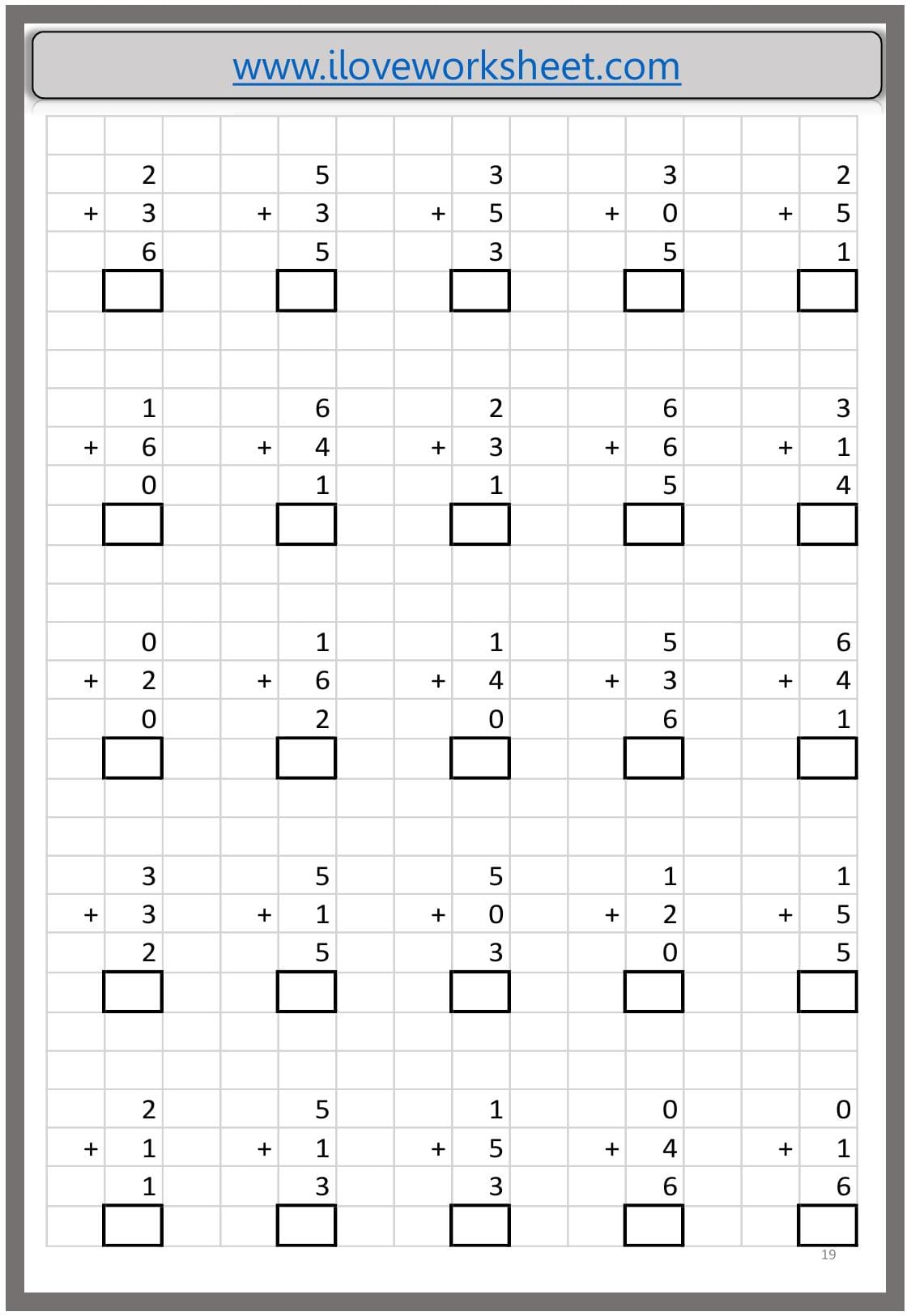
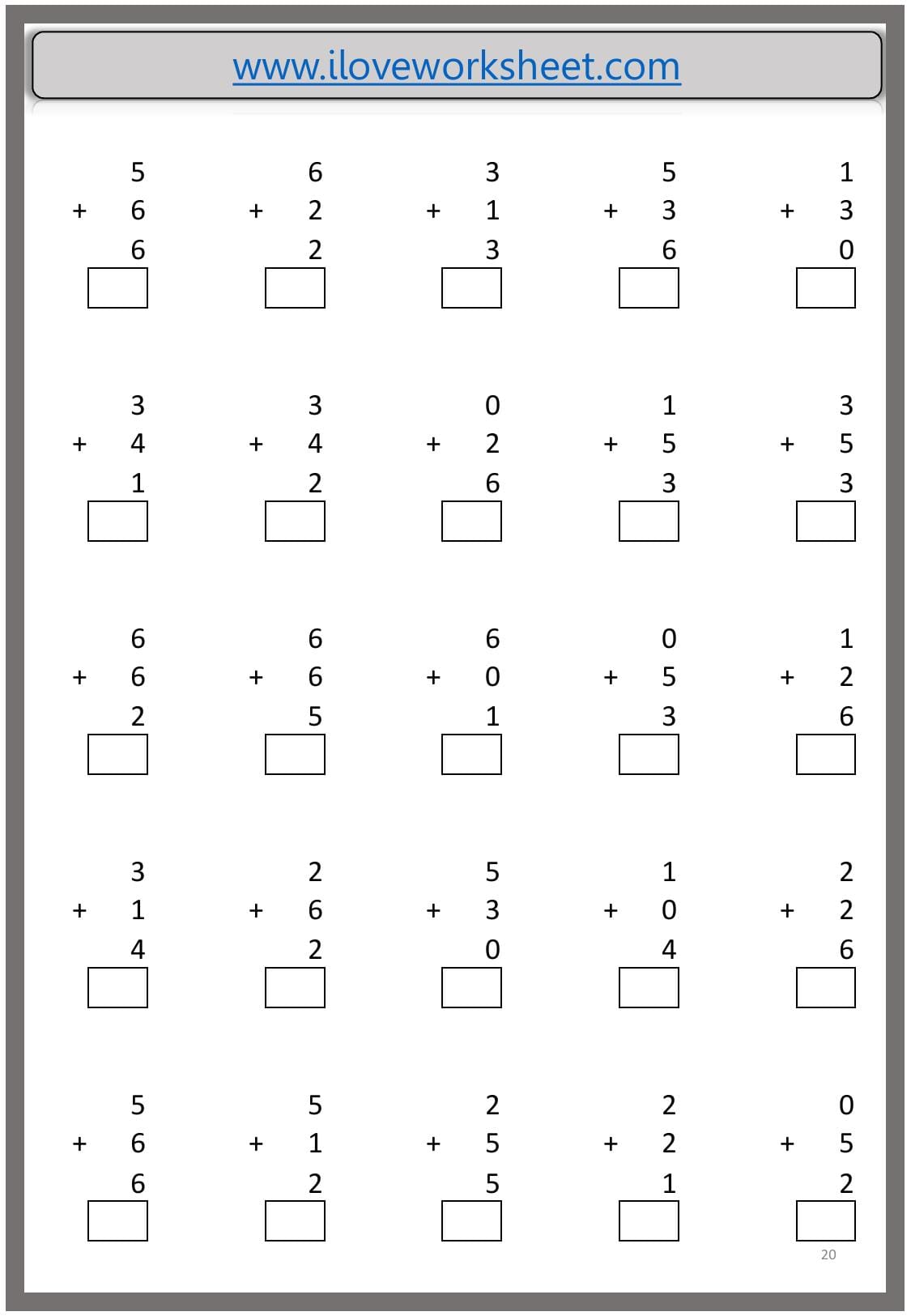
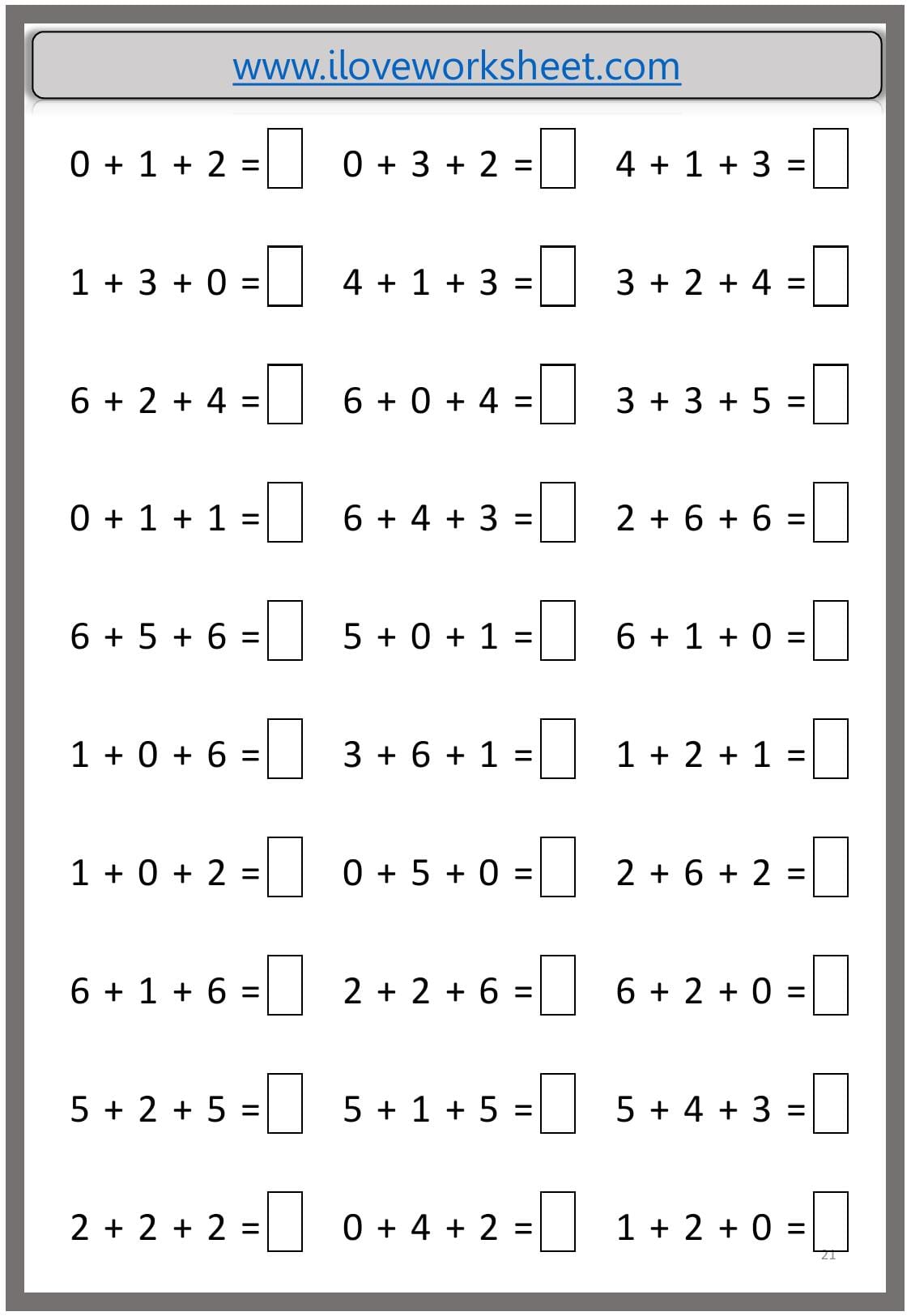
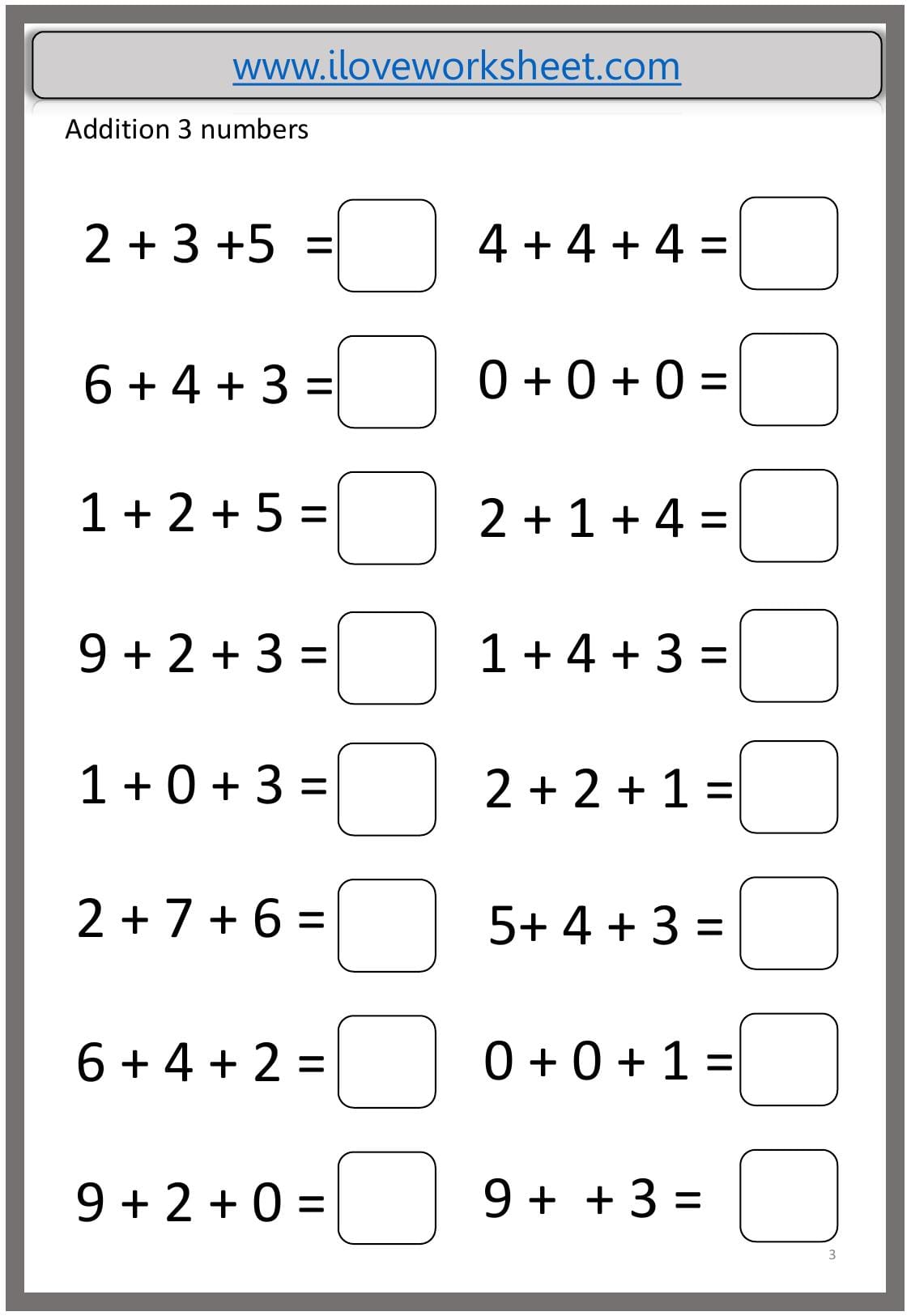
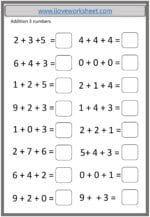
The worksheet also introduces three‑number addition, such as:
This step encourages children to think flexibly about numbers. They learn to group numbers in different ways—for example, solving 2 + 3 + 5 by first adding 2 + 3 = 5, then 5 + 5 = 10. This supports the development of mental strategies that will be useful throughout their education.
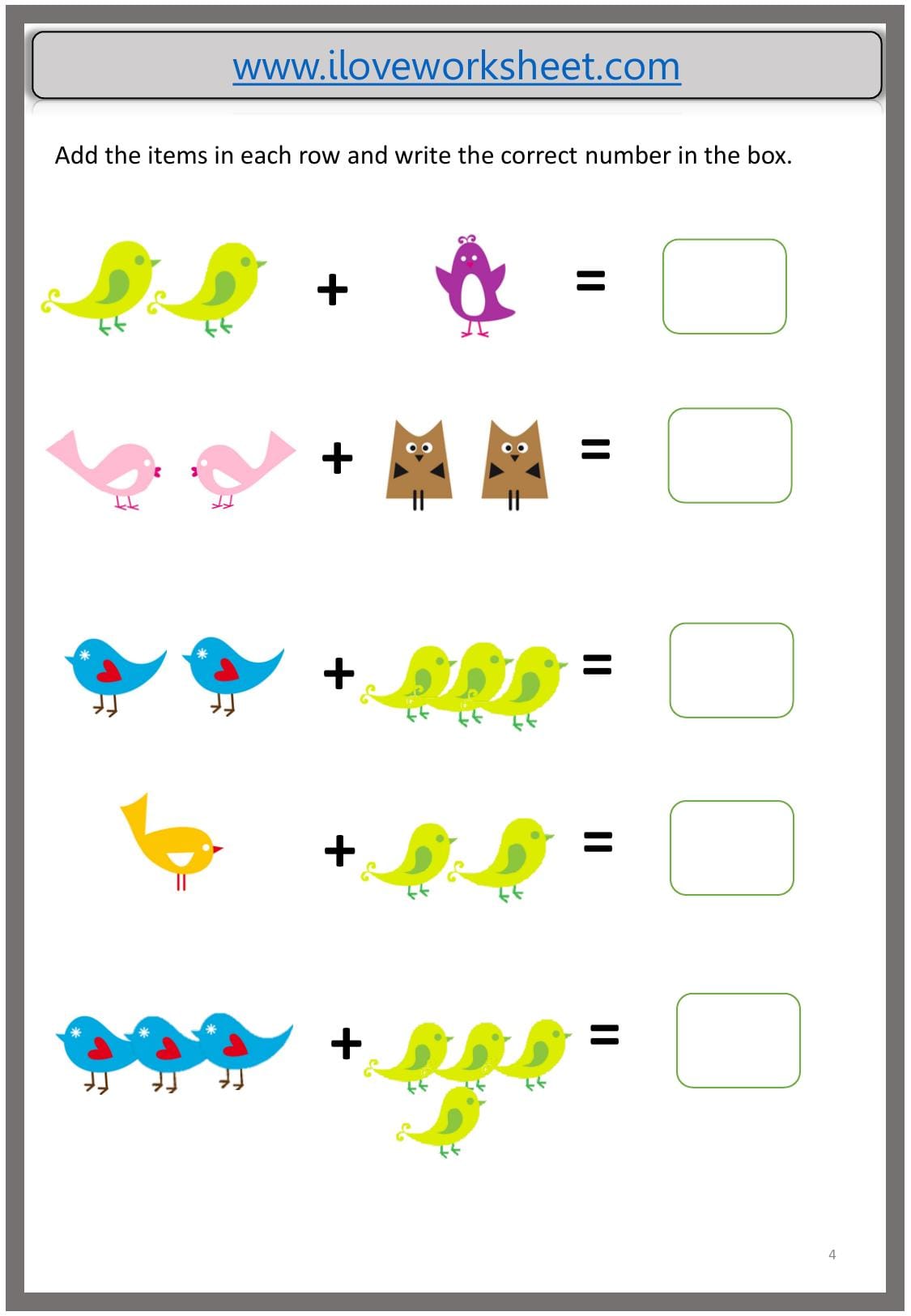
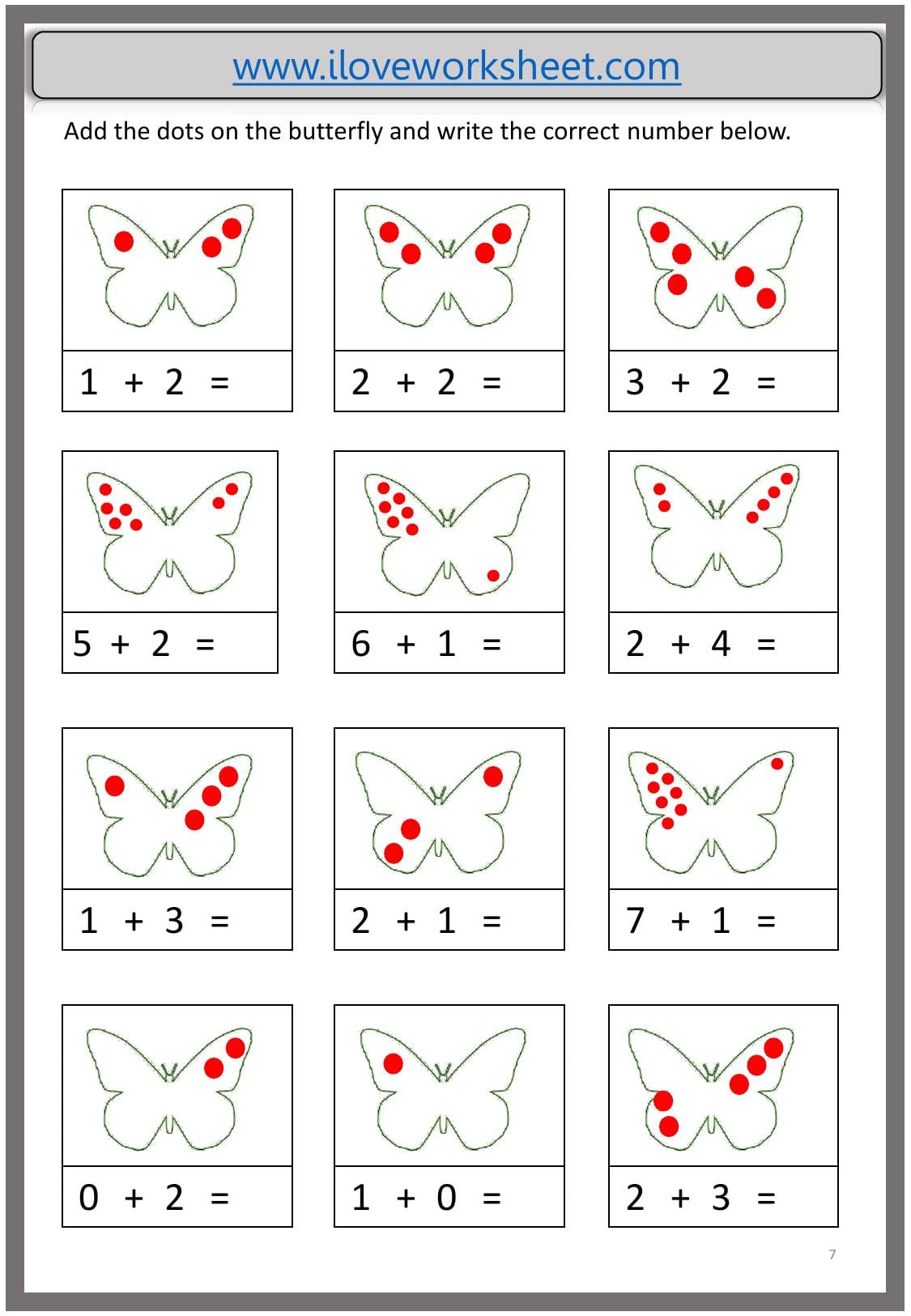
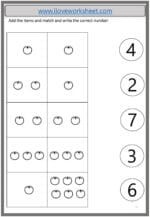
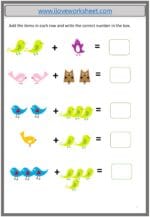
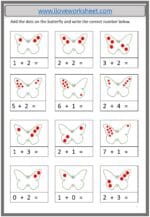
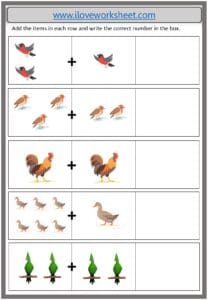
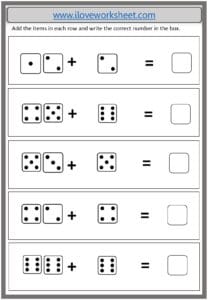
Young learners often understand math best when they can see it. The worksheet includes visual activities such as counting dots on butterflies:
These exercises help children connect abstract numbers to real quantities. Visual addition is especially helpful for:
The worksheet includes many problems with zero, such as:
These teach the important concept that adding zero does not change the number. This is a foundational idea in arithmetic and algebra.
Here are some effective strategies for helping children master addition:
Objects like blocks, beads, or counters make addition concrete.
Teach children the pairs of numbers that make 5, 10, and other key totals.
Once they understand counting, help them solve problems without fingers.
Games, flashcards, and colorful worksheets keep kids motivated.
Consistent practice builds automatic recall of addition facts.
The worksheet you provided is designed with early learners in mind. It includes:
This structure ensures that children build confidence step by step.