
Shapes and Patterns in Early Childhood Classrooms
The Critical Value of Pattern Recognition in Early Mathematics
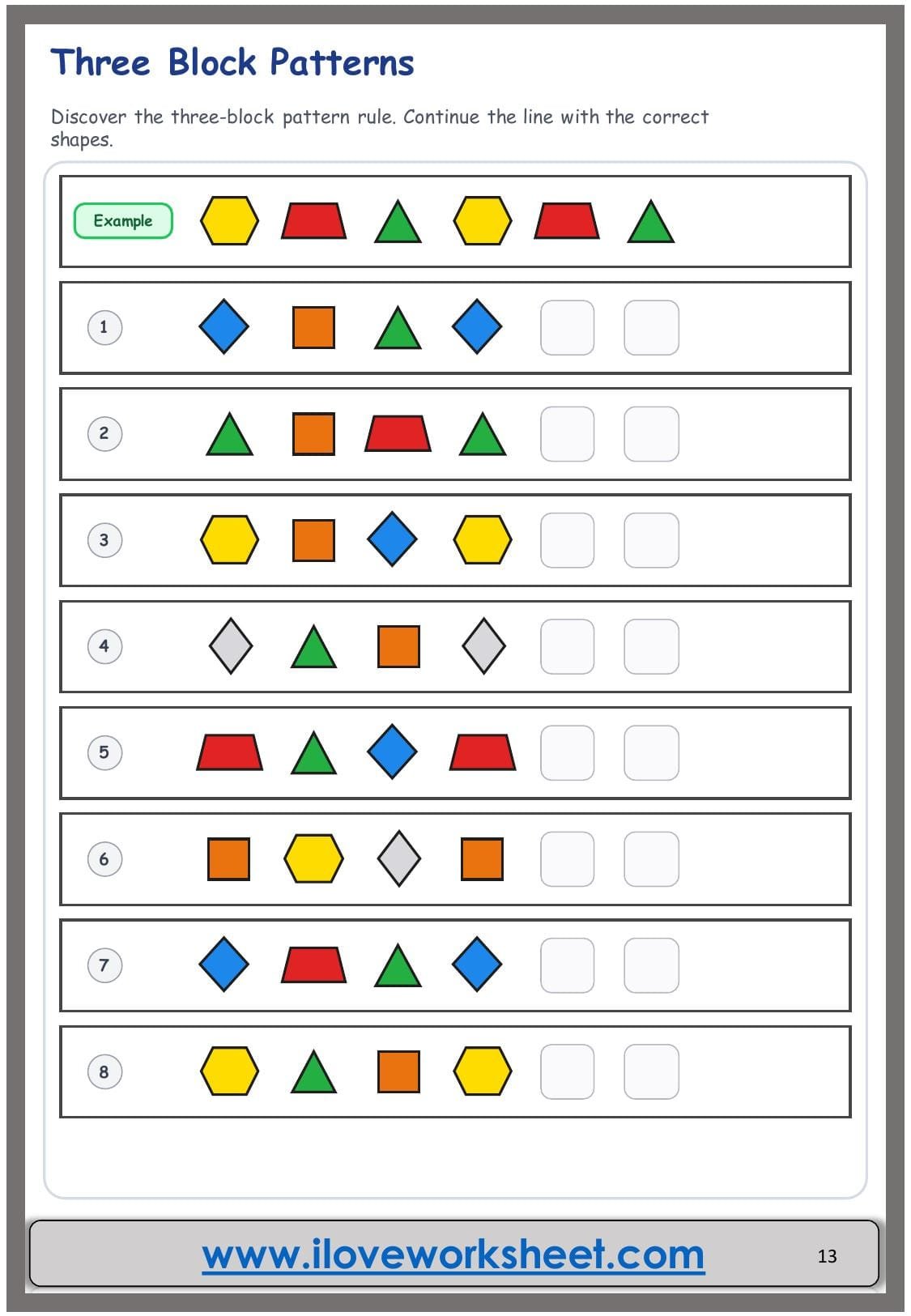
Pattern recognition establishes a vital foundation for mathematical reasoning and algebraic thinking in early elementary classrooms across the United States. When kindergarten students discover repeating sequences, young minds learn to predict outcomes, identify logical relationships, and categorize visual information. Research indicates that early competency with repeating patterns directly predicts future arithmetic fluency and spatial problem-solving success. Educators frequently introduce simple alternating sequences to help young learners perceive structure and predictability in mathematics. By developing these essential perceptual skills, kindergarten teachers empower children to transition seamlessly from concrete observation to abstract mathematical thinking.
Integrating Geometric Shapes and Color Sequences
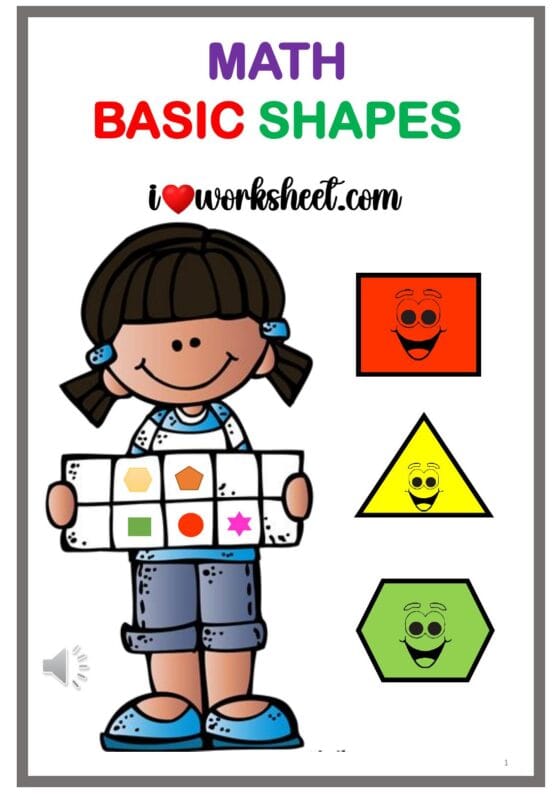
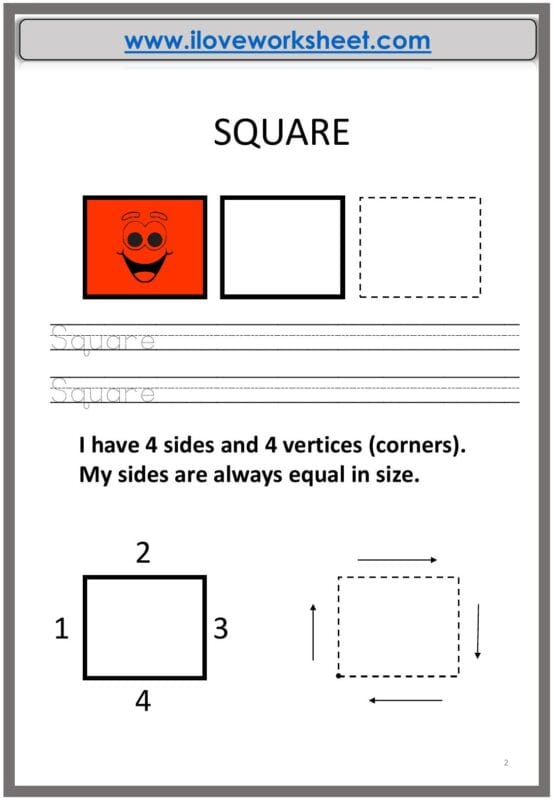
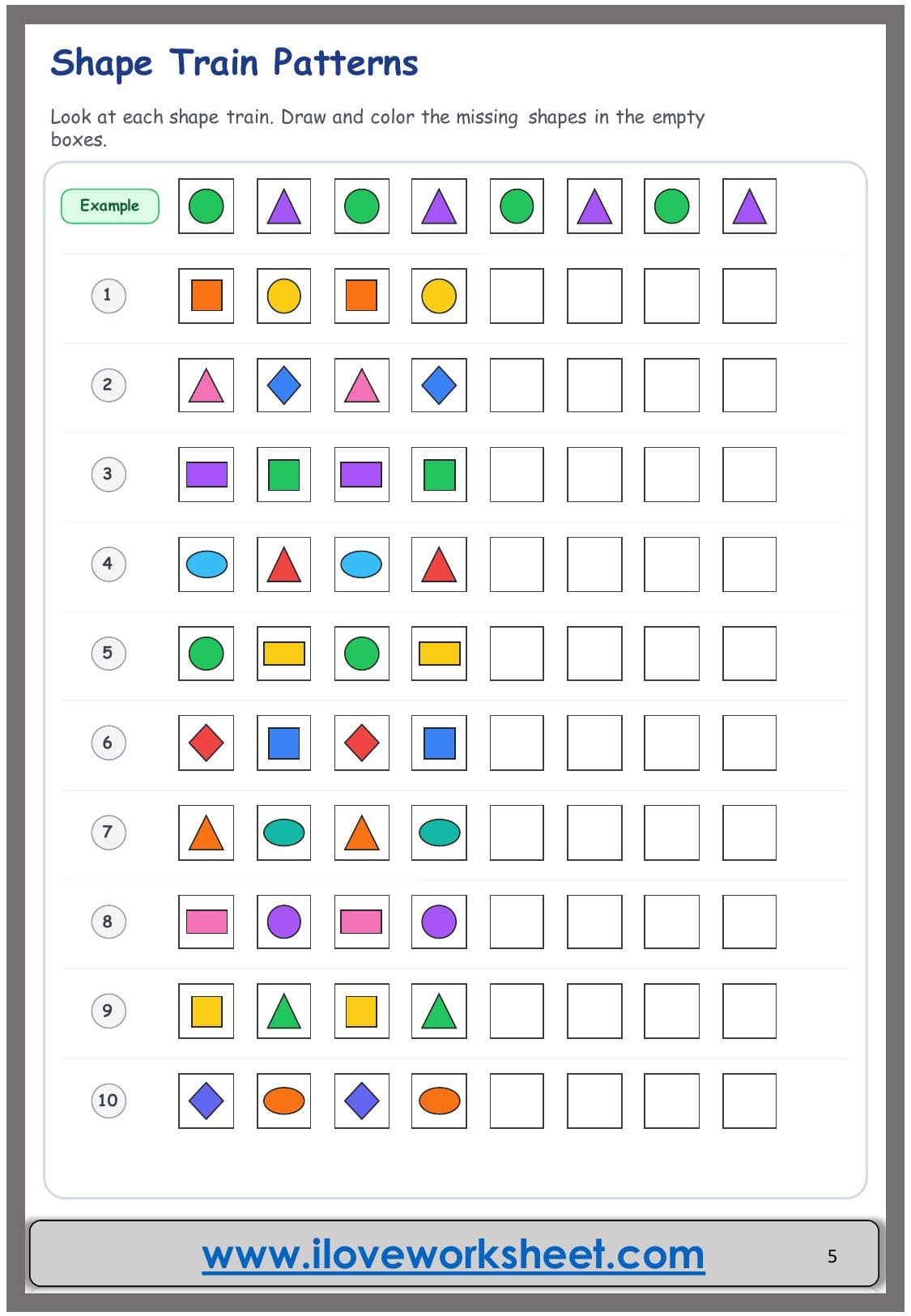
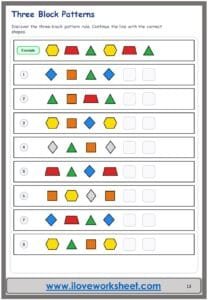
Early math standards emphasize the identification and composition of two-dimensional shapes, including circles, triangles, squares, rectangles, hexagons, and rhombi. Combining shape recognition with color sequencing creates rich, multi-sensory learning experiences that stimulate cognitive growth. Introducing two-attribute patterns, such as alternating red circles and yellow squares, encourages students to analyze multiple characteristics simultaneously. As learners progress from simple two-color repetitions to complex three-color sequences, analytical abilities expand significantly. These foundational exercises cultivate visual discrimination and fine motor coordination, as young children trace, draw, and color distinct geometric shapes within structured exercise grids.
Hands-On Exploration with Pattern Blocks and Snap Cubes
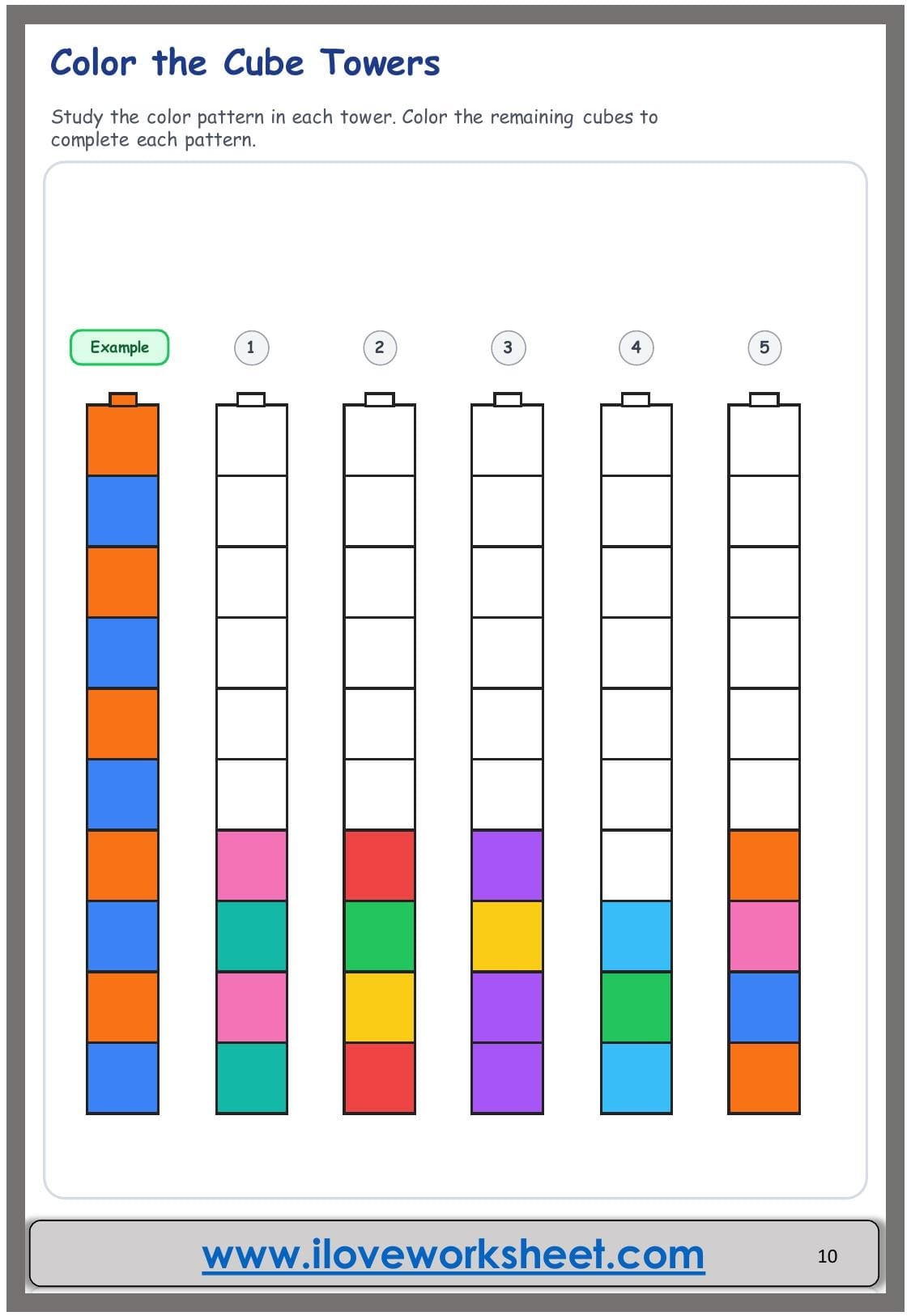
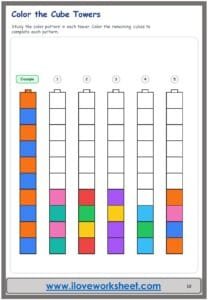
Concrete manipulatives remain indispensable tools in American kindergarten instruction. Pattern blocks and connecting snap cubes bridge the gap between tangible touch and symbolic math. Manipulating standard yellow hexagons, red trapezoids, green triangles, and blue rhombi allows children to physically assemble, rotate, and extend repeating tracks. Similarly, building vertical snap cube towers introduces counting, one-to-one correspondence, and linear pattern extensions. Incorporating manipulative mats alongside printable activities reinforces classroom learning centers, enabling students to construct tactile towers before recording answers on paper. This hybrid approach deepens conceptual understanding and sustains high student engagement throughout daily math blocks.
Scaffolding from Simple AB Sequences to Advanced Core Patterns
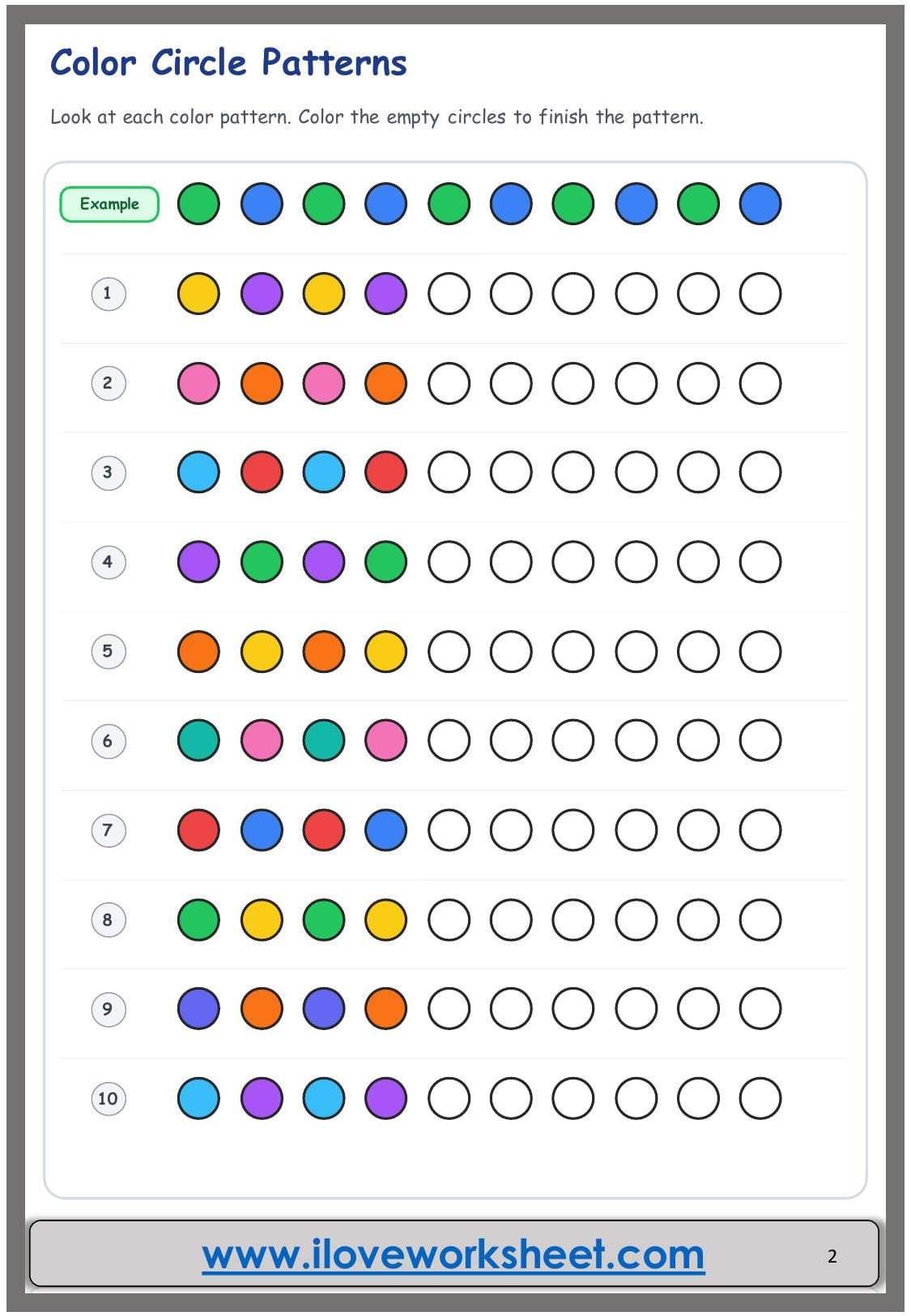
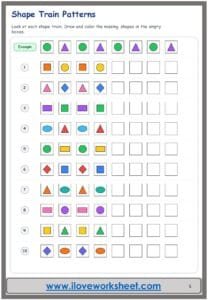
Effective instructional design relies on intentional scaffolding that meets developmental readiness. Teachers typically initiate pattern instruction with simple alternating AB configurations. Once children demonstrate mastery, educators introduce ABC, AABB, and ABB arrangements to deepen analytical thinking. Advanced kindergarteners eventually explore growing patterns and complex ABAC structures, where an initial shape periodically reemerges. Providing a fully completed example at the beginning of each activity provides immediate clarity, lowers math anxiety, and fosters independent problem-solving confidence. Scaffolded progression ensures that every student builds strong foundational confidence before encountering elevated challenges.
Supporting Diverse Learners Through Visual Math Worksheets
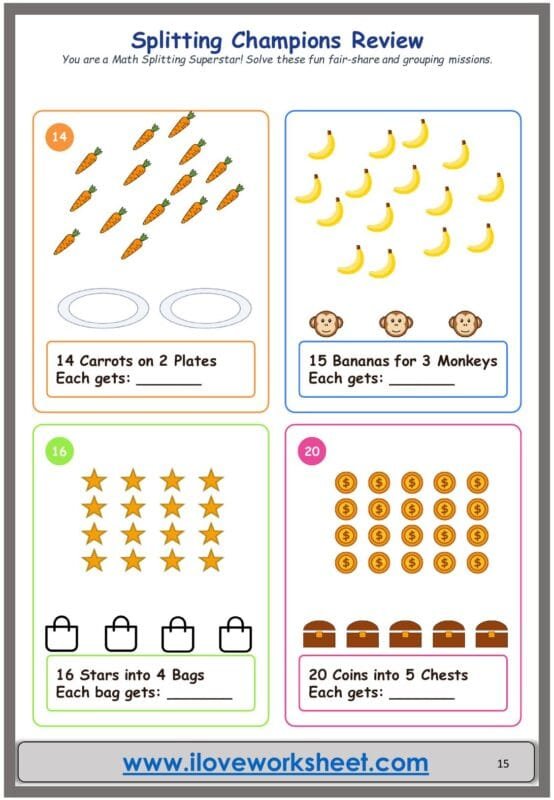
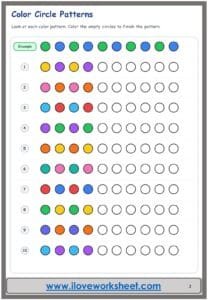
Structured visual worksheets offer quiet, focused practice that complements active classroom math games. Clear, uncluttered page layouts with cheerful thematic art keep young children motivated without causing sensory overwhelm. Visual boundary boxes help emerging writers maintain neat spatial arrangement. Moreover, printables featuring explicit examples allow English language learners and students receiving individualized support to grasp task objectives instantly without extensive verbal instruction. Incorporating consistent pattern activities during small-group rotations, morning work, and assessment periods strengthens student readiness for first-grade mathematics.