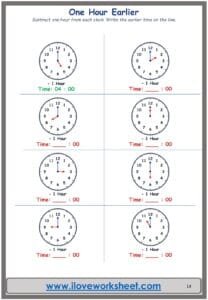
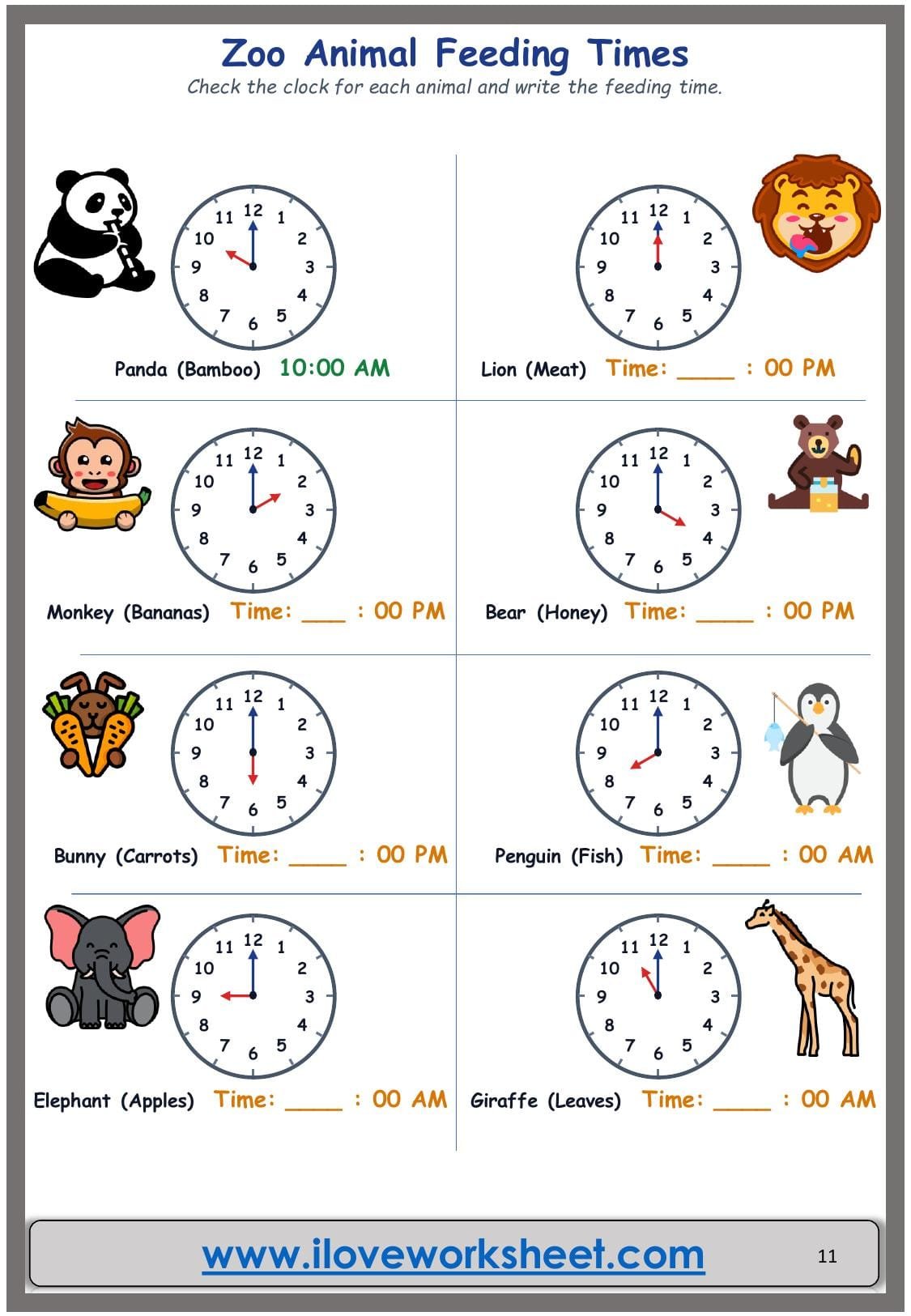
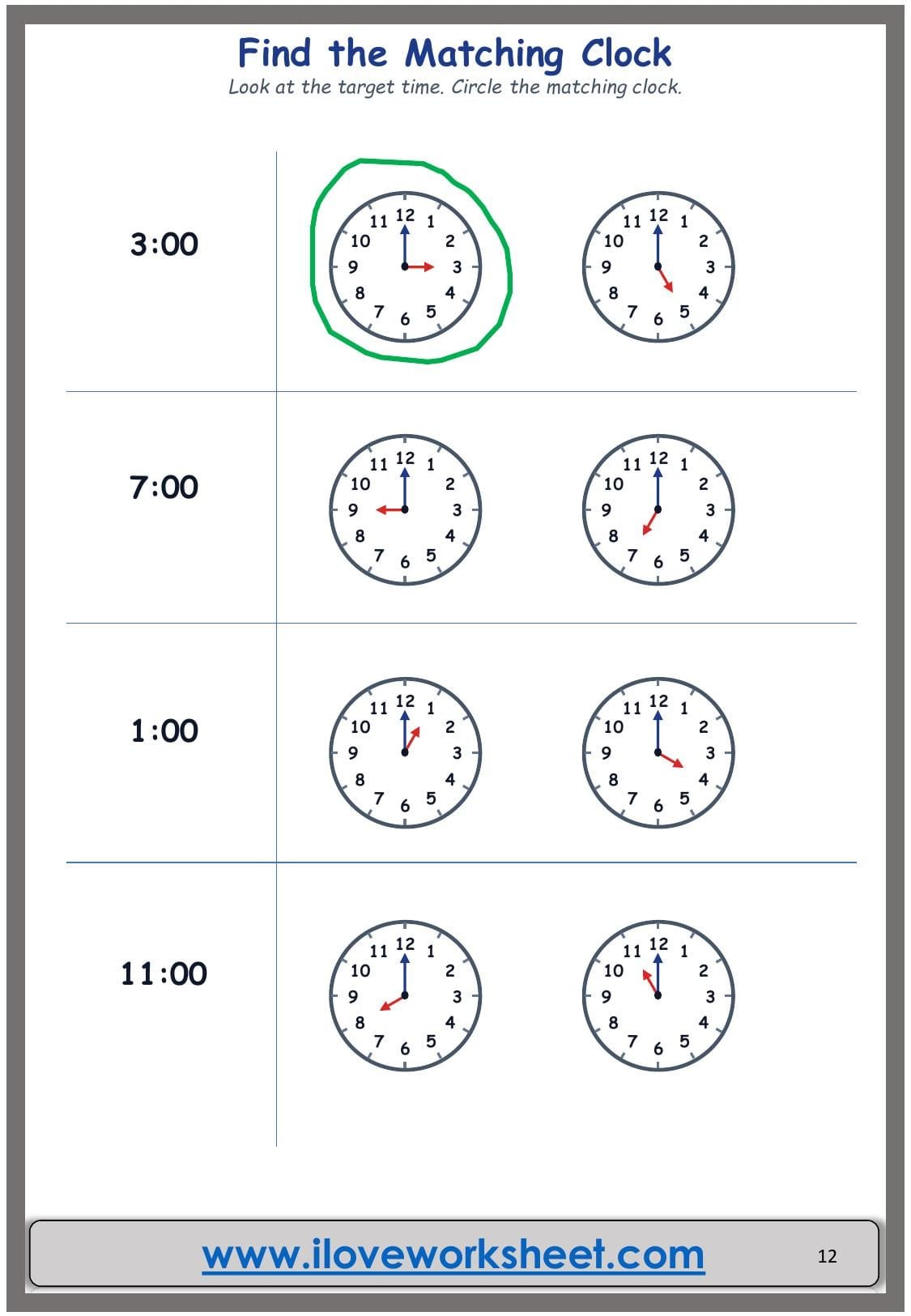
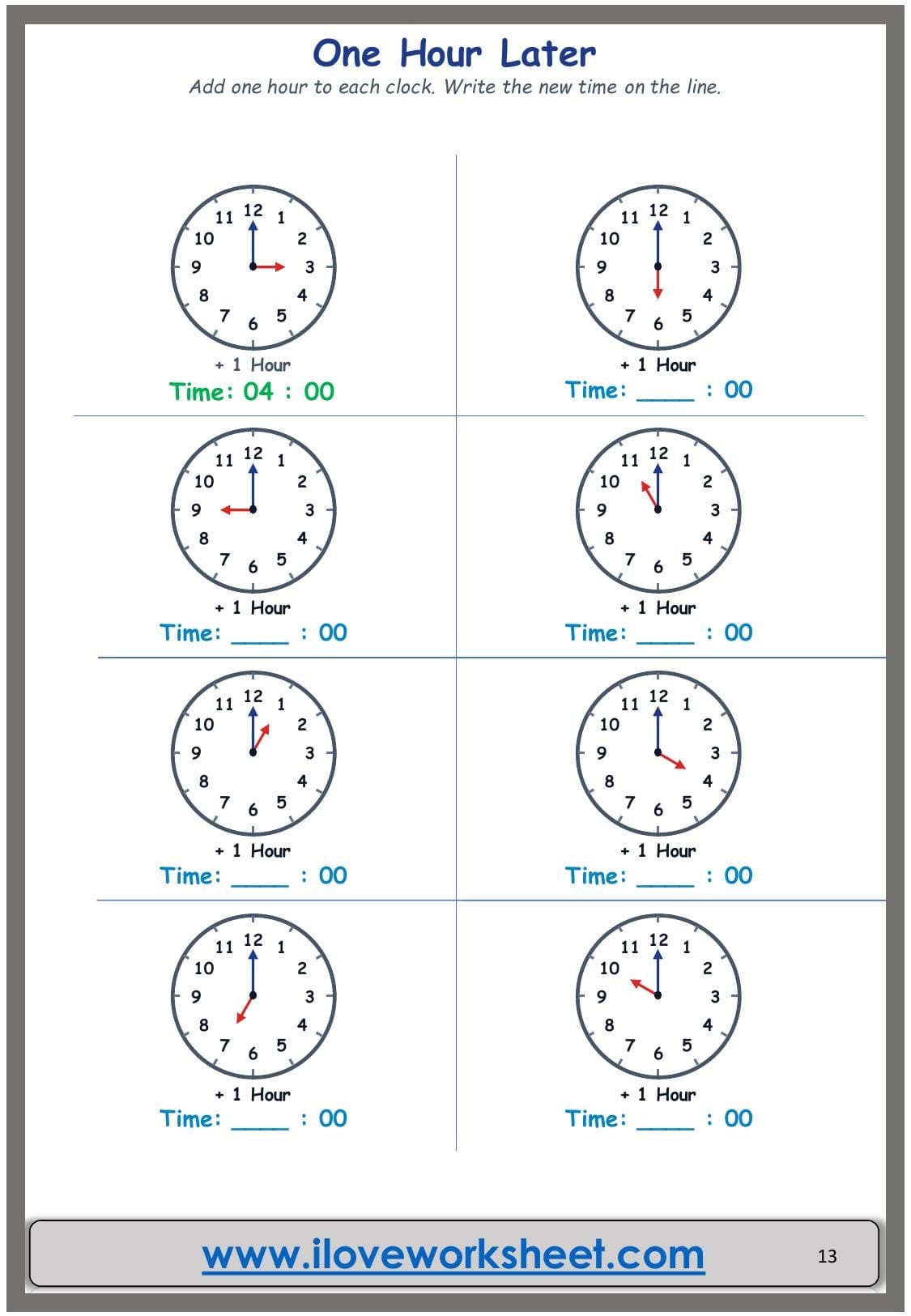
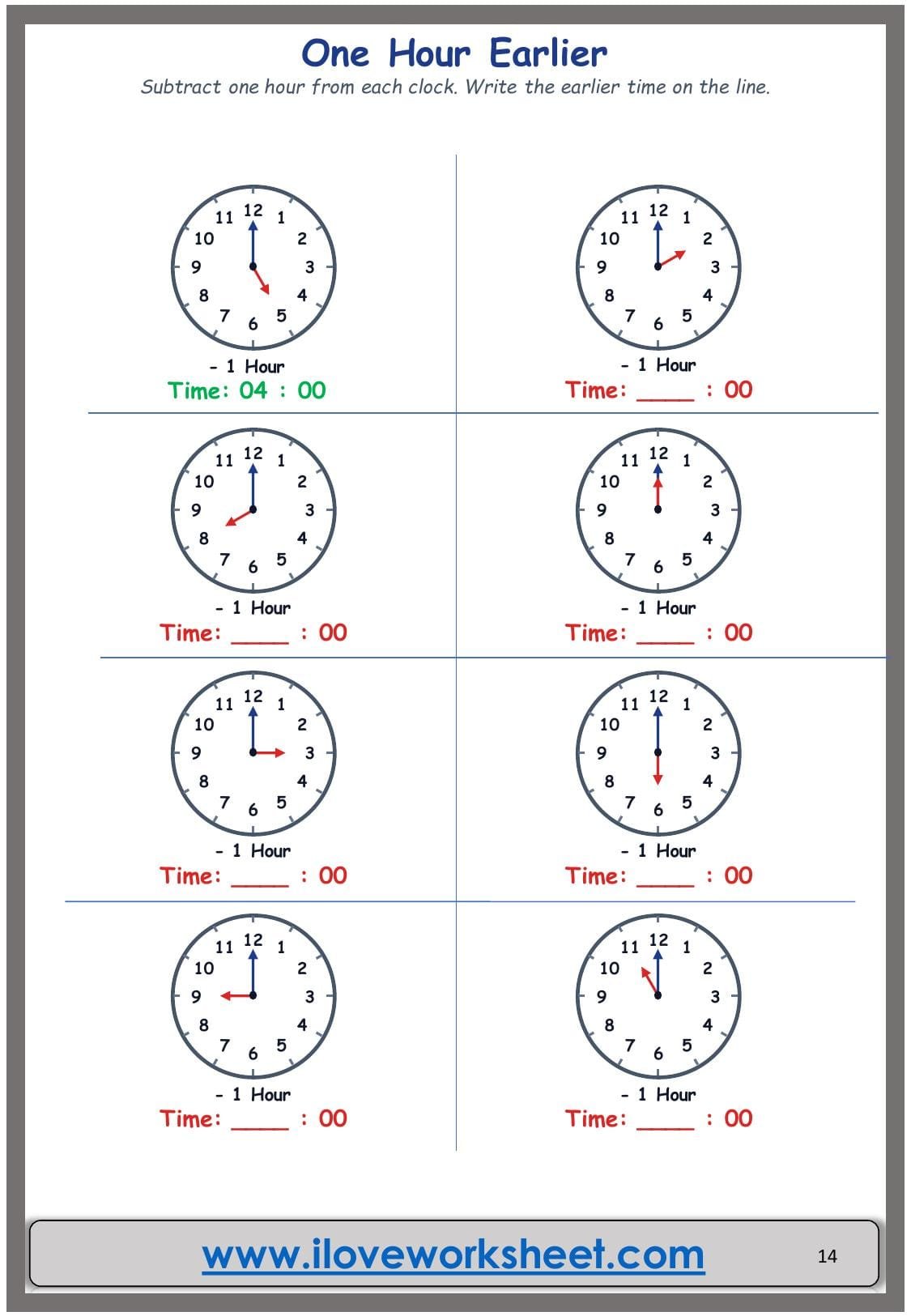

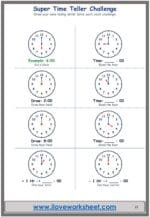
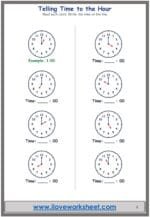
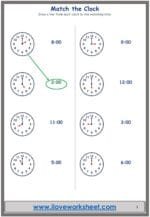
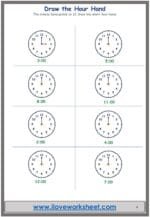

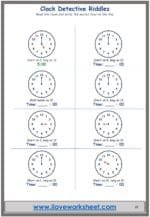
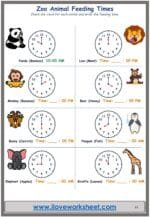
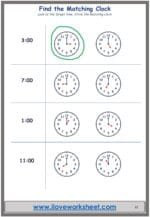
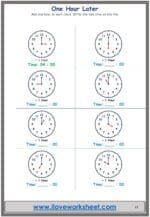
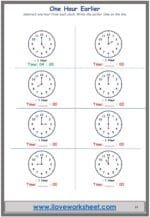

Early childhood mathematics curricula place significant emphasis on temporal cognition the capacity to conceptualize, sequence, and quantify the passage of time. In primary education across the United States, developing an understanding of hours represents a pivotal developmental milestone. Before children can grasp fractional divisions such as half-hours, quarter-hours, or five-minute intervals, primary instruction must firmly ground the concept of full hours and the cyclical nature of the twelve-hour clock face.
Temporal awareness begins intuitively through daily routines: waking up, eating breakfast, boarding the school bus, and settling into afternoon activities. Translating these lived experiential sequences into standardized mathematical notation requires deliberate instructional scaffolding. Educational research in early spatial cognition demonstrates that young children comprehend time most effectively when abstract numerical symbols connect directly with continuous circular spatial models. Analog clock faces provide this exact perceptual bridge, transforming an invisible continuum into tangible circular geometry where distance traversed correlates directly with elapsed duration.
In modern society, digital time displays appear ubiquitously across microwave panels, television screens, tablets, and automotive dashboards. While digital clocks provide immediate numerical information, digital readouts fail to convey the underlying structural mechanics of elapsed time. A digital readout displaying eight o’clock presents isolated digits without visual reference to the preceding hour or the hour yet to come.
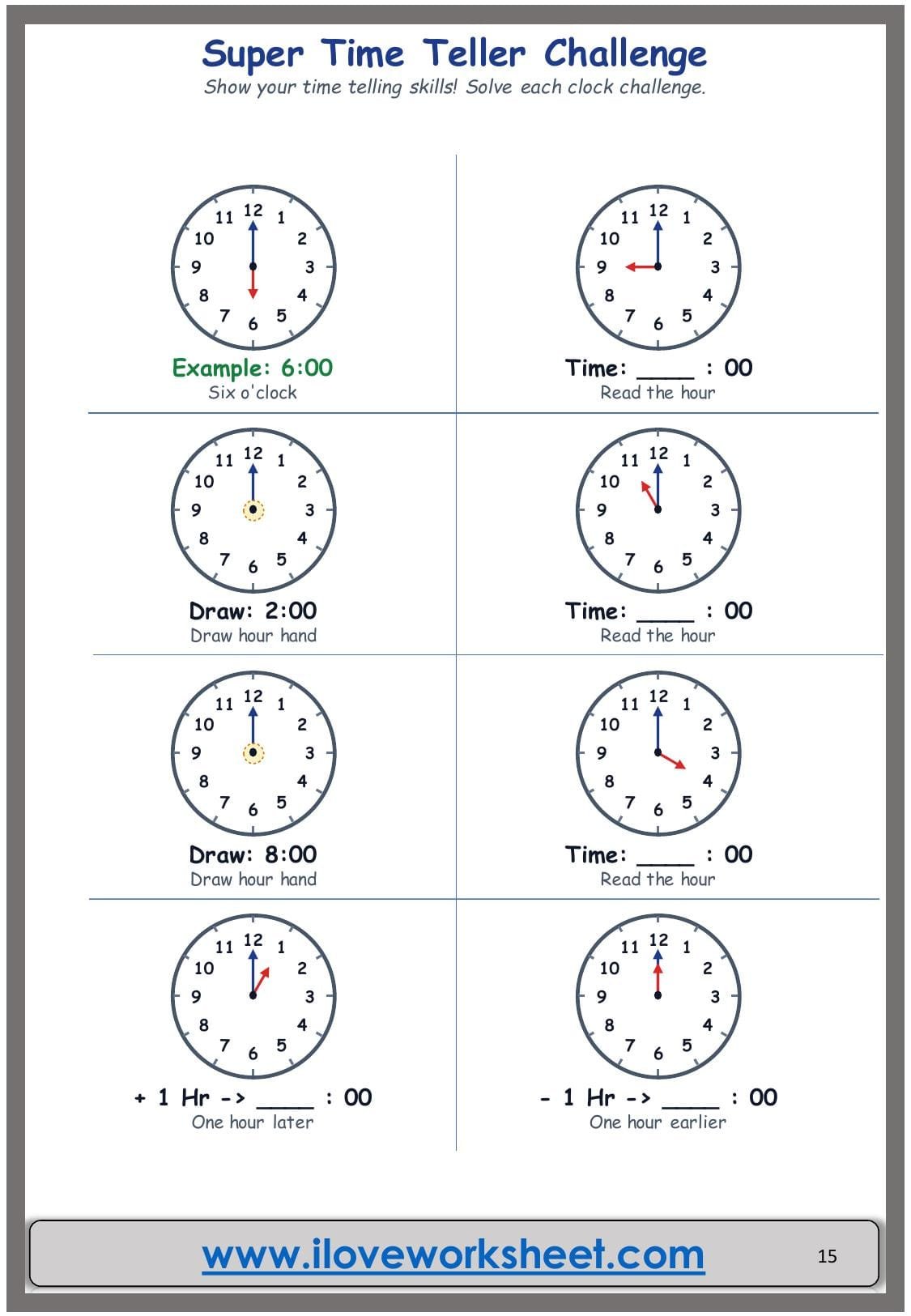
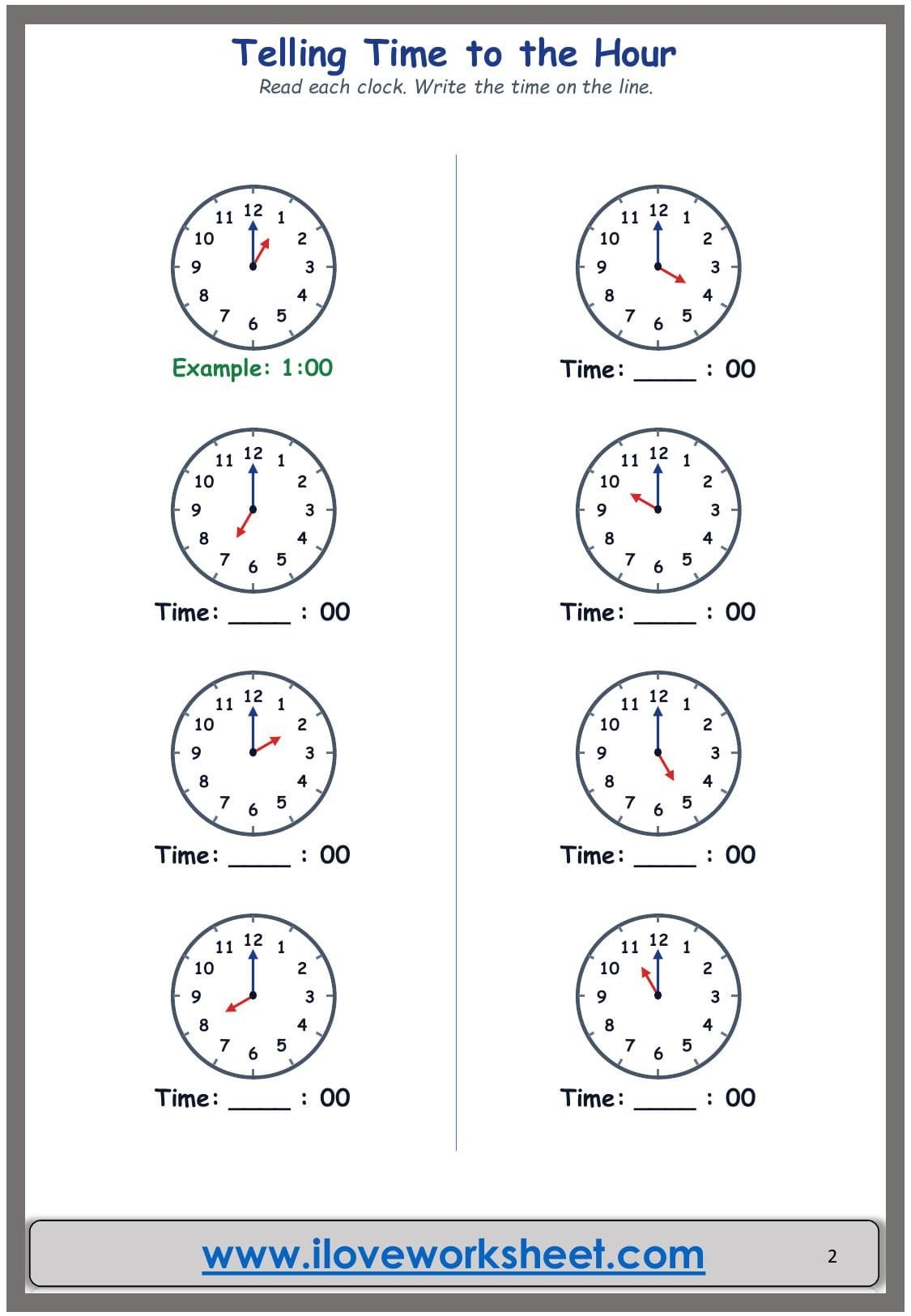
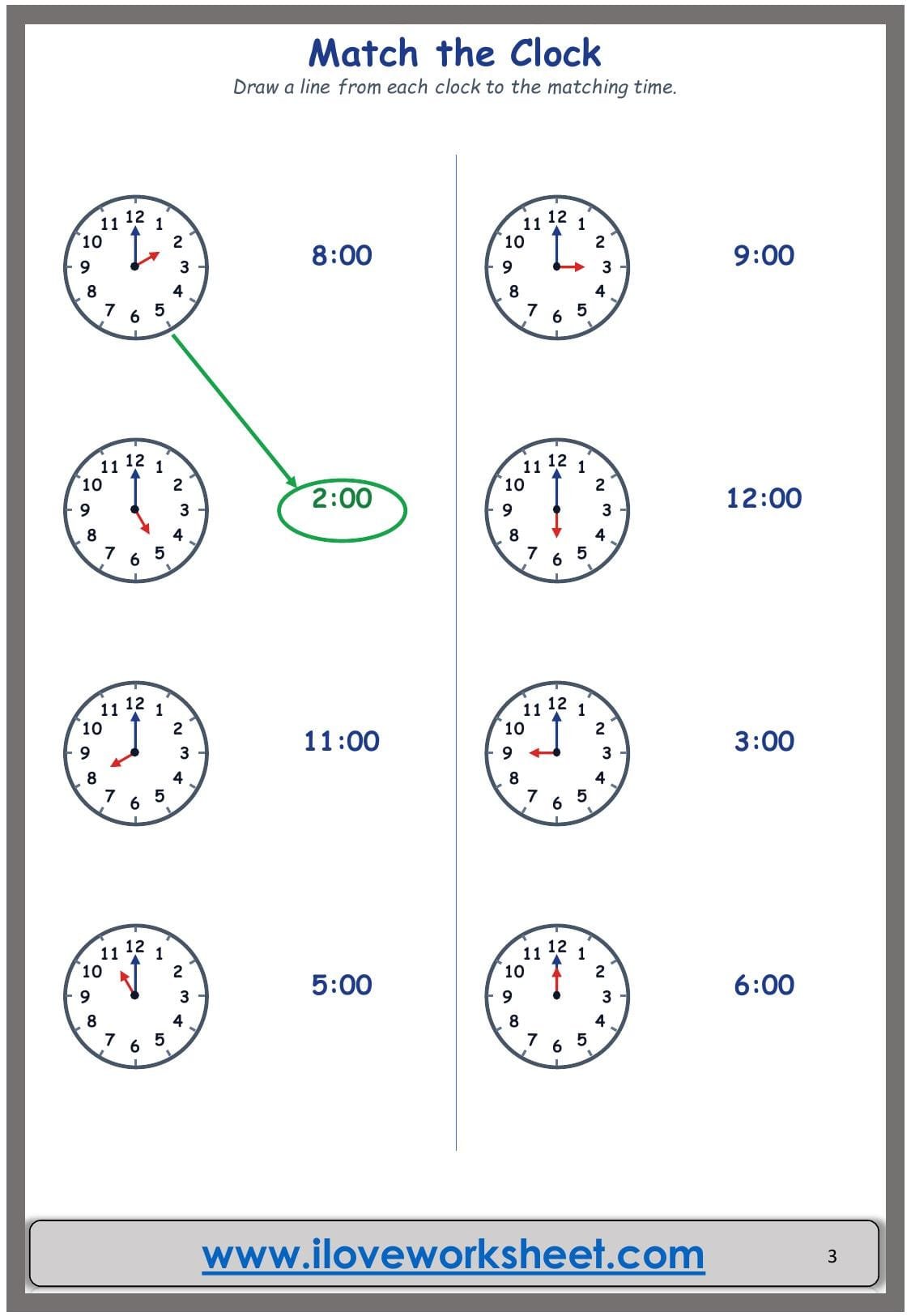
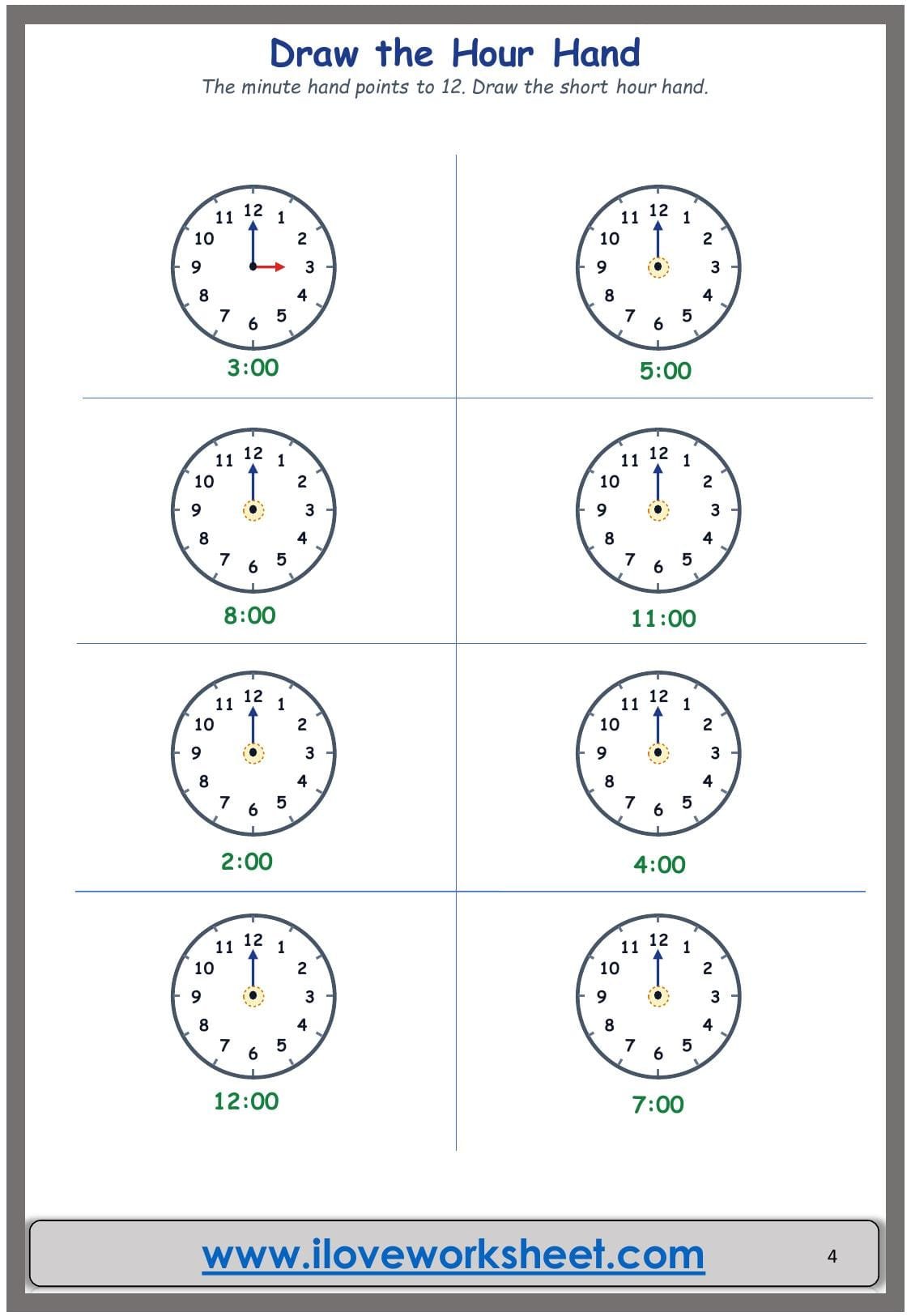
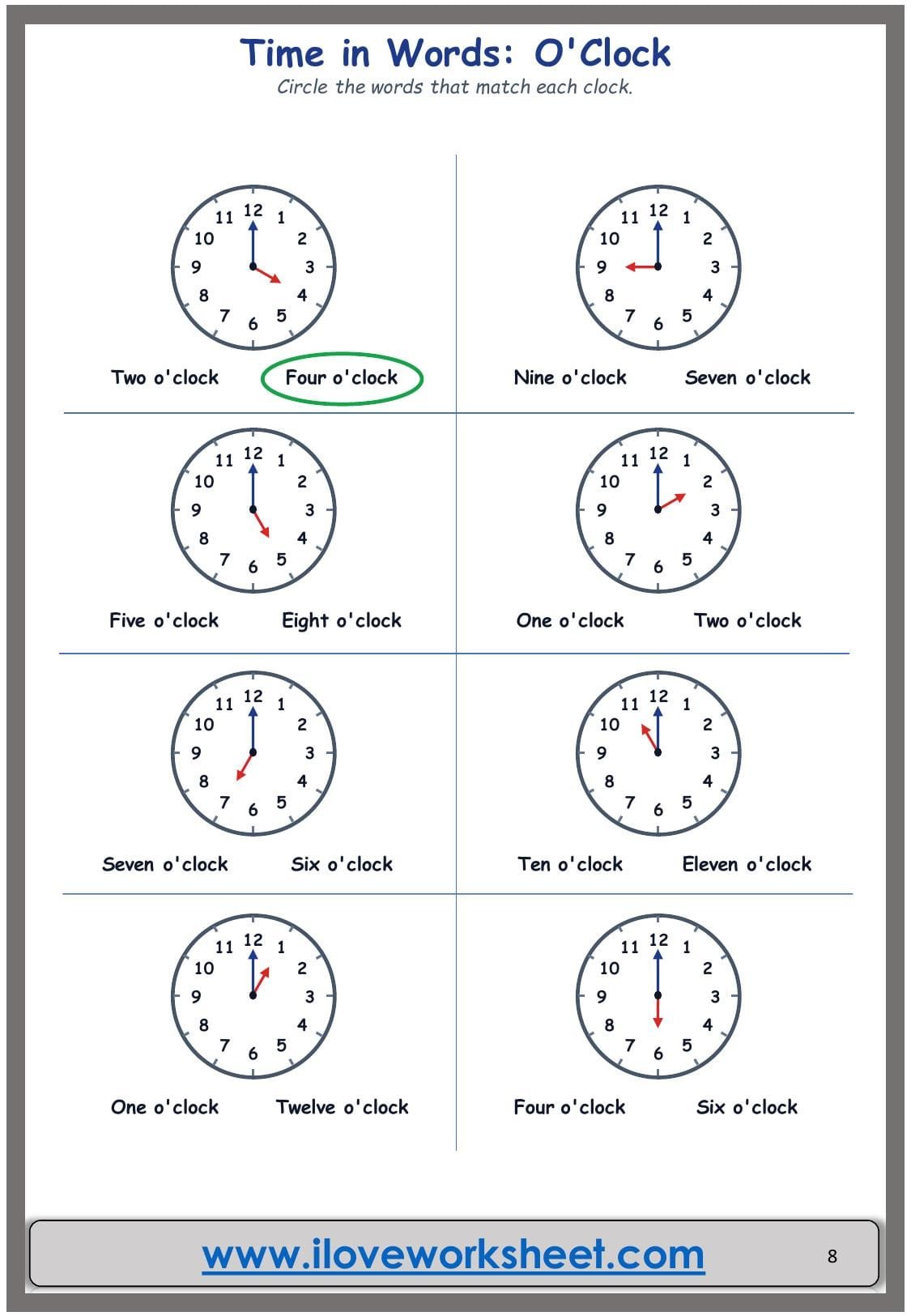
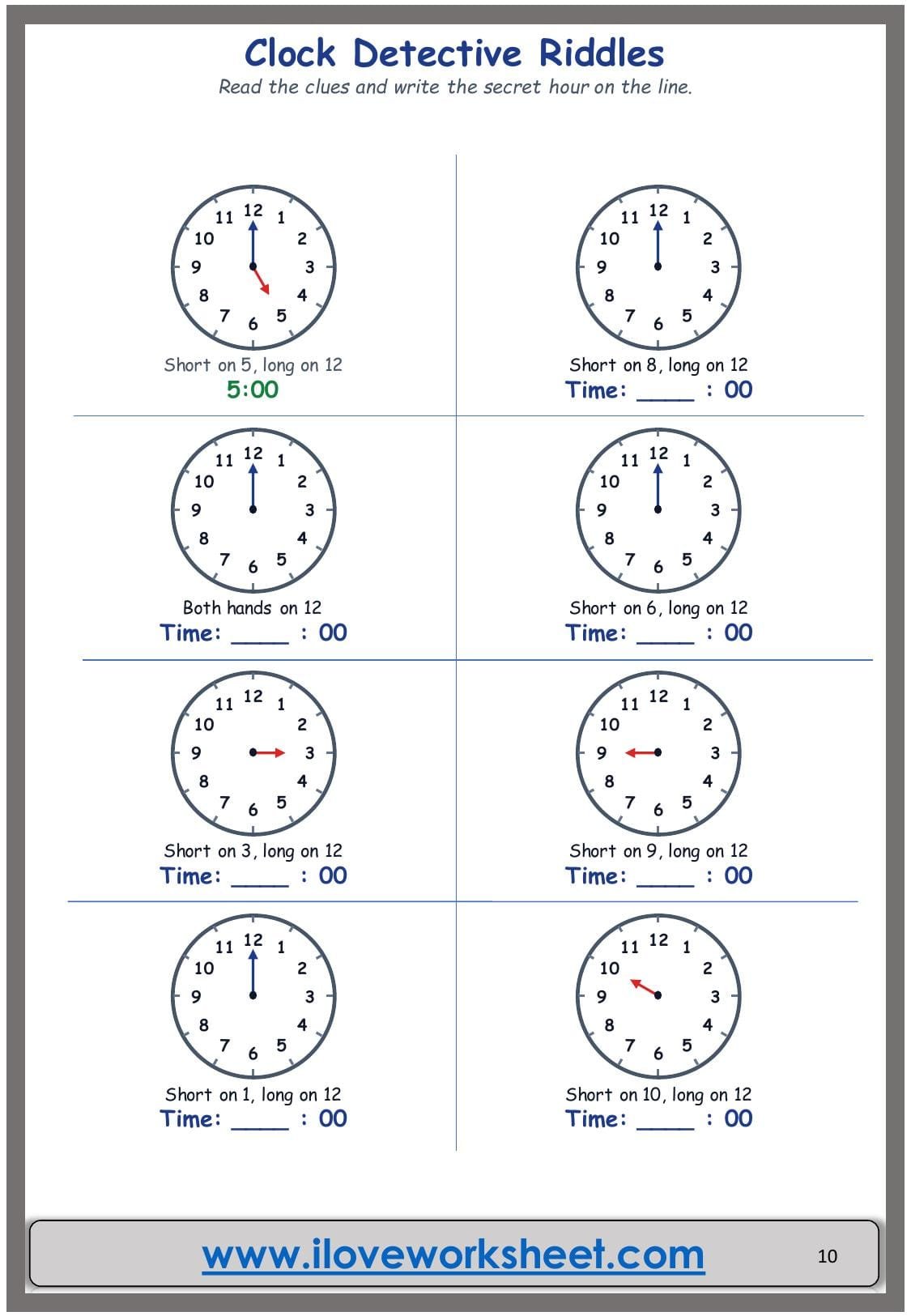
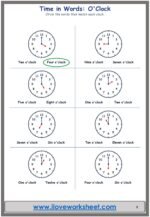
Conversely, an analog clock face functions as a dynamic visual representation of mathematical proportions. The circular dial embodies complete rotational cycles, establishing foundational intuitions for angle measurement, circular geometry, fractions, and modular arithmetic. When kindergarten and first-grade students observe the long minute hand pointing vertically toward the twelve while the short hour hand aligns directly with a designated numeral, learners absorb two essential principles simultaneously: the fixed benchmark of the full hour (o’clock) and the relative spatial orientation of individual hours within a complete day.
Furthermore, dual-hand analog clocks cultivate critical visual discrimination skills. Emergent mathematicians learn to distinguish between the physical properties of the two indicators: length (short versus long), operational speed, and positional significance. High-contrast instructional printables that emphasize these distinctions through consistent color coding and clear vector lines significantly accelerate mastery among early elementary learners.
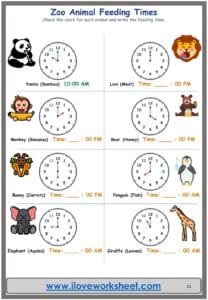
Instructional resources focused on hourly time telling align directly with state educational frameworks and the Common Core State Standards for Mathematics in primary elementary classrooms.
To achieve standard proficiency, classroom instruction incorporates progressive pedagogical tiers:
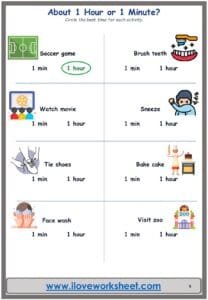
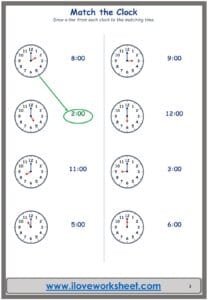
By establishing rigorous early familiarity with whole-hour benchmarks, elementary educators construct an enduring foundation that supports subsequent multi-digit addition, subtraction, regrouping, and complex elapsed-time word problems in later elementary grades.
Cognitive psychologist Jerome Bruner highlighted that optimal learning proceeds from concrete operational experiences toward iconic representations and ultimately symbolic abstraction. Time concepts gain immediate relevance when connected to the predictable rhythm of a child’s typical school day.
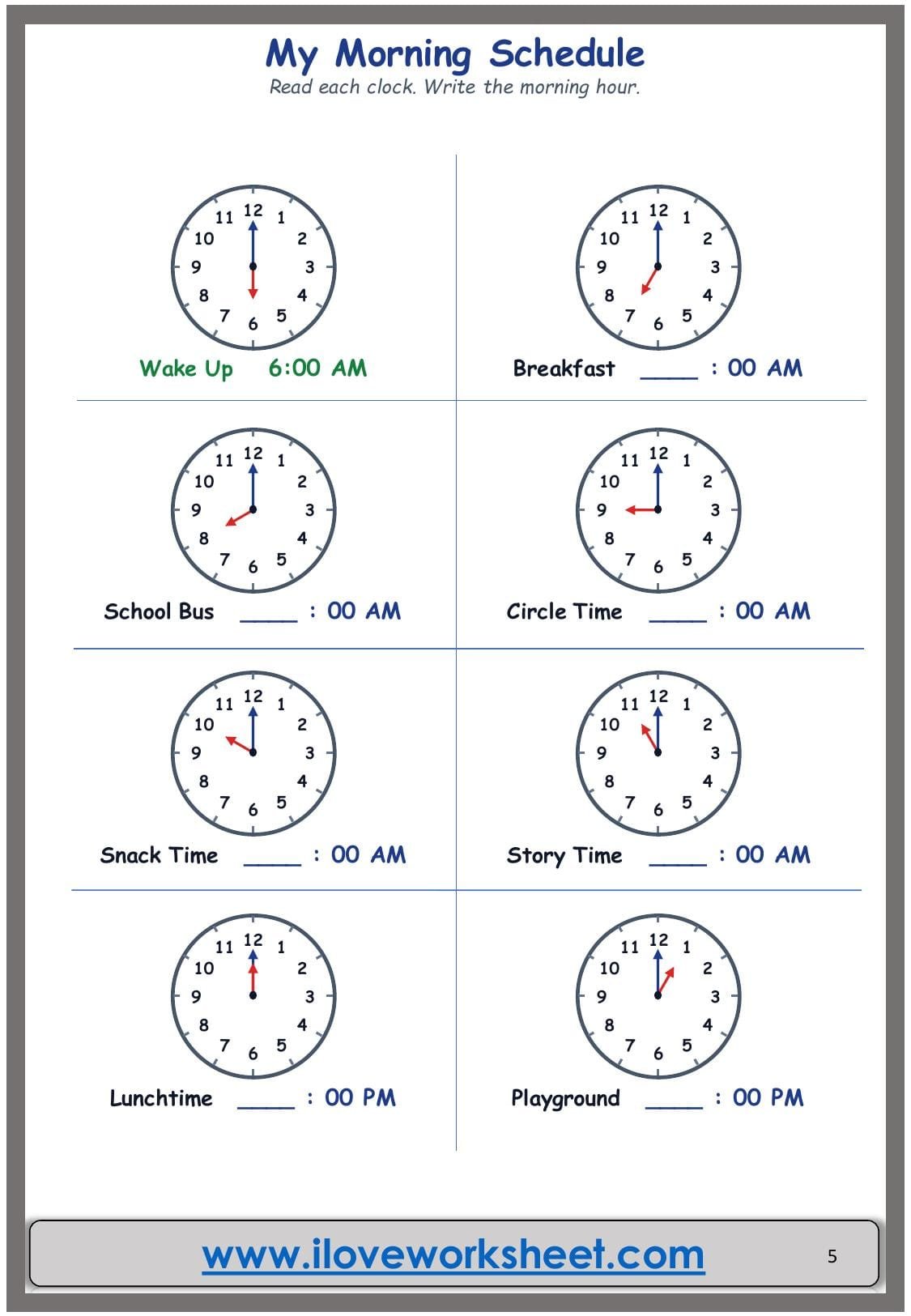
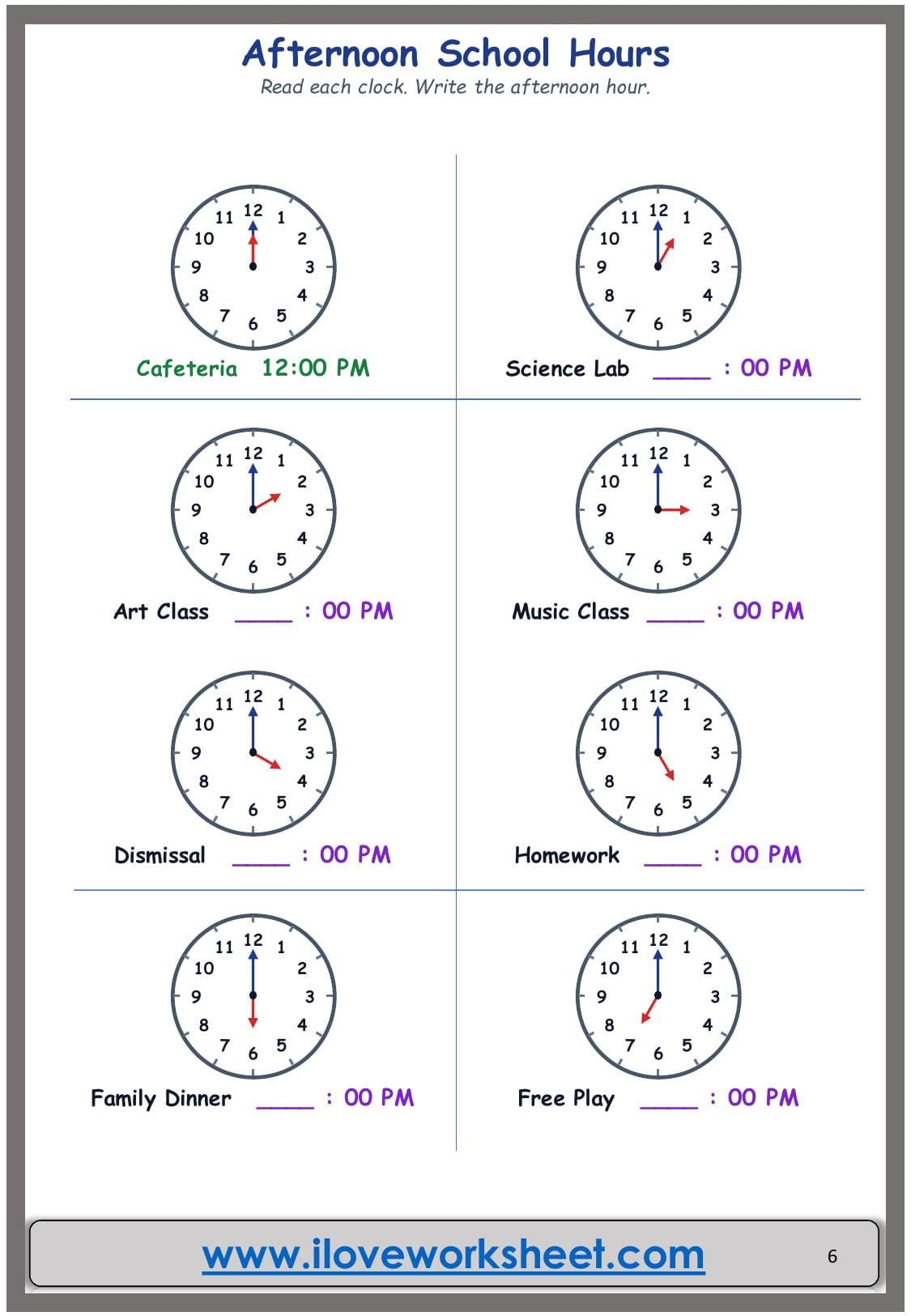
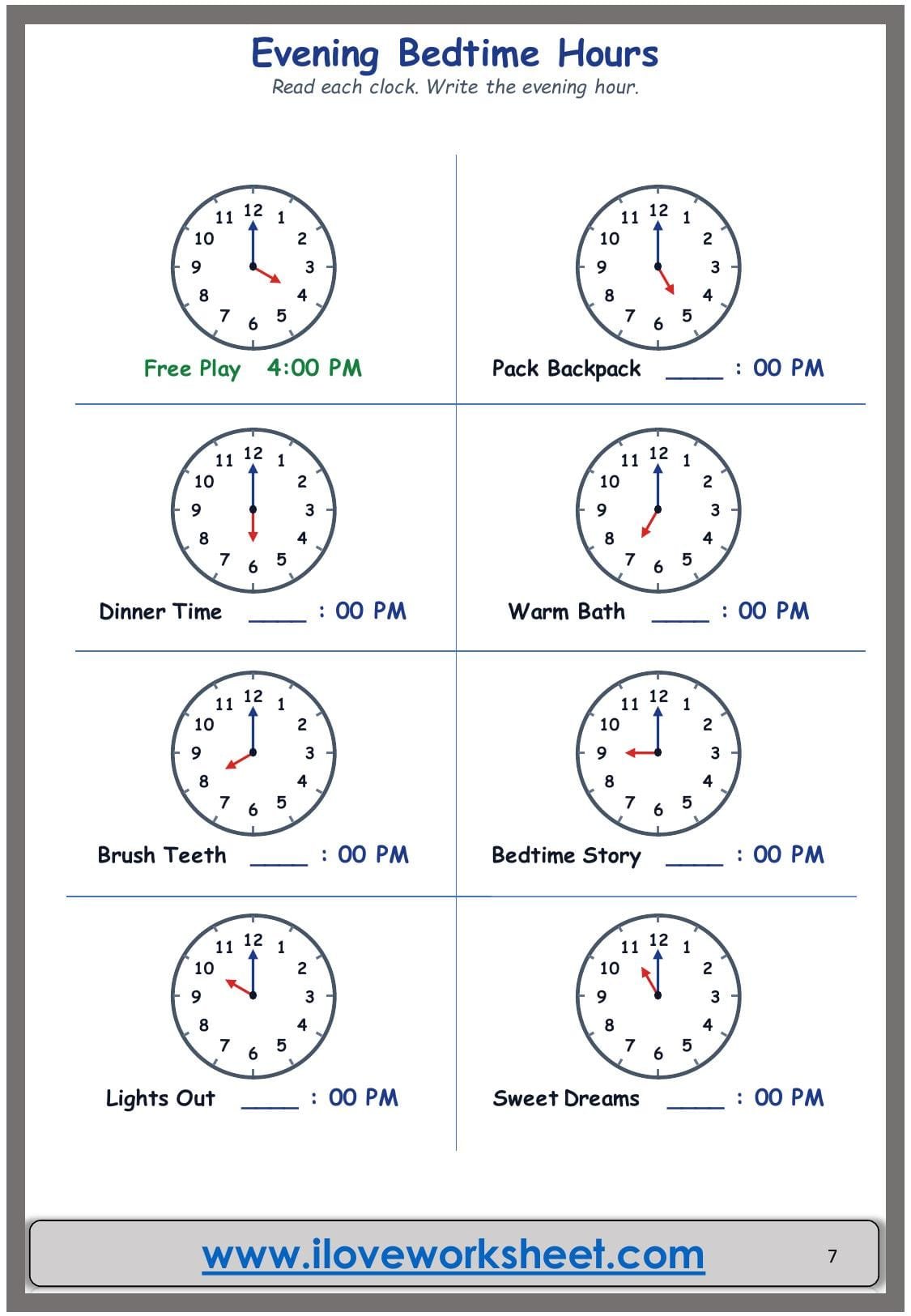
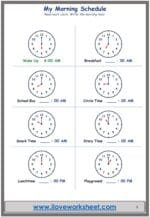
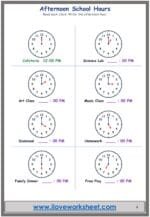
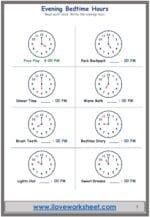
When worksheets depict contextual events such as morning circle time at nine in the morning, cafeteria lunch at noon, library exploration at two in the afternoon, and family dinner at six in the evening learners immediately associate mathematical numbers with personal experience. Contextual storytelling transforms repetitive drill into meaningful inquiry. Children recognize that seven o’clock denotes morning waking, whereas seven o’clock in the evening signifies approaching bedtime. This natural integration of morning and evening intervals fosters early comprehension of twelve-hour cycles without imposing premature cognitive confusion regarding twenty-four-hour international notation.
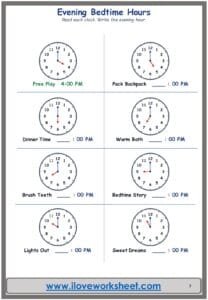
The visual architecture of elementary mathematics printables directly determines student focus, confidence, and task persistence. Young children frequently encounter visual frustration when educational sheets suffer from typographic clutter, overlapping graphic elements, or excessive administrative headers. Eliminating non-instructional testing fields such as grading scores and evaluation blanks maintains an inviting, non-threatening atmosphere centered on exploratory learning.
Child-friendly typography mirrors early handwriting instruction. The selection of Comic Sans MS provides rounded, open single-story letterforms that prevent typographic confusion common with ornate serif fonts. Generous whitespace surrounding vector clock faces ensures that small fingers can comfortably draw short hour hands without visual collision. Accompanying each worksheet with an explicit, fully solved initial example provides an immediate perceptual anchor, reducing instructional anxiety and allowing independent completion across diverse classroom learning profiles.