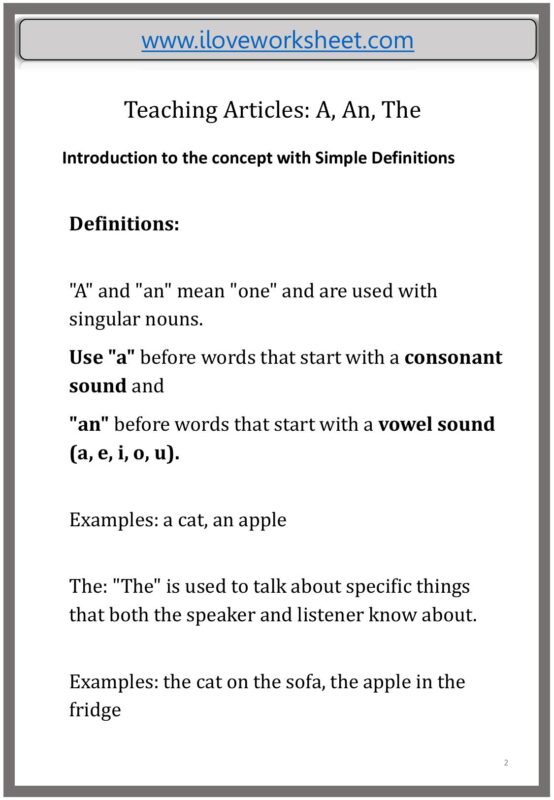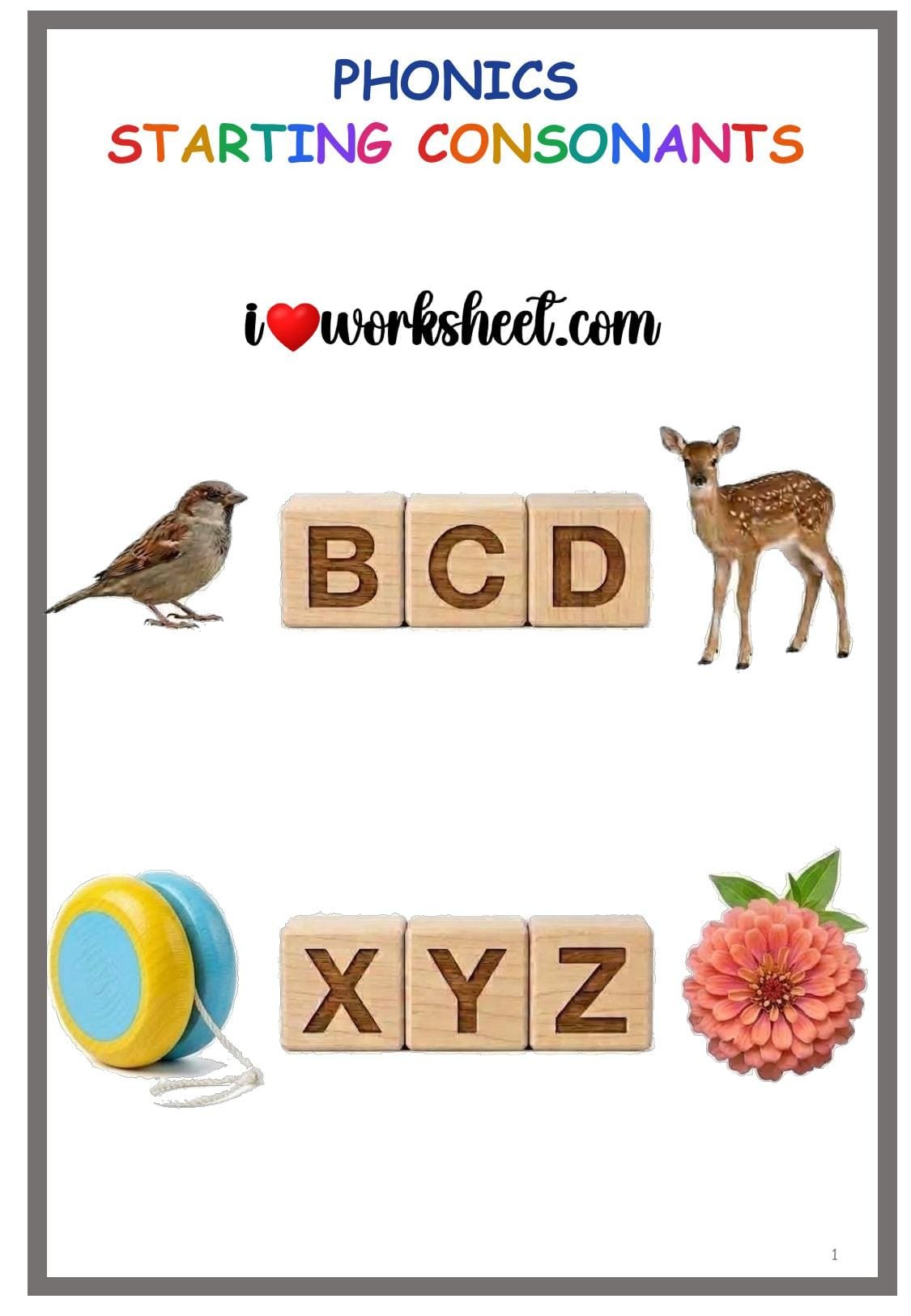
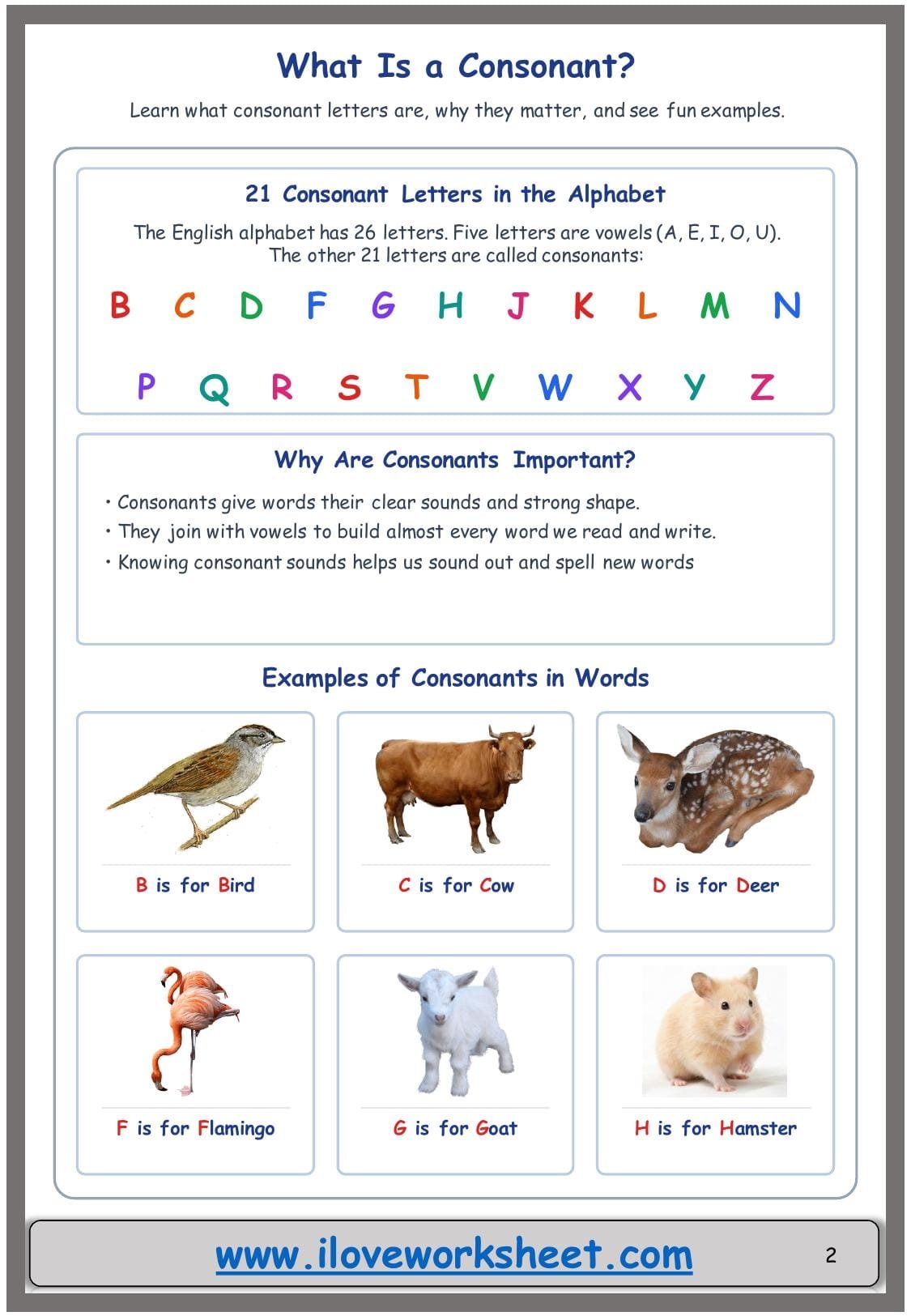
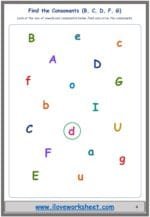

Learning to read in English begins when young children notice the individual sounds that letters make inside spoken words. The English alphabet holds twenty-six letters in total, and those letters split into two groups: vowels and consonants. Only five letters are vowels: A, E, I, O, and U. All of the other twenty-one letters in the alphabet are consonants: B, C, D, F, G, H, J, K, L, M, N, P, Q, R, S, T, V, W, X, Y, and Z. In kindergarten classrooms across the United States, learning what a consonant is and hearing consonant sounds at the start of everyday words is one of the very first steps toward independent reading.
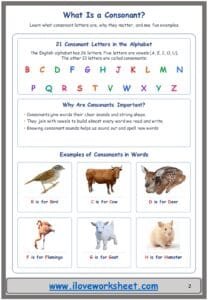
Consonant sounds are much easier for five-year-old and six-year-old learners to hear than vowel sounds because consonants have crisp, steady starting points. When a child says a word out loud, the very first sound that leaves the mouth sets the stage for the rest of the word. Hearing that first sound clearly and matching it to one of the twenty-one consonant letters gives young learners a simple, reliable way to unlock spoken and written language.
A simple way for young children to understand what makes a consonant special is to feel what happens inside the mouth when speaking. When a child makes a vowel sound like /a/ or /o/, the mouth stays open and air flows out freely without anything blocking the way. Consonant sounds work differently. Every consonant sound is made when the lips, teeth, or tongue touch or come close together to slow down or tap the air as it leaves the mouth.
Children can feel these movements right away. Pressing both lips together and popping them open makes the /b/ sound in bird and the /p/ sound in pineapple. Tapping the tip of the tongue right behind the top front teeth makes the /d/ sound in daisy and the /t/ sound in tractor. Resting the top teeth gently on the bottom lip while blowing air makes the /f/ sound in feather and the /v/ sound in vest. Because each consonant has a clear physical feeling on the lips, teeth, or tongue, kindergarteners can connect the sound they feel to the letter they see.
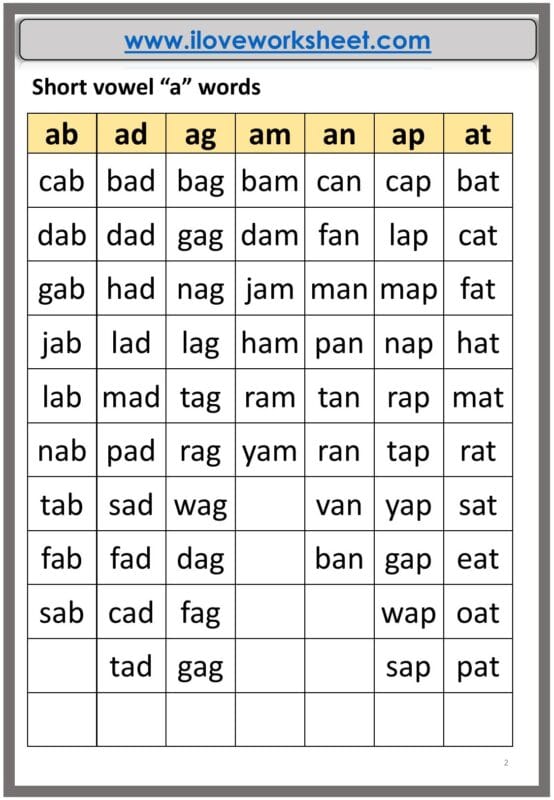
Consonants are super important because they give spoken and written words their shape and structure. If vowels are the glue that holds words together, consonants are the strong building blocks that make one word sound different from another. Take the short vowel sound /a/ as an example. By changing just the starting consonant in front of the same ending, a reader can build cat, bat, hat, mat, sat, and rat. Without strong knowledge of those starting consonants, all of those words would blur together.
Knowing consonant sounds also builds fast confidence during early book reading and beginner writing. When a child sees a new word in a picture book, looking at the first consonant letter right away narrows down what the word can be. In the same way, when a kindergartener wants to write a story or label a drawing, hearing the starting consonant sound allows the child to write down the first letter of almost any word independently.
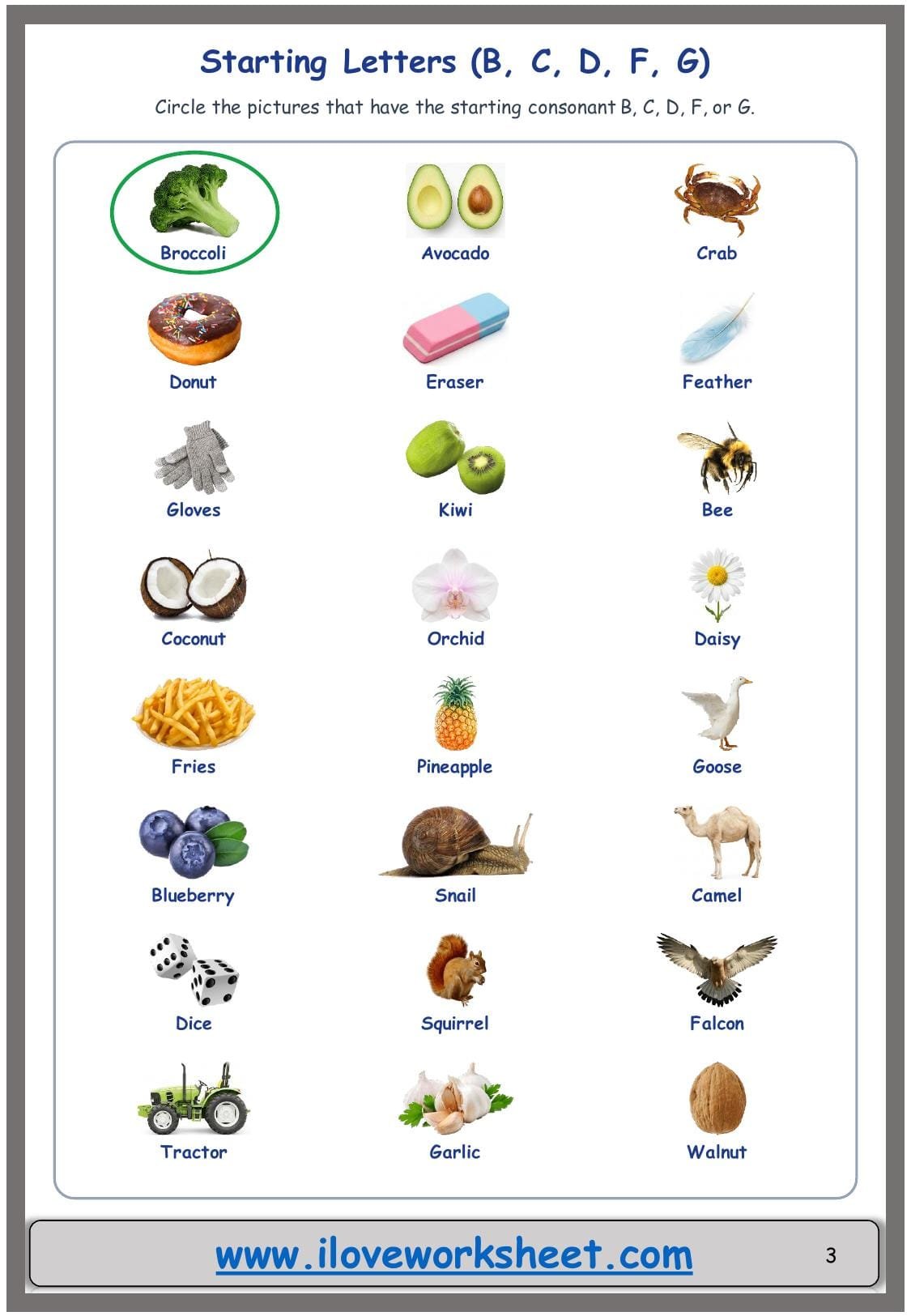
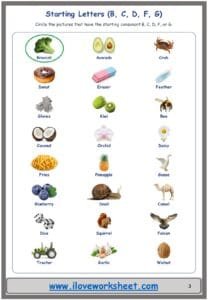
Because learning twenty-one consonants all at once can feel overwhelming for a five-year-old, breaking the consonant letters into smaller groups makes phonics practice calm and enjoyable. The first group of consonants in alphabetical order includes B, C, D, F, and G, skipping right past the vowels A and E. Each of these five letters makes a clear, familiar sound at the start of common objects and animals that children see in daily life.
For the letter B, children hear the popping /b/ sound at the start of bird, broccoli, bee, and blueberry. The letter C makes a crisp /k/ sound at the start of cow, camel, crab, and coconut. The letter D brings a tapping /d/ sound in deer, daisy, donut, and dice. Moving to F, learners feel the soft air of the /f/ sound in flamingo, feather, fries, and falcon. Finally, the letter G makes its steady /g/ sound at the front of goat, gloves, goose, and garlic.
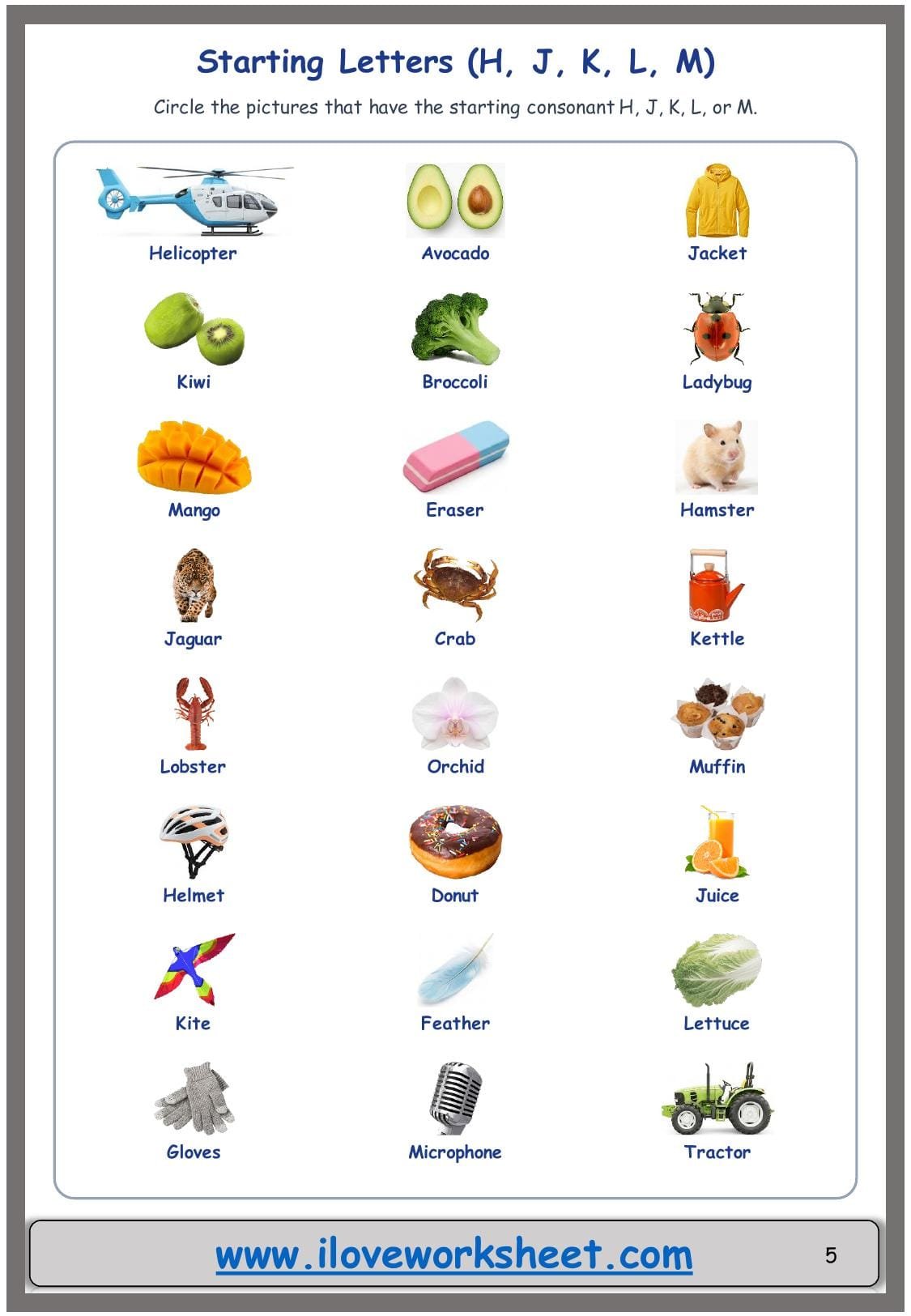
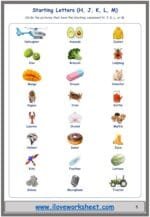
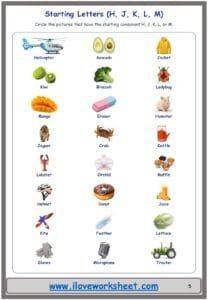
The next group of consonants, H, J, K, L, and M, introduces a wonderful mix of breathy, bouncy, and humming starting sounds. The letter H is made with a soft puff of warm air from the back of the mouth, just like the first sound in hamster, helicopter, and helmet. Right beside it, the letter J makes a lively, bouncing /j/ sound at the start of jacket, jaguar, and juice.
The letter K shares the crisp /k/ sound heard in kiwi, kettle, and kite. For the letter L, the tip of the tongue lifts behind the top teeth to sing out the smooth /l/ sound at the beginning of ladybug, lobster, and lettuce. Then the lips press softly together to hum the warm /m/ sound for the letter M in mango, muffin, and microphone. Saying these words aloud helps children notice how each consonant uses a different part of the mouth.
As children continue through the alphabet, the consonants N, P, Q, R, and S bring some of the most common starting sounds in the English language. The letter N makes a gentle nasal hum while the tongue rests behind the top teeth, heard clearly at the start of notebook, necklace, and noodles. The letter P gives a quick, quiet pop of air on the lips in words like pineapple, pumpkin, and parrot.
The letter Q almost always pairs with the letter U in English words to make the /kw/ sound heard at the beginning of queen, quilt, and quarter. For the letter R, the tongue curls slightly back to make the strong /r/ sound in radish, ribbon, and ruler. The letter S follows with a long, hissing snake sound (/s/) that children love to stretch out at the start of snail, squirrel, and scissors.
The final group of consonants, T, V, W, X, Y, and Z, completes all twenty-one consonant letters. The letter T makes a sharp, crisp tap of the tongue at the front of tractor, teapot, and trumpet. The letter V vibrates gently between the top teeth and bottom lip to start words like vest, volleyball, and vanilla. Rounding the lips forward creates the smooth /w/ sound for the letter W in waffle, walnut, and whistle.
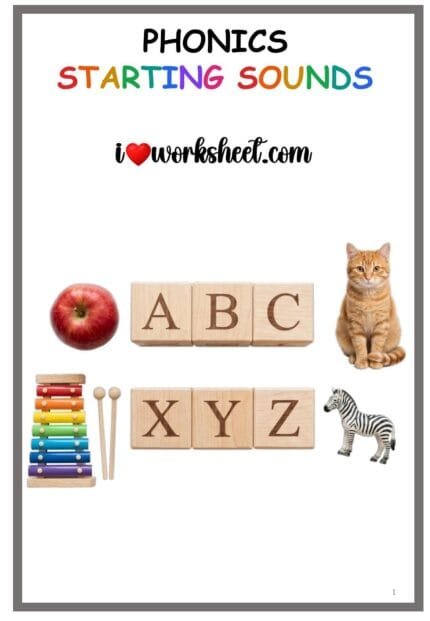
The last three consonants give young learners exciting, memorable sounds to practice. The letter X can make a buzzing or blended sound in words like xylophone and x-ray. The letter Y starts with a bright /y/ glide at the front of yo-yo and yam. Finally, the letter Z tickles the teeth with a lively buzzing /z/ sound at the beginning of zeppelin, zinnia, and zebra.
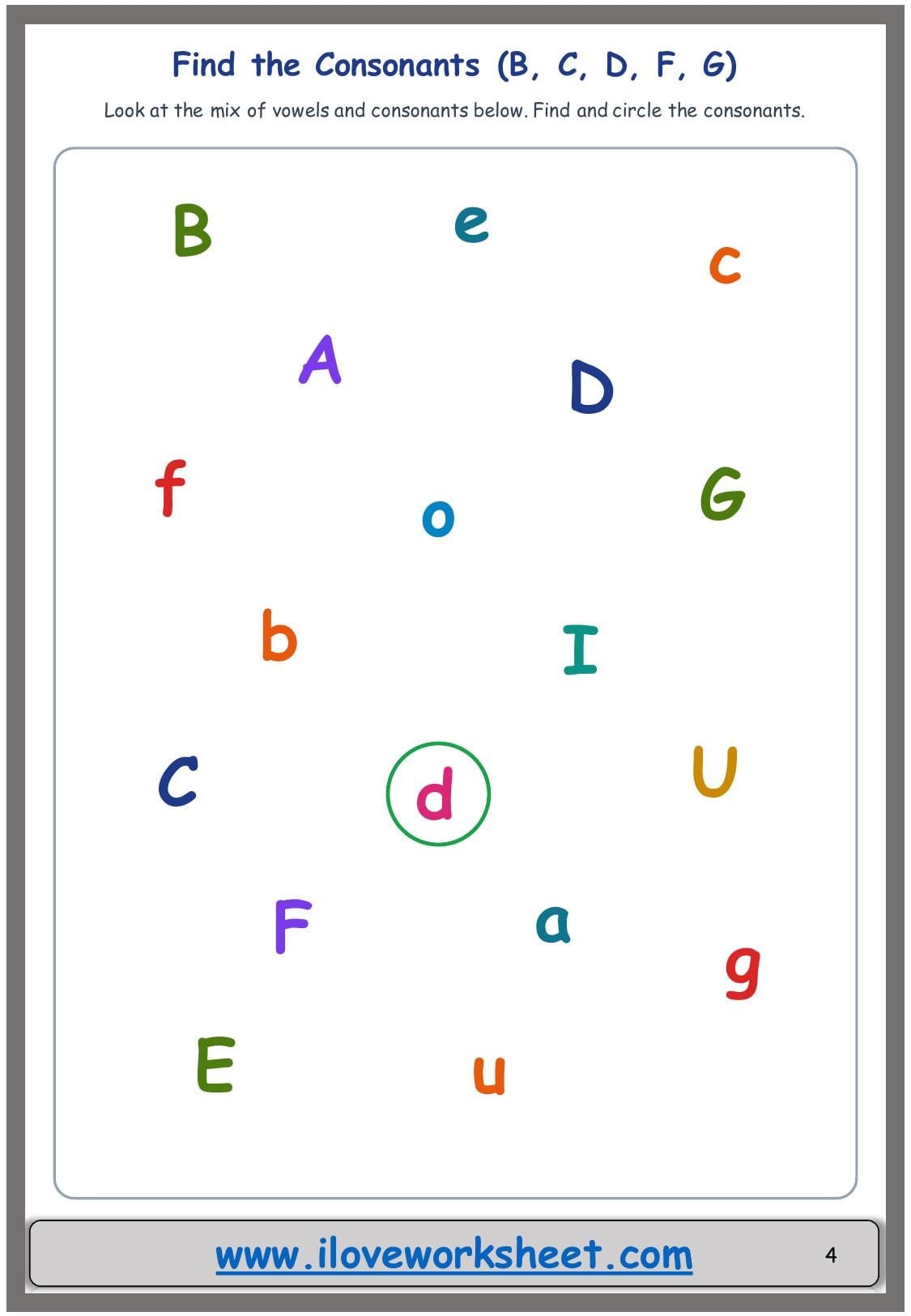
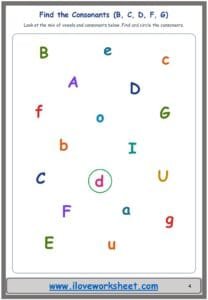
Along with hearing consonant sounds in spoken words, kindergarteners need to recognize consonant letters in print right away.
Mixing uppercase and lowercase consonants together with the vowels A, E, I, O, and U also sharpens visual discrimination. When children can spot consonant letters in any case and separate them from vowels at a glance, they build a rock-solid foundation for reading sentences and writing words in kindergarten.