
CVC words—short, simple words made up of a consonant–vowel–consonant pattern—are the foundation of early reading success. These words help young learners understand how letters and sounds connect, making them an essential part of any phonics curriculum. The CVC Words worksheet you provided offers a rich collection of short vowel word families, hands‑on activities, and cut‑and‑paste exercises that support reading fluency and confidence. In this page, we’ll explore what CVC words are, why they matter, and how worksheets like this one can transform early literacy learning.
CVC words are three‑letter words that follow a simple pattern:
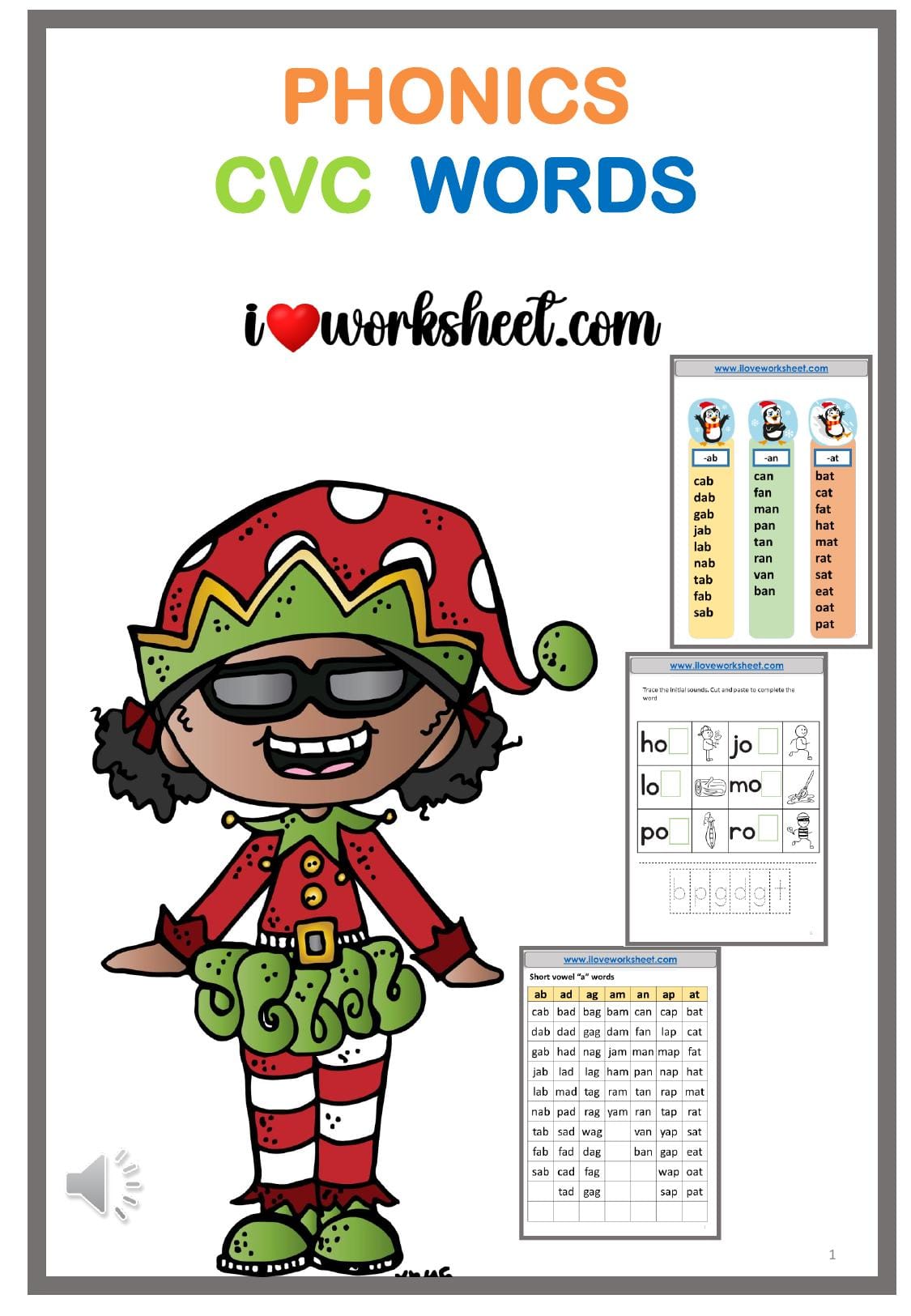
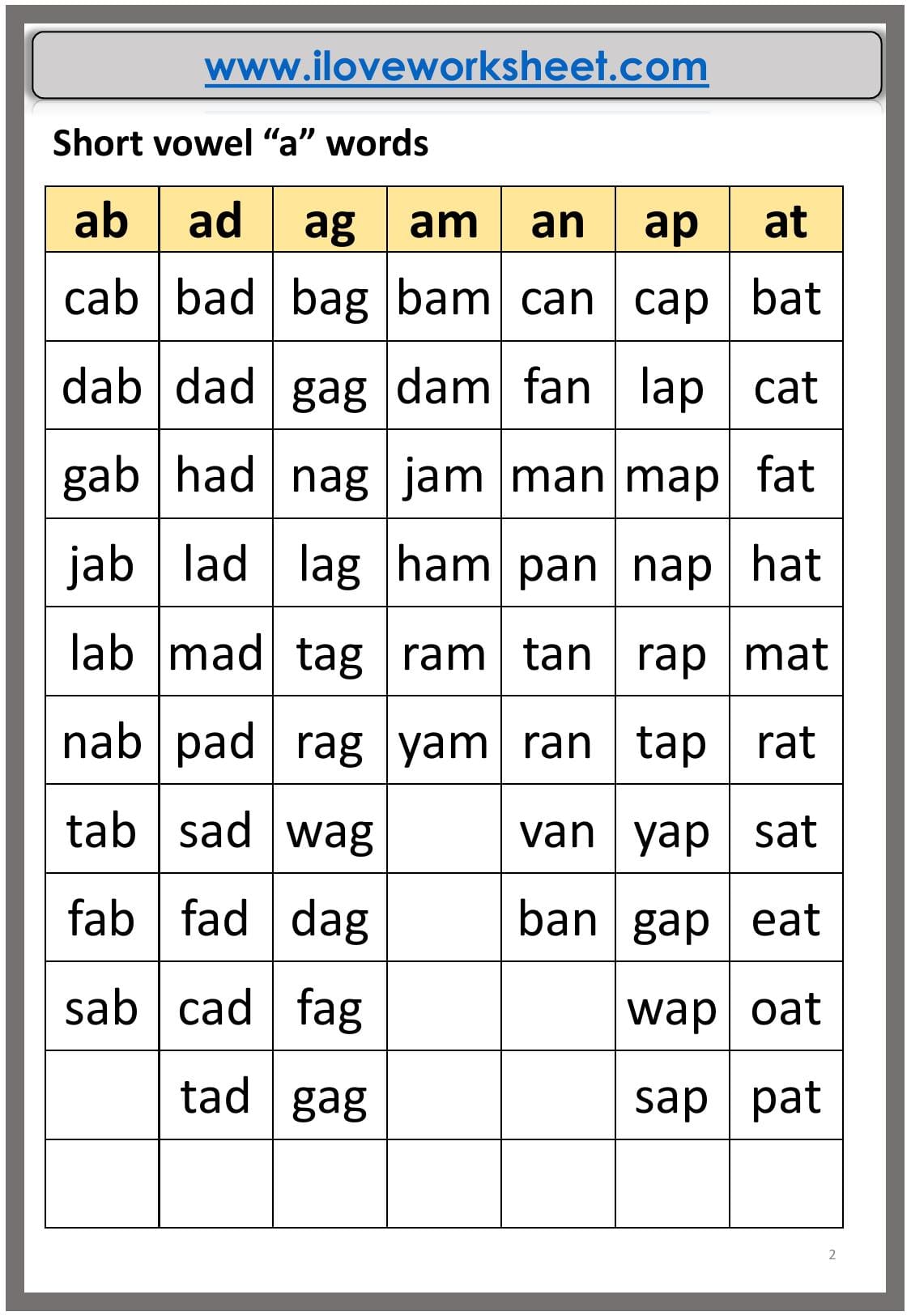
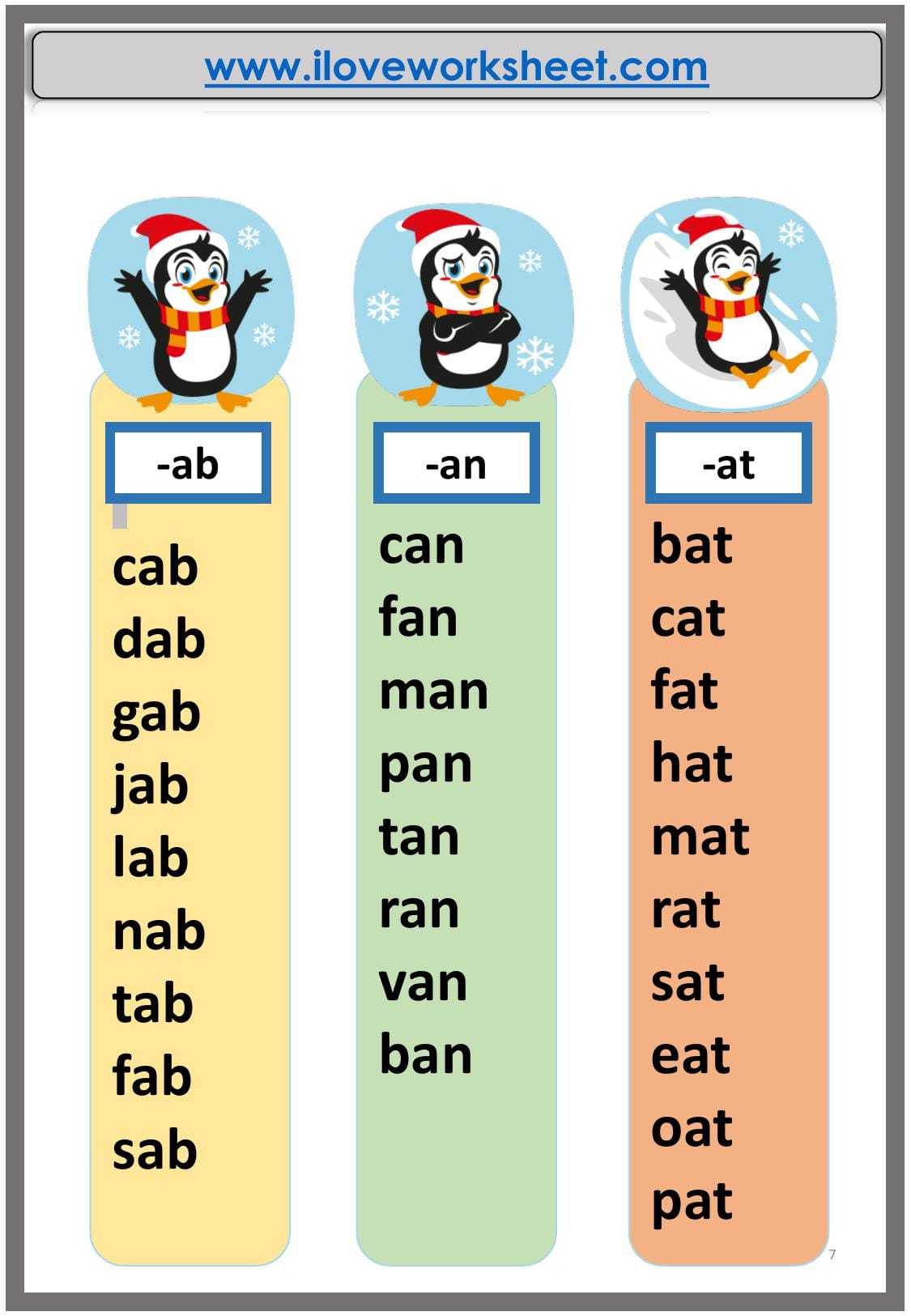
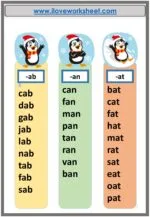
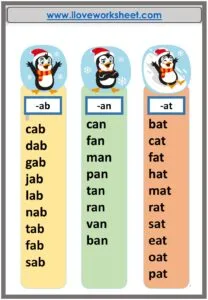
Examples include cat, bed, pig, hot, and sun. These words are easy to decode because each letter makes a predictable sound. In the worksheet, learners encounter dozens of examples, such as “cab, dab, gab, jab” in the –ab family and “can, fan, man, pan” in the –an family.
CVC words are a cornerstone of phonics instruction for several reasons:
Children learn that each letter represents a sound. For example, in the word bat, they can isolate /b/ + /a/ + /t/ and blend them.
Blending (putting sounds together) and segmenting (breaking sounds apart) are essential reading and spelling skills. CVC words are the perfect practice ground.
Because CVC words are predictable and decodable, children experience early success—motivating them to read more.
Mastering CVC patterns lays the groundwork for reading CVCC, CCVC, and multisyllabic words later on.
Your worksheet organizes CVC words by short vowel sounds—a, e, i, o, and u. This structure helps children recognize patterns and build vocabulary efficiently.
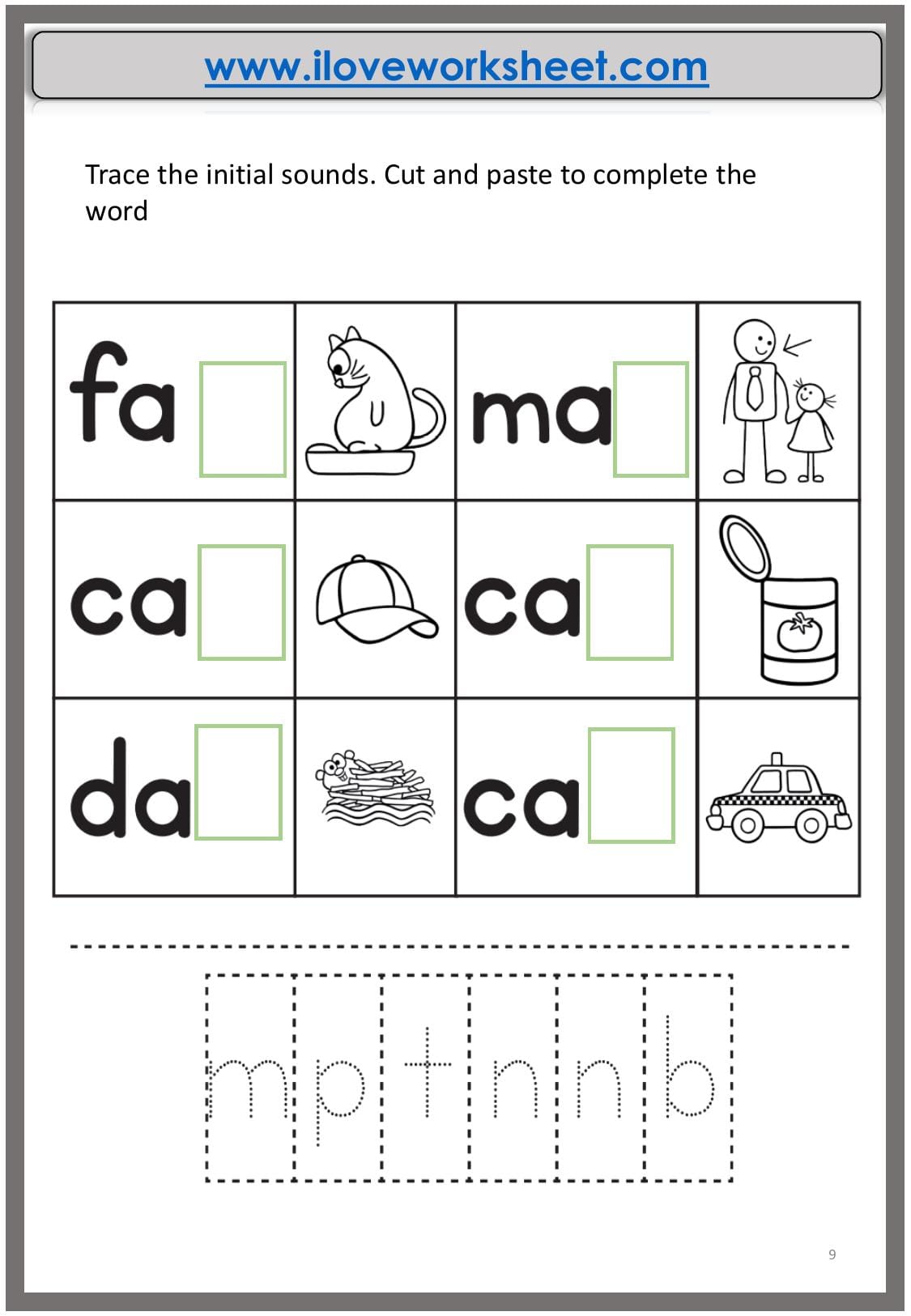
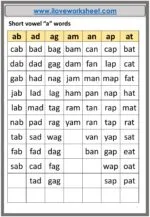
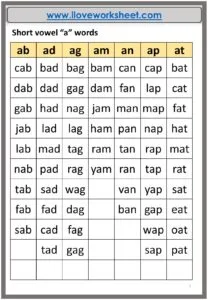
The worksheet includes a wide range of –ab, –ad, –ag, –am, –an, –ap, and –at families. Examples include:
These clusters help children see how changing just one letter can create a new word.
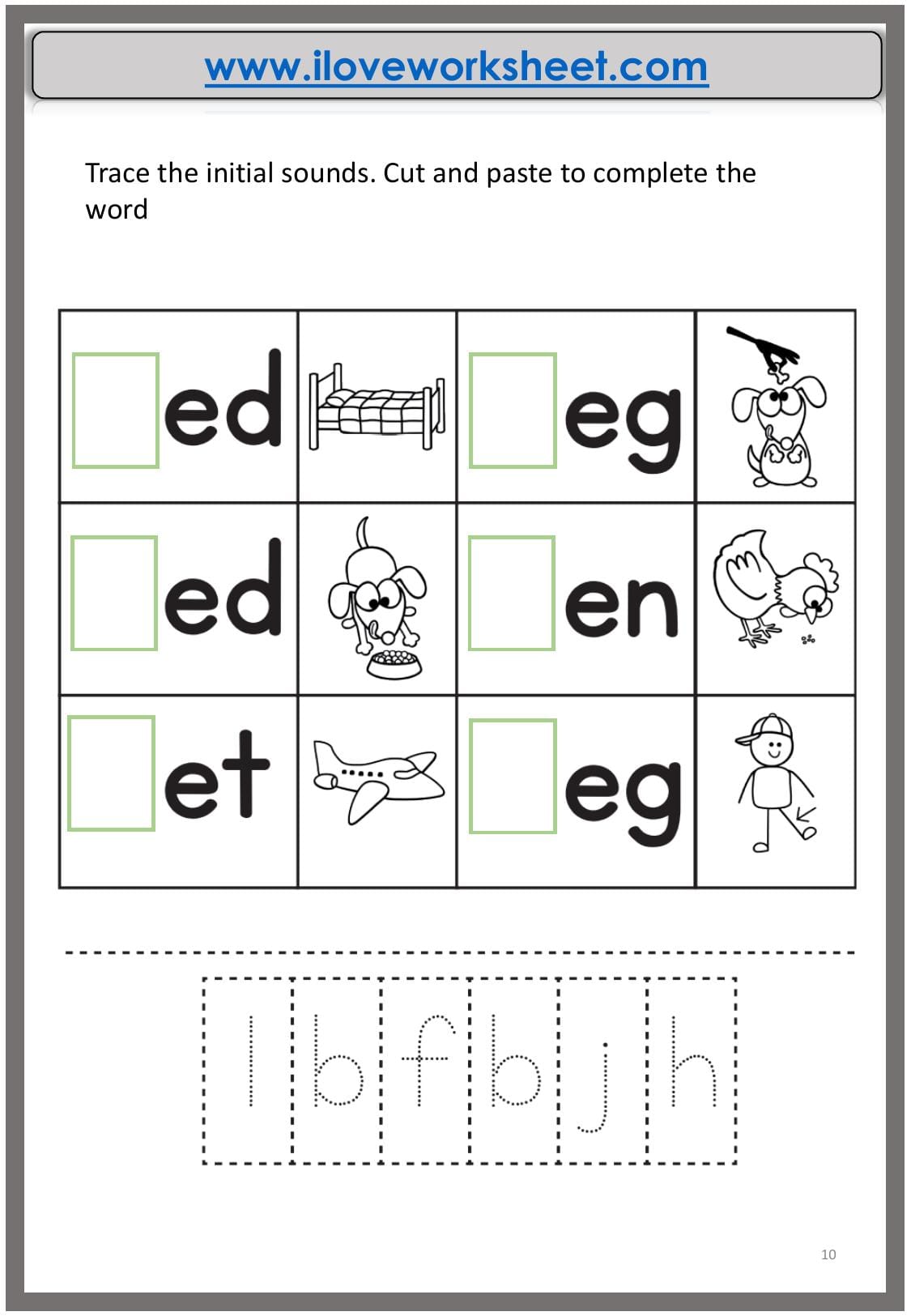
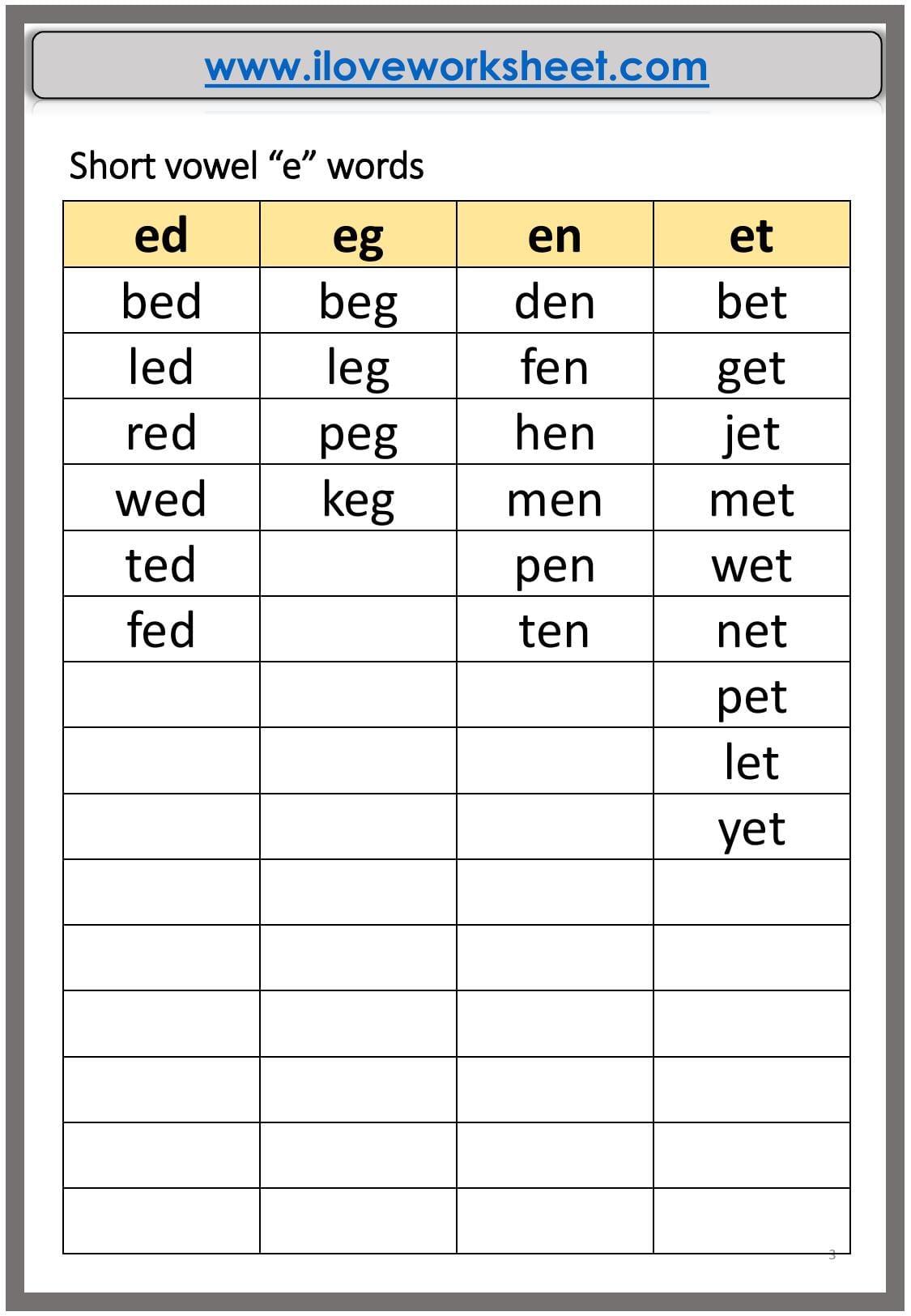
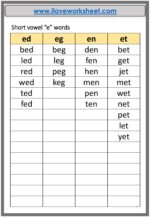
Learners practice –ed, –eg, –en, and –et families, including:
These words reinforce the short e sound, which can be tricky for early readers.
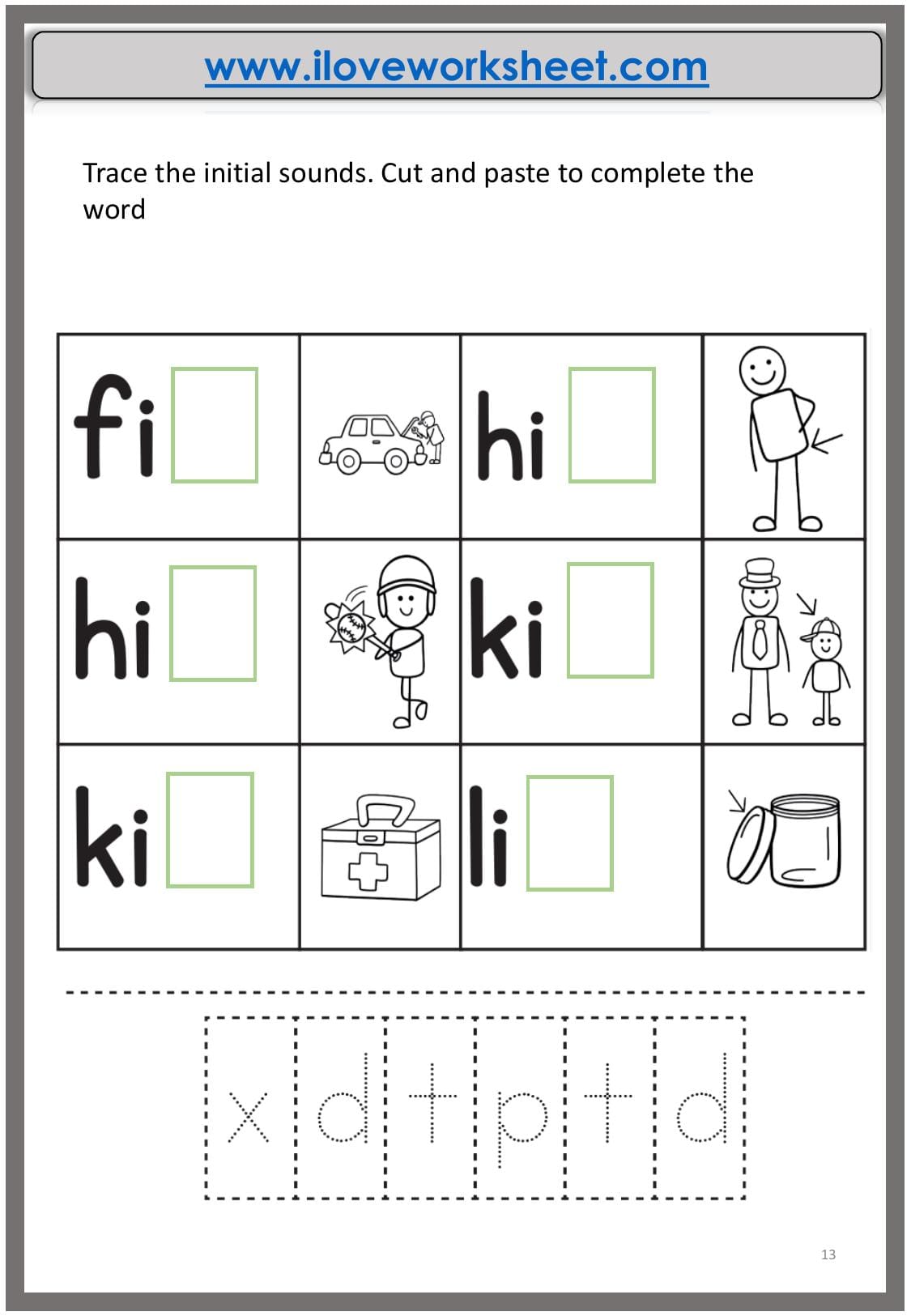
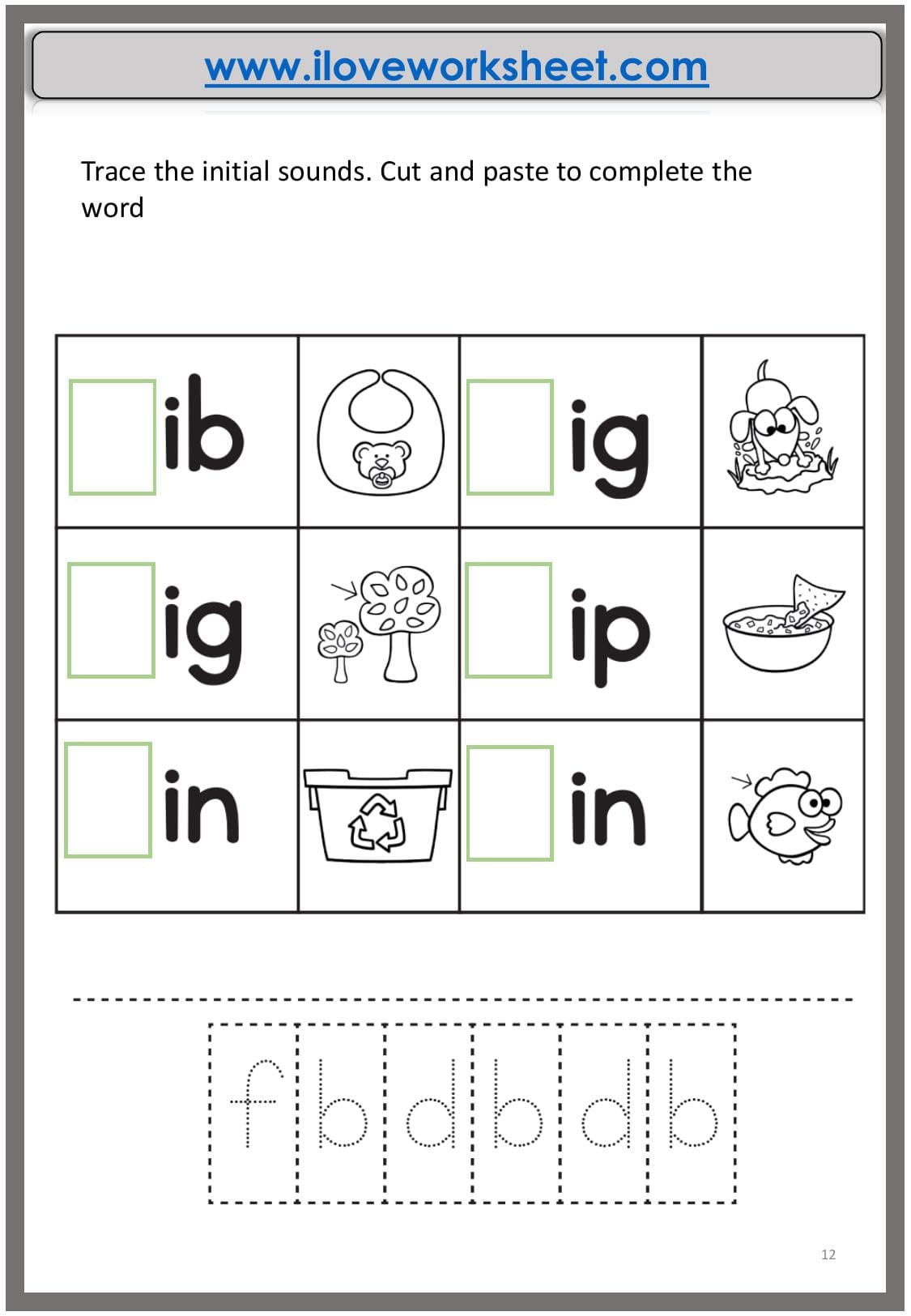
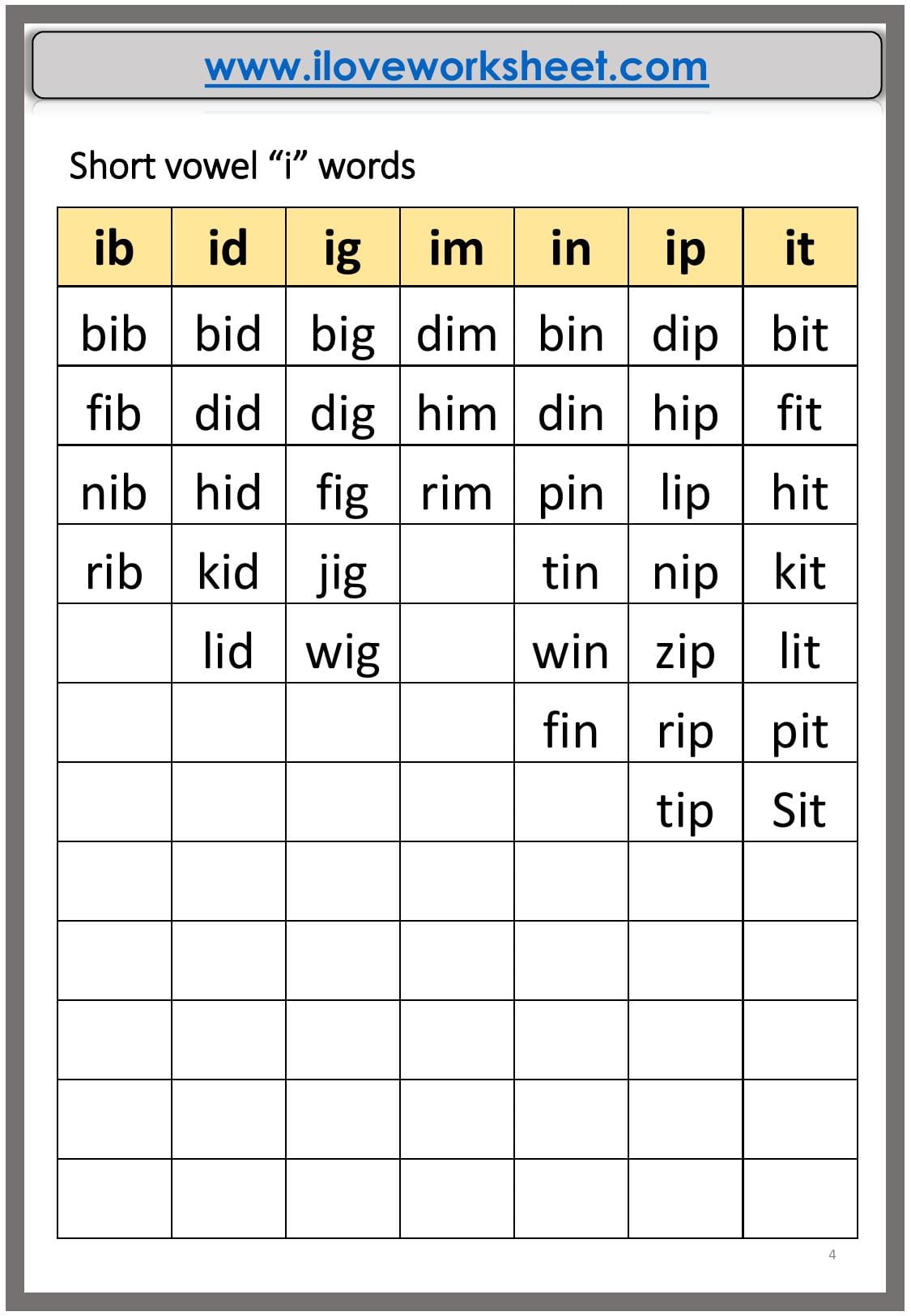
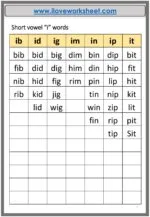
The worksheet features –ib, –id, –ig, –im, –in, –ip, and –it families:
These words help children distinguish between similar vowel sounds like i and e.
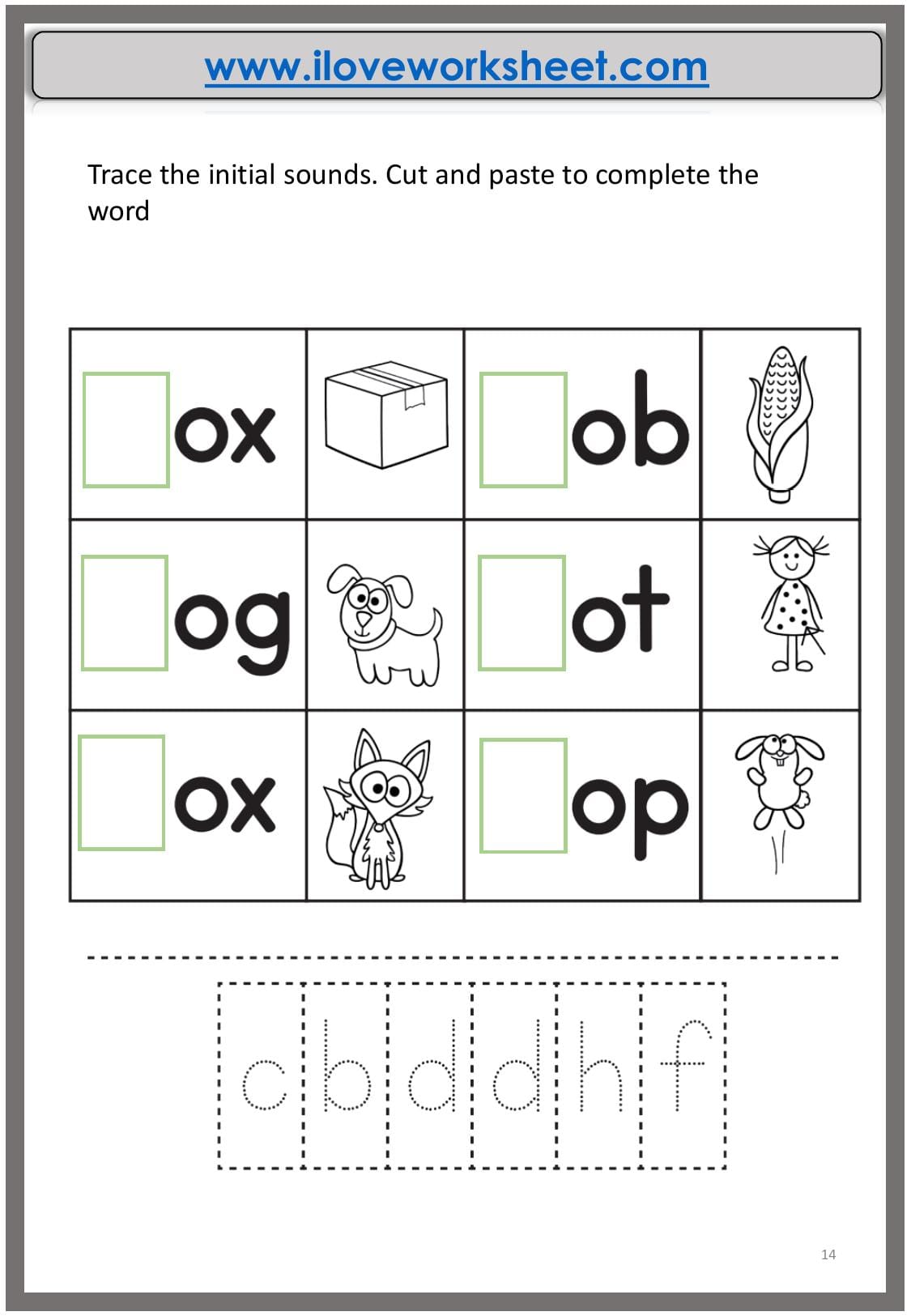
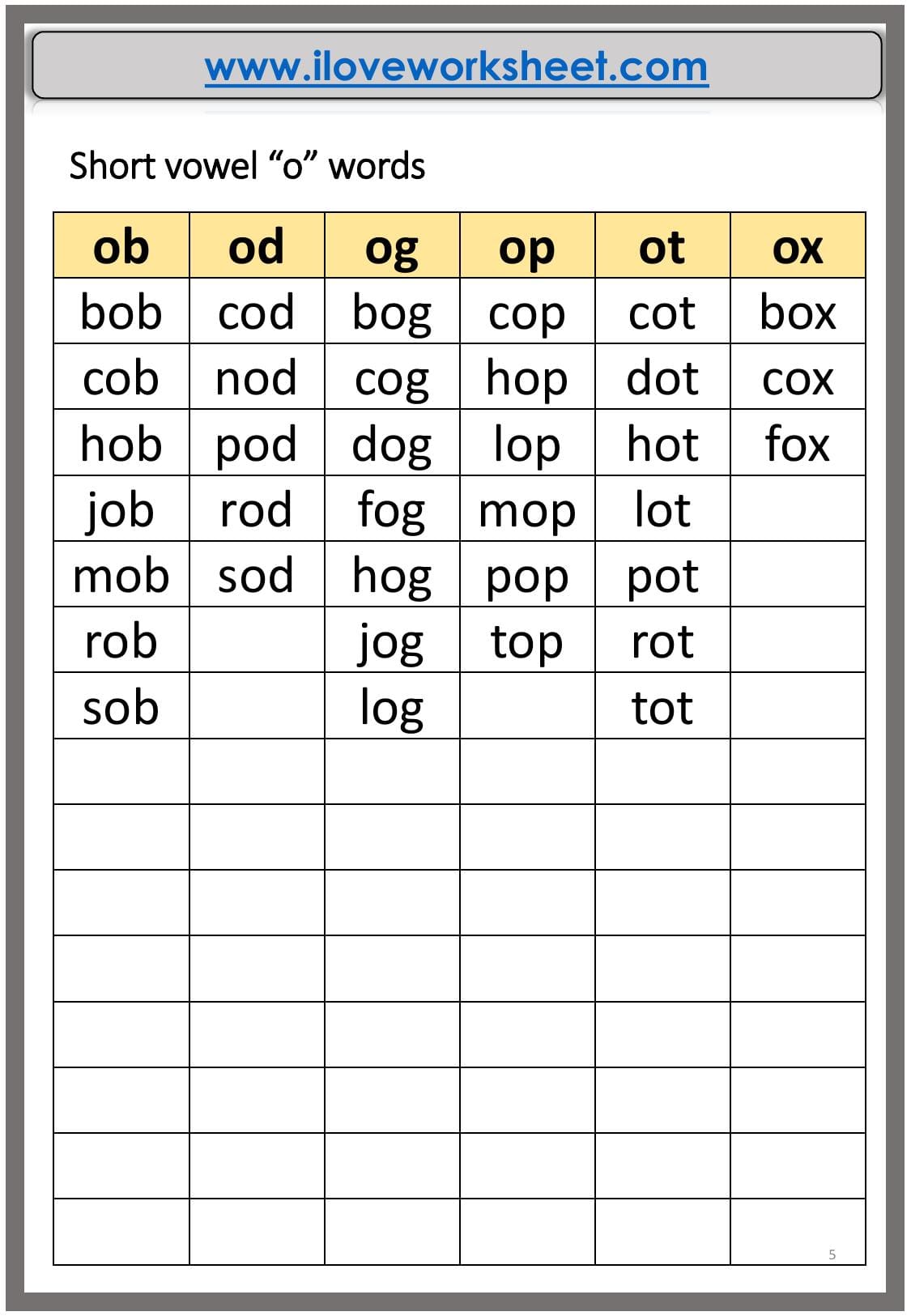
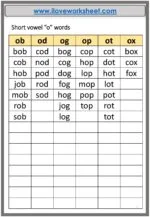
Learners explore –ob, –od, –og, –op, –ot, and –ox families:
Short o words are especially useful for practicing rounded vowel sounds.
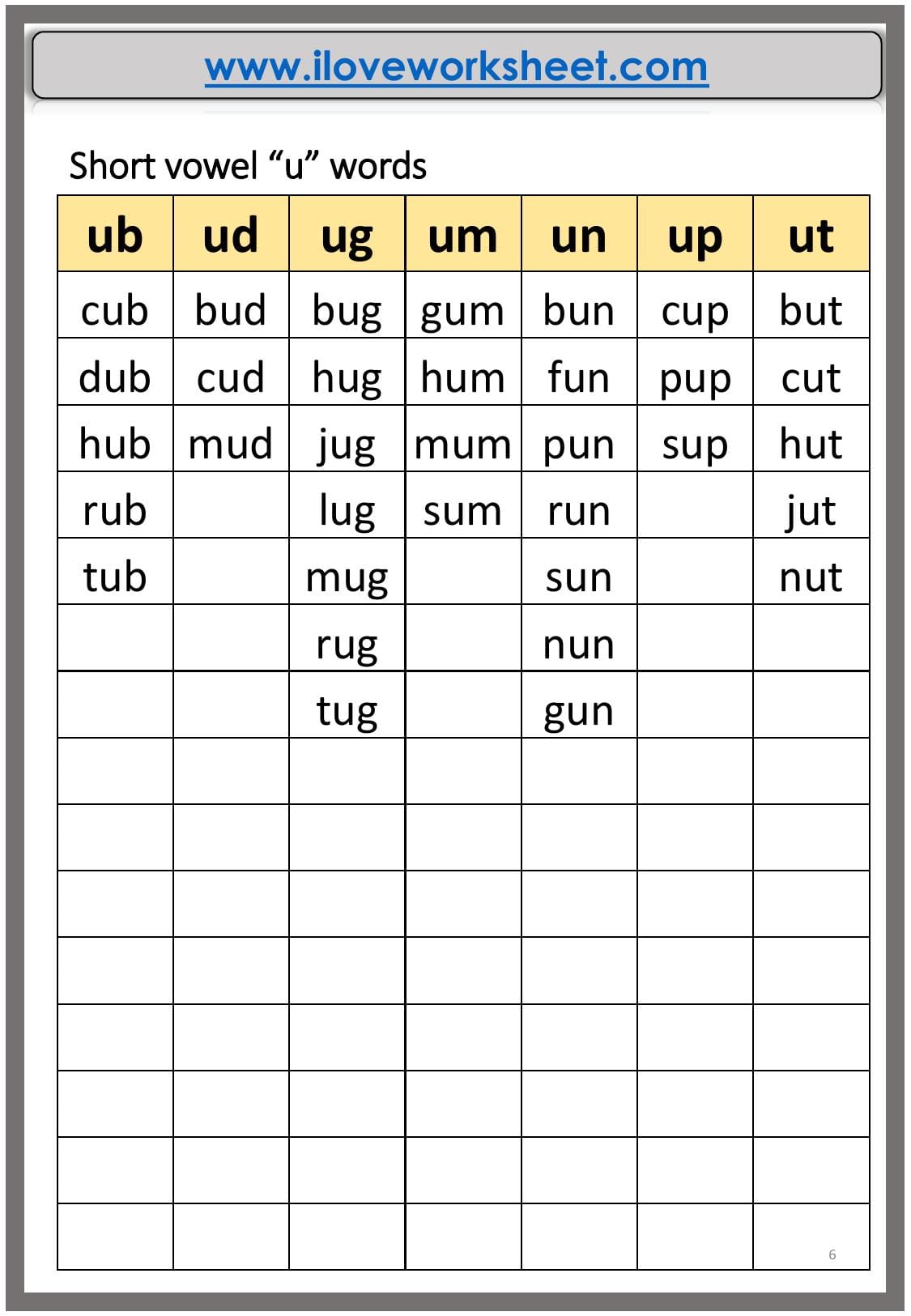
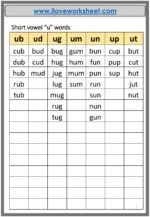
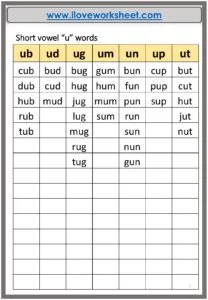
The worksheet includes –ub, –ud, –ug, –um, –un, –up, and –ut families:
These words help children master the short u sound, often one of the last vowels to solidify.
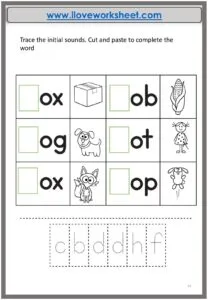
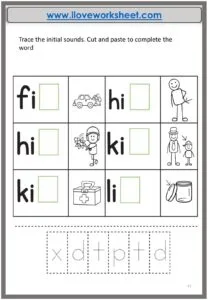
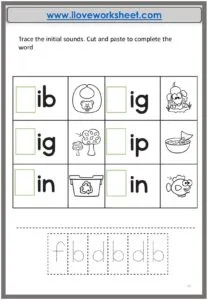
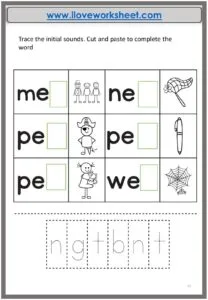
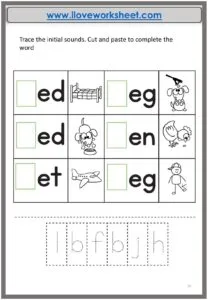
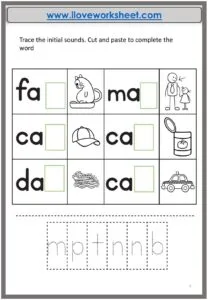
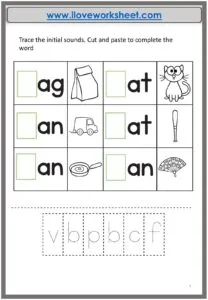
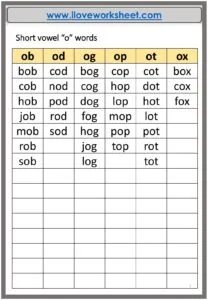
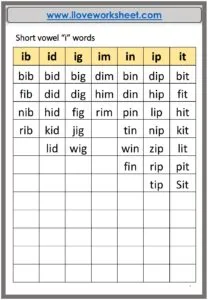
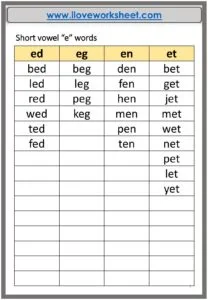
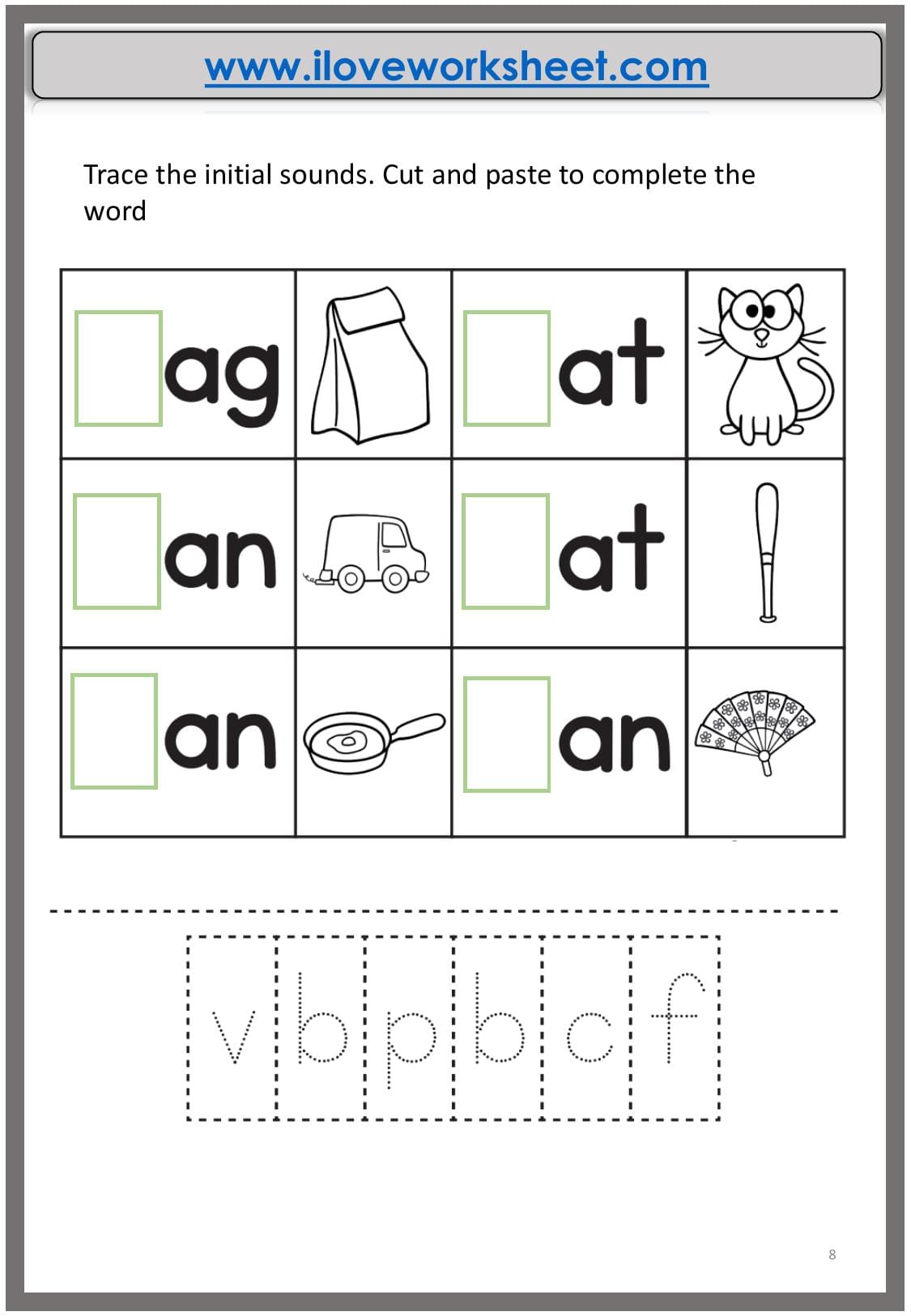
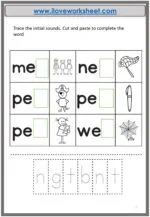
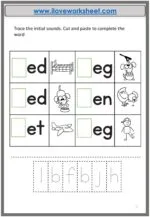
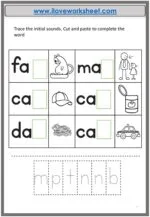
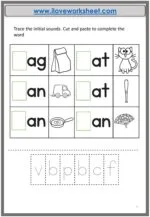
One of the strengths of the worksheet is its interactive approach. It includes trace‑the‑initial‑sound tasks and cut‑and‑paste activities that make learning multisensory and engaging.
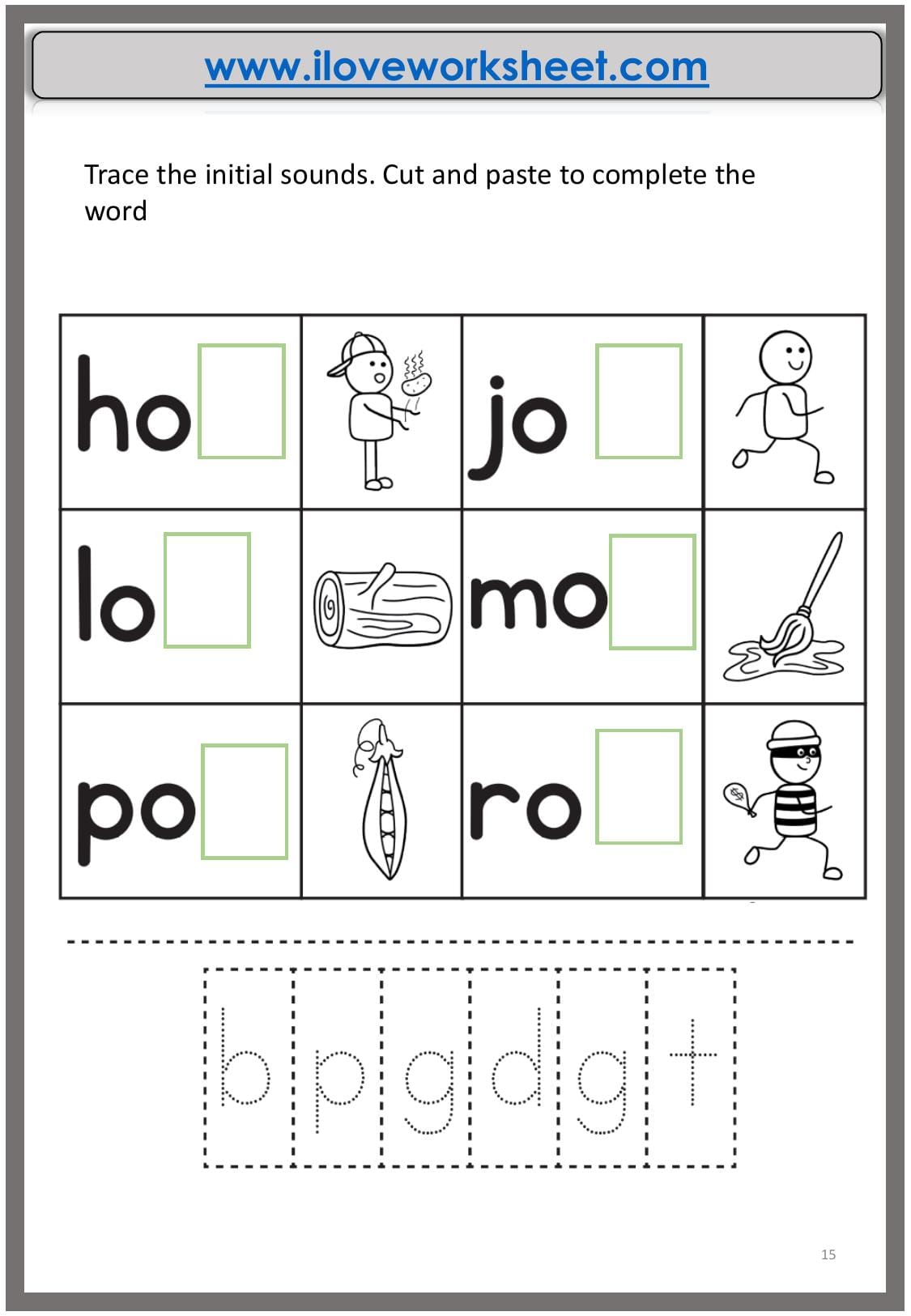
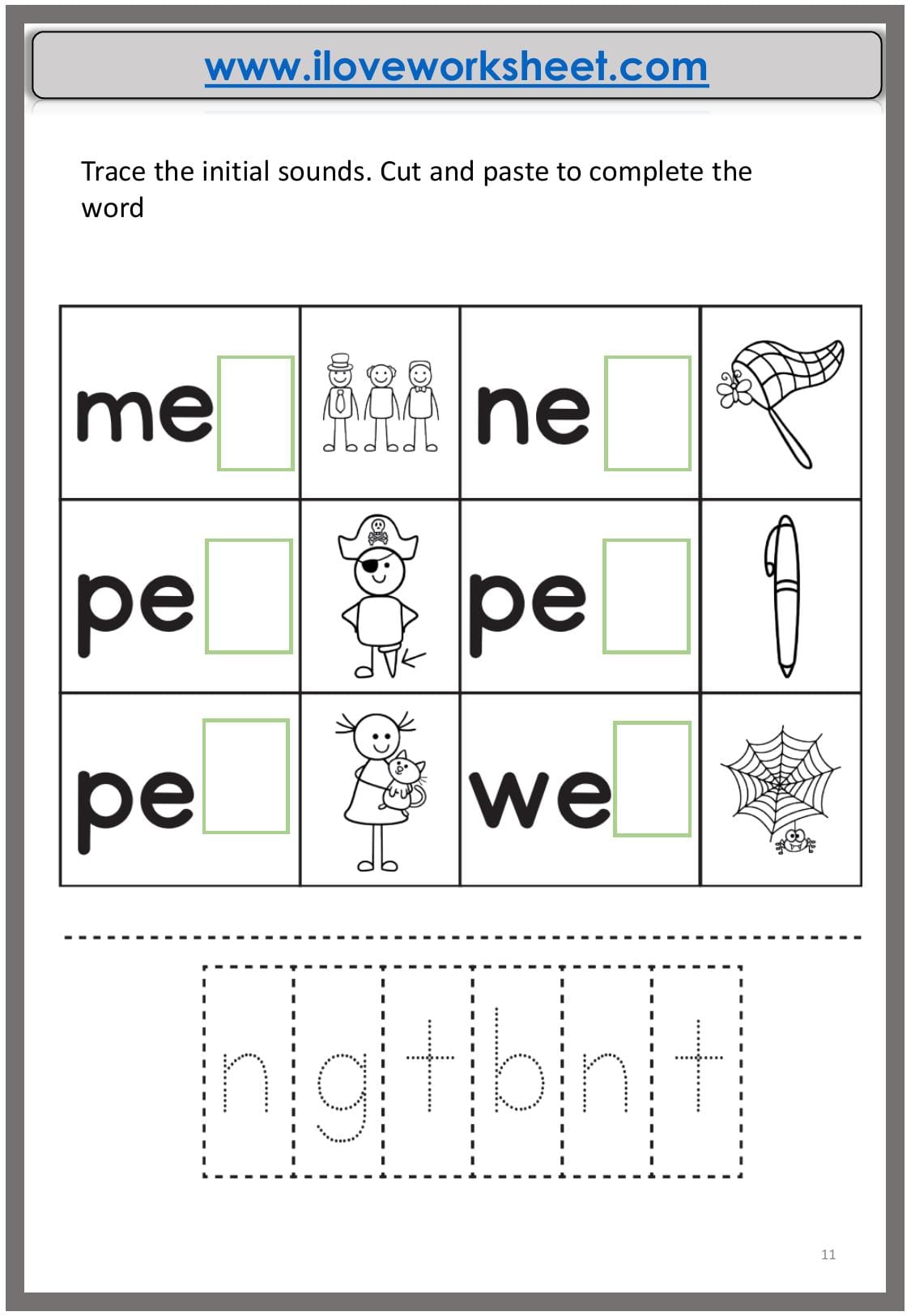
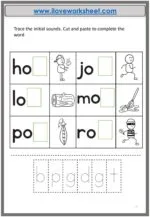
Learners trace the letters h, j, l, m, p, and r to complete words such as ho, jo, lo, and mo. This strengthens fine motor skills while reinforcing phonemic awareness.
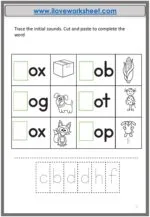
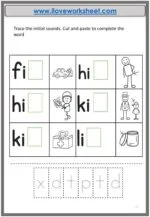
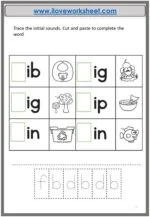
Children match initial consonants to word endings like –ag, –at, –an, –ed, –eg, –in, –ip, –ob, –og, –ot, –op, and more. For example, they might pair a missing consonant with “ag” to form bag or rag.
This tactile activity helps learners internalize spelling patterns.
The worksheet groups words visually by families, making it easier for children to compare and contrast patterns. Seeing “bat, cat, fat, hat” together reinforces the –at pattern instantly.
The worksheet progresses from simple lists to interactive tasks, giving learners repeated exposure to each vowel sound.
Because CVC words are decodable, children can often complete activities with minimal help—boosting confidence.
Tracing, cutting, and assembling words helps children connect reading with writing.
With dozens of word families included, learners expand their vocabulary quickly and naturally.
Introduce short a words first, then move to e, i, o, and u.
Five to ten minutes of focused practice is more effective than long sessions.
Guide children to say each sound slowly, then blend: /c/ /a/ /t/ → cat.
Pair words with images to deepen understanding.
Every decoded word is a step toward fluent reading.