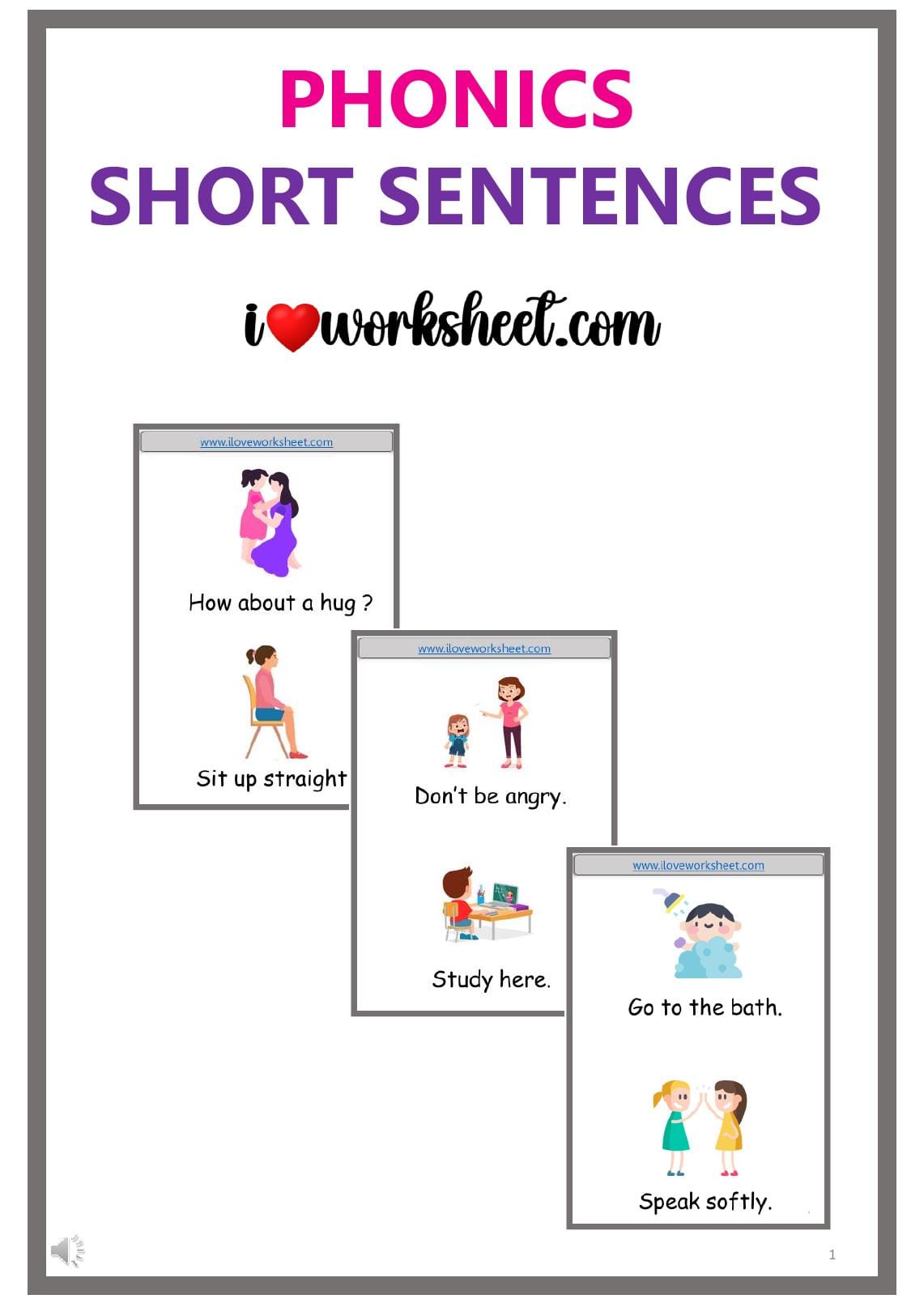
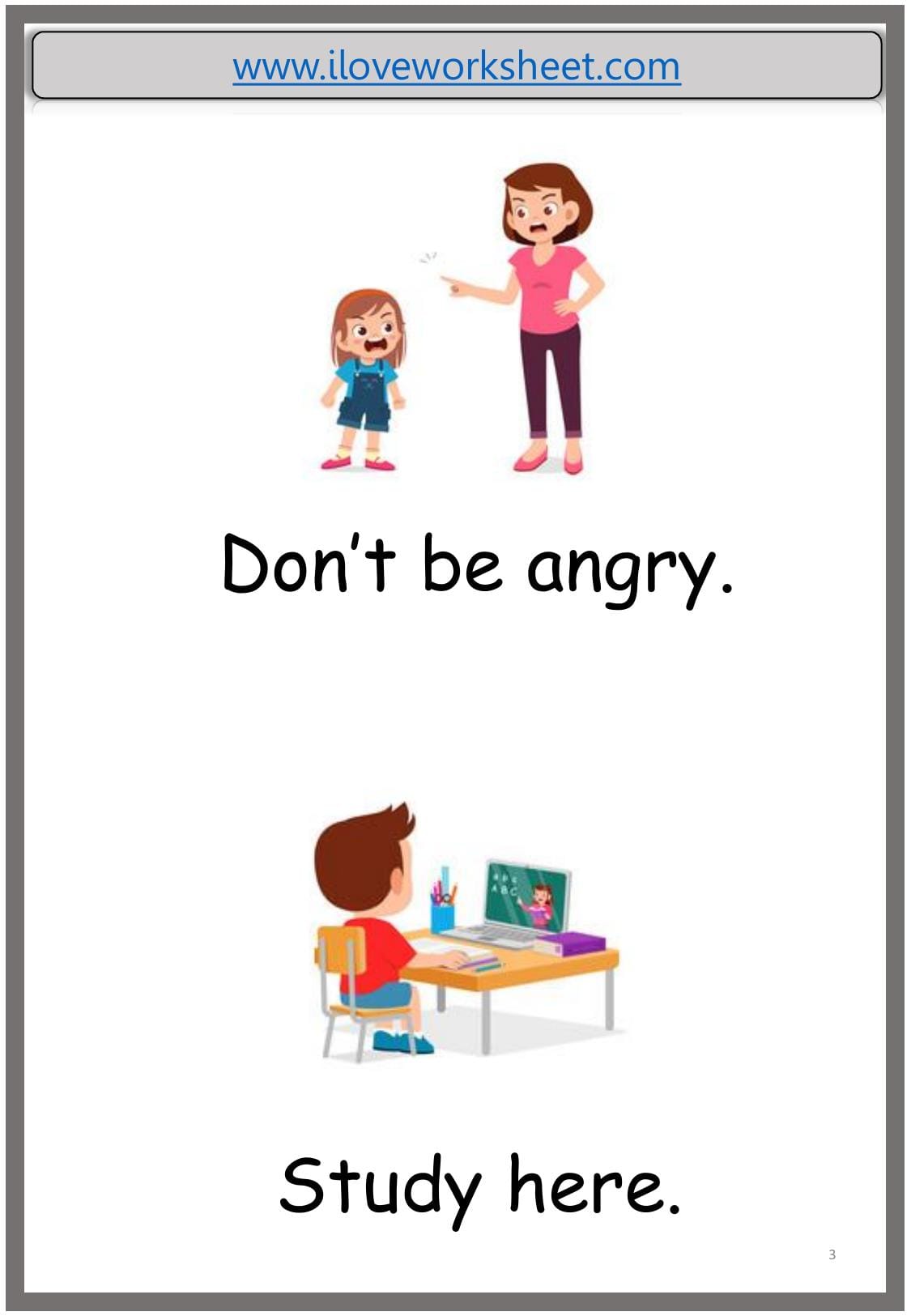
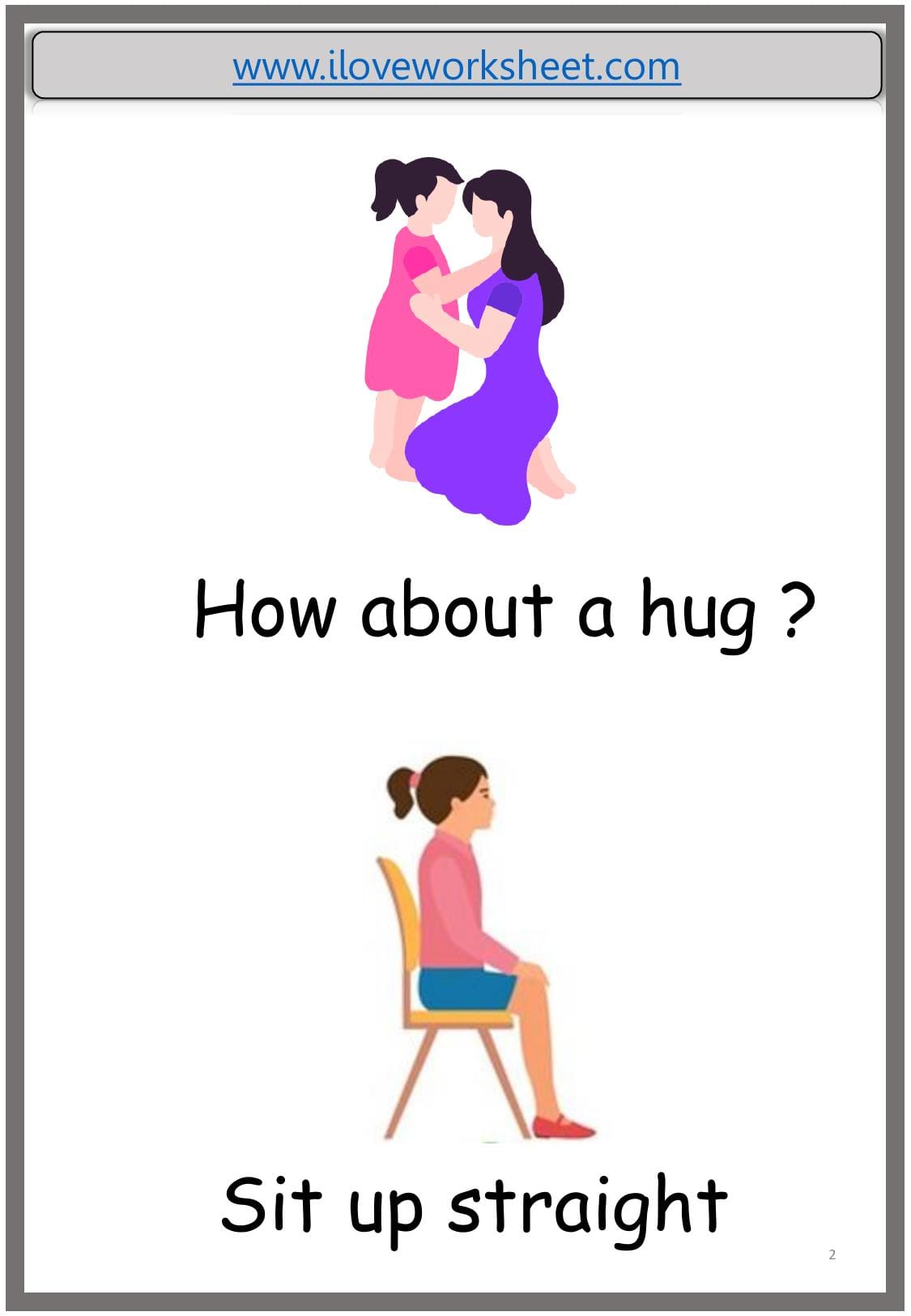
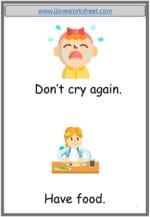
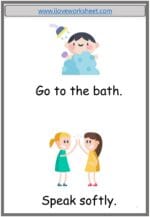
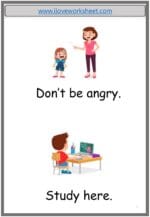
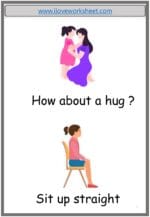

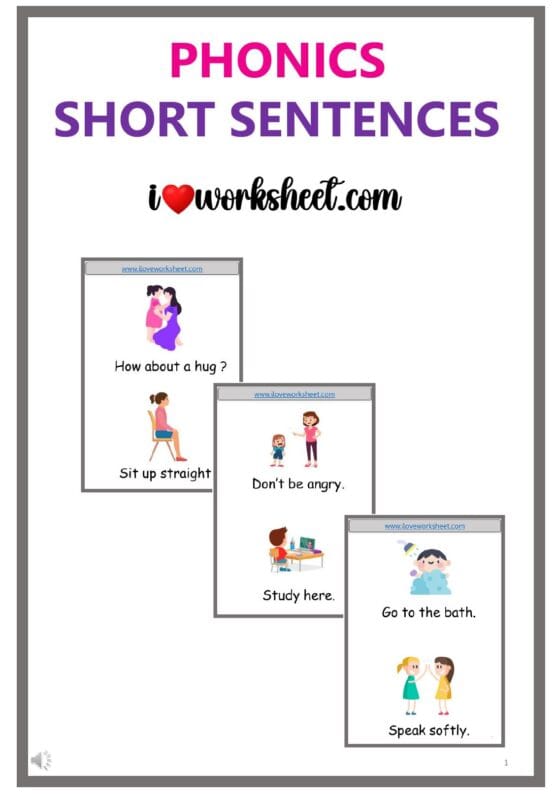
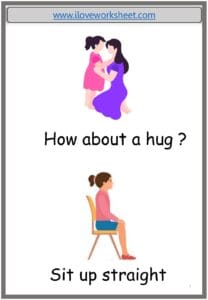
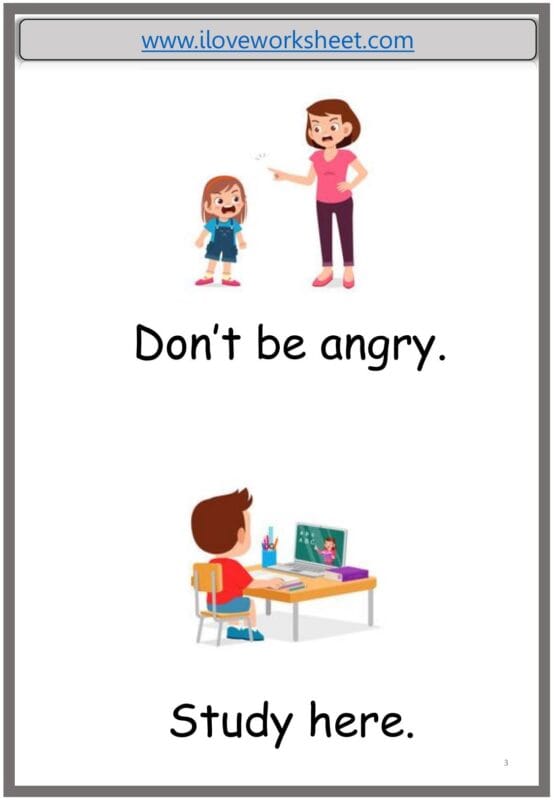
Early literacy development thrives on simplicity, repetition, and meaningful context. The 10 Short Sentences worksheet offers a collection of brief, practical phrases that help young learners build foundational reading and comprehension skills. These sentences—such as “How about a hug?” and “Sit up straight”—are not only easy to decode but also rooted in everyday communication, making them ideal for phonics practice and early language acquisition. Examples include short, functional lines like “Don’t be angry,” and “Study here.”
In this page, we explore how these simple sentences support early literacy, why they are effective for phonics instruction, and how teachers and parents can use them to strengthen children’s reading, speaking, and social‑emotional skills.
Short sentences are a cornerstone of phonics‑based learning. They allow children to:
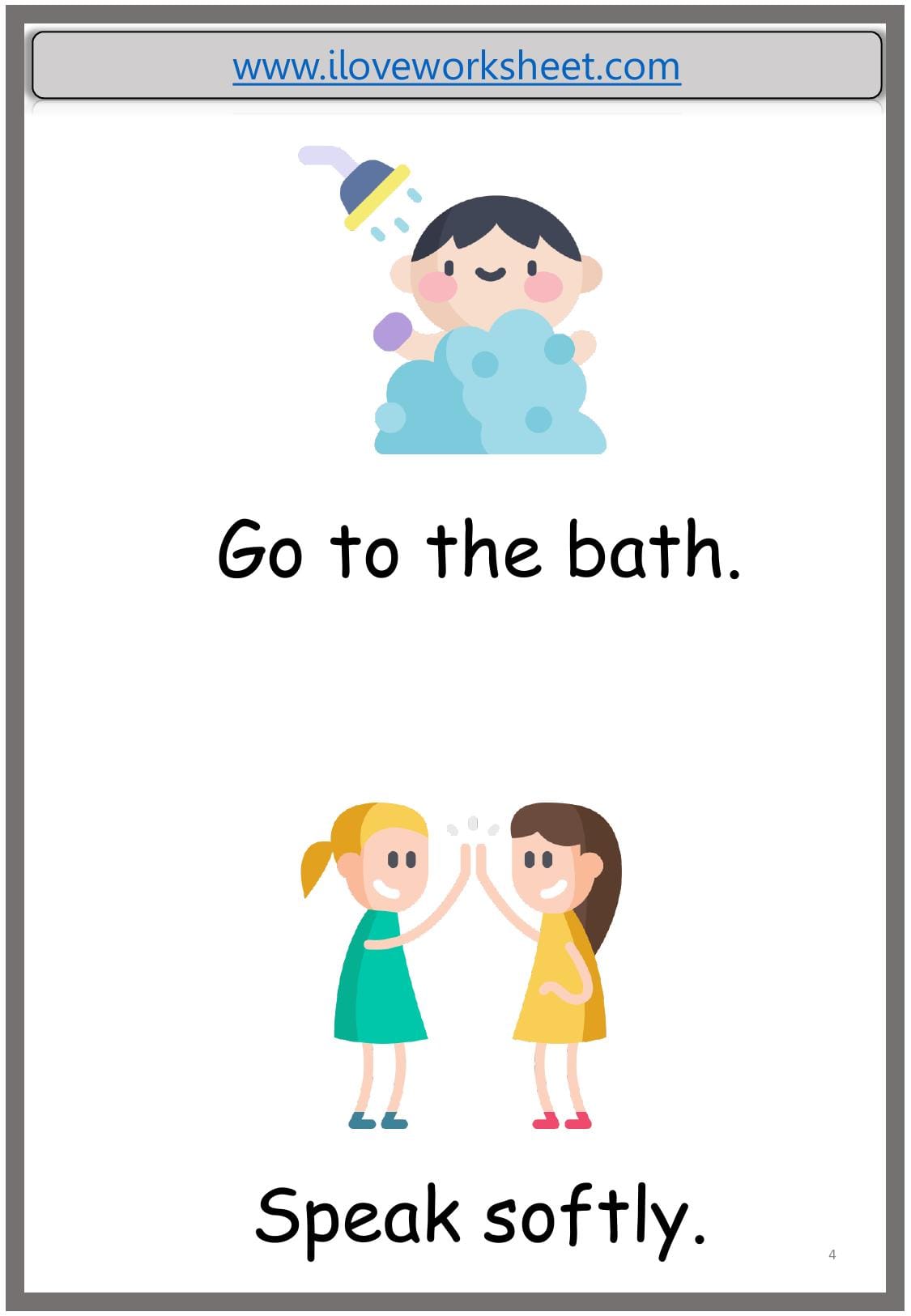
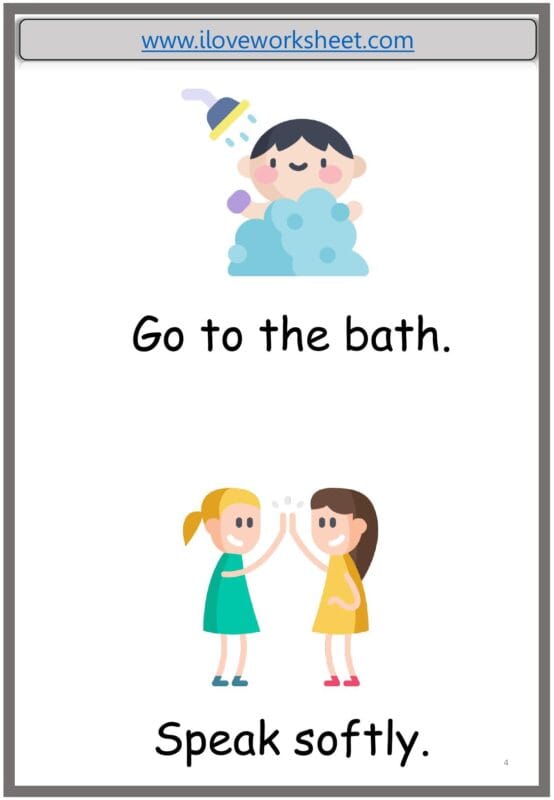
The sentences in the worksheet are intentionally brief and actionable. For example, “Go to the bath,” and “Speak softly,” give children clear, familiar commands that they can visualize and understand.
This combination of simplicity and relevance makes the learning experience more engaging and memorable.
Each sentence in the worksheet reinforces phonics patterns through repetition and context. Here’s how:
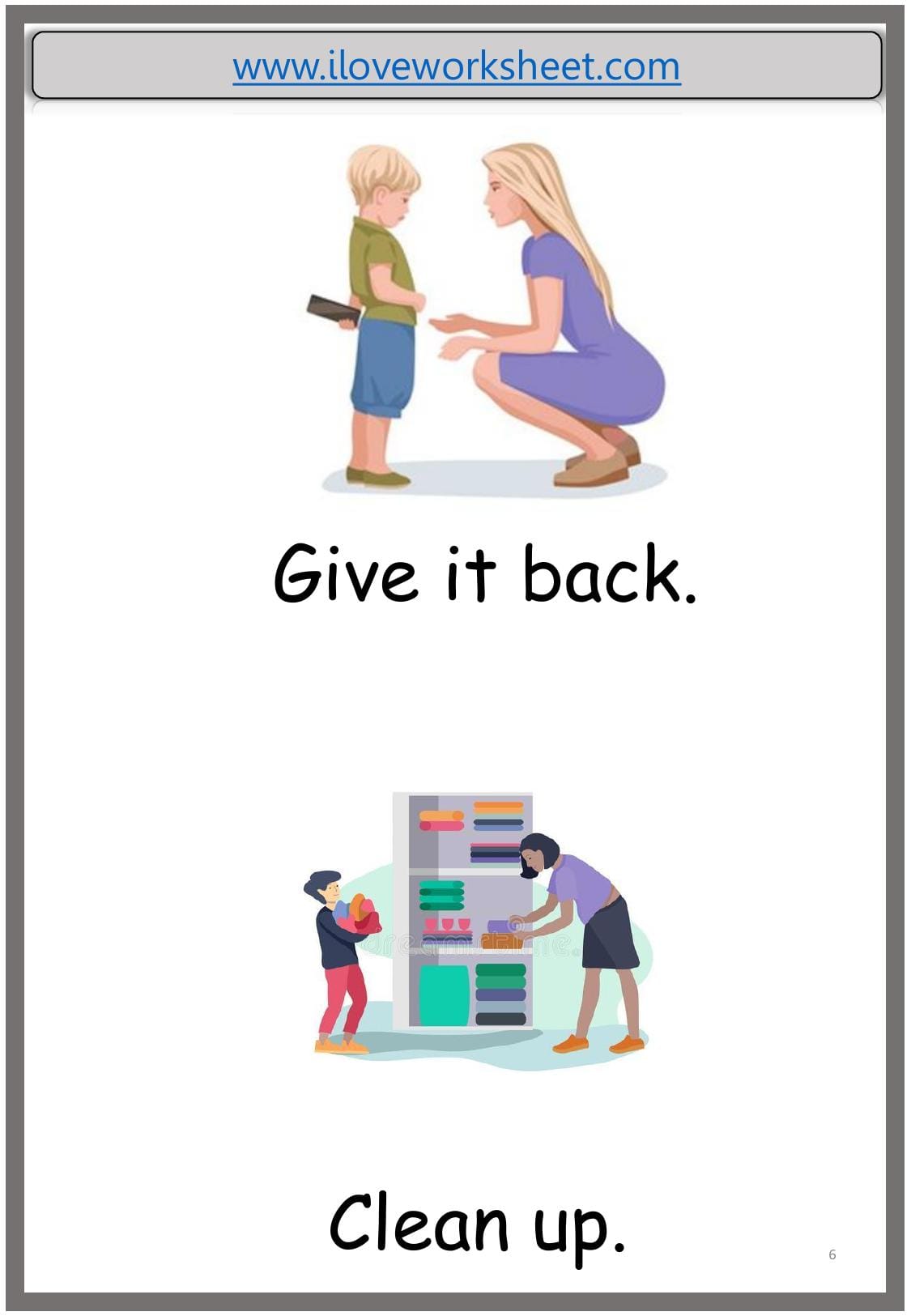
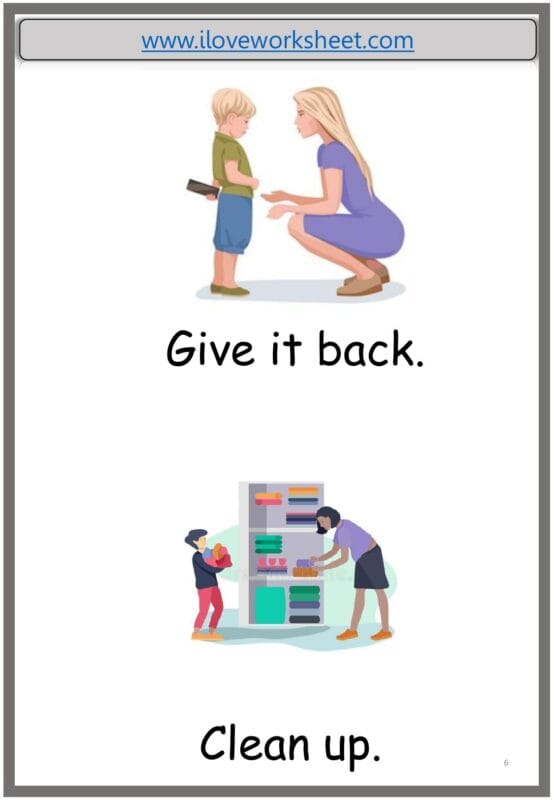
Sentences like “Give it back,” and “Clean up.” introduce common sight words (“give,” “it,” “up”) that children will encounter frequently in early reading.
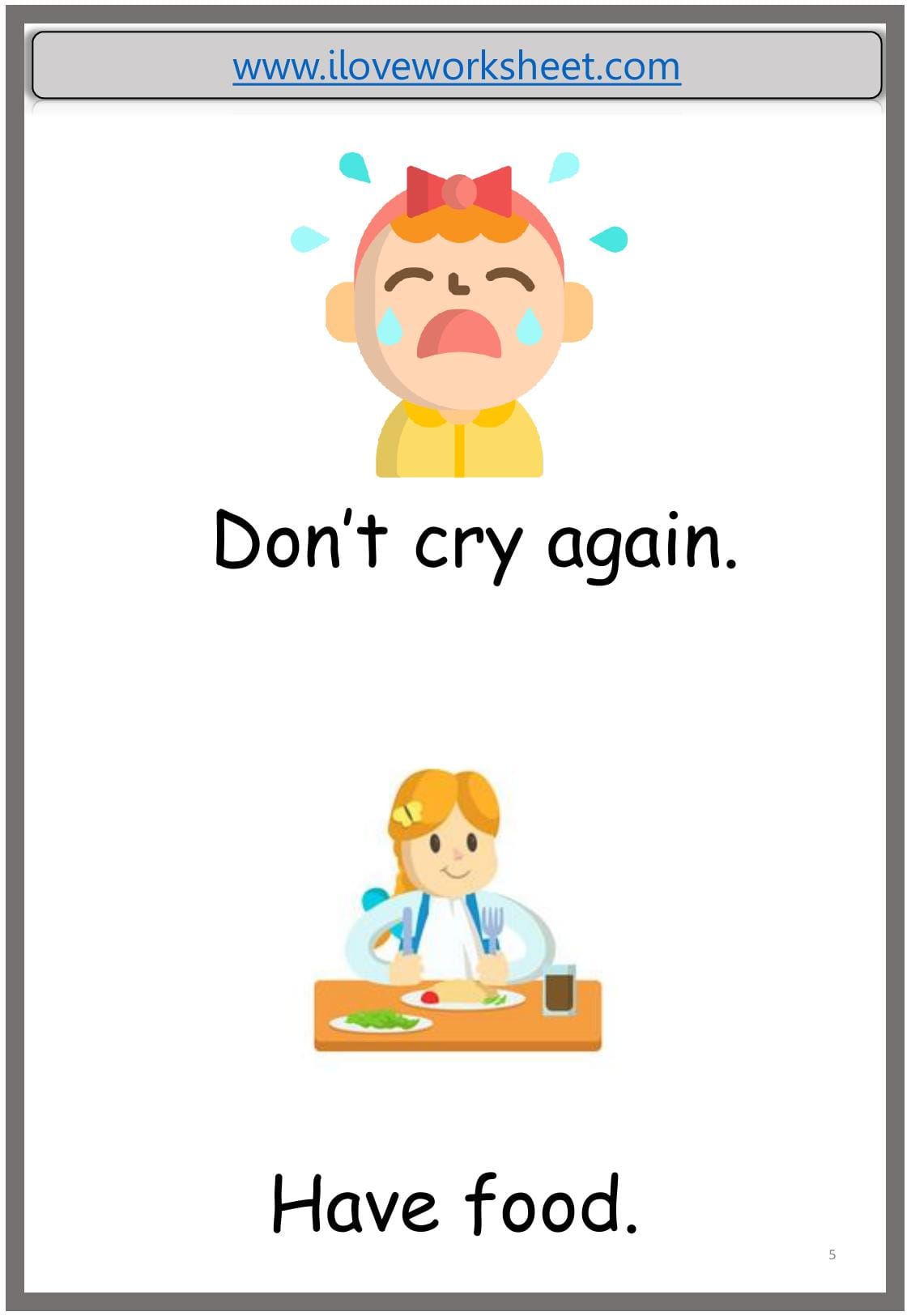
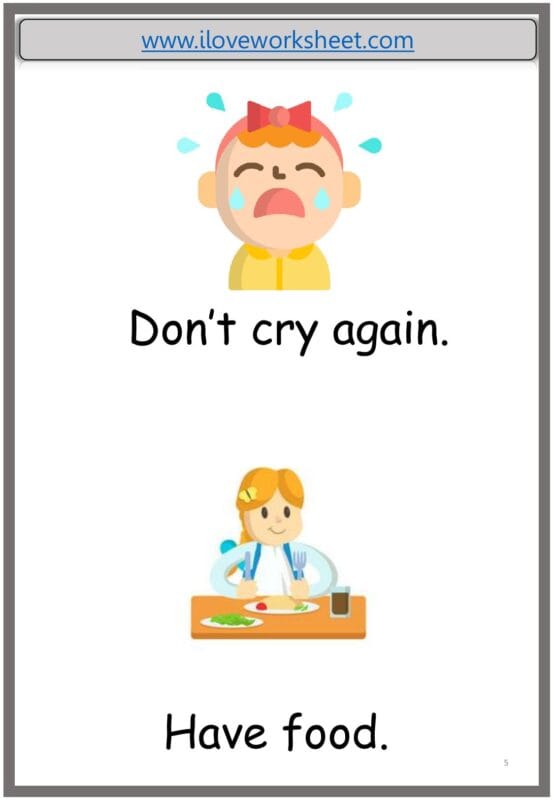
Commands such as “Study here.” and “Have food.” help learners connect verbs to actions, strengthening vocabulary and comprehension.
Phrases like “Don’t cry again” and “Don’t be angry” introduce emotional vocabulary, supporting both literacy and social‑emotional learning.
The sentence “How about a hug?” exposes learners to interrogative forms, expanding their understanding of sentence types.
One of the strengths of the worksheet is its blend of practical and emotional language. Children learn not only how to read but also how to express and interpret feelings.
For example:
These sentences help children understand social cues and emotional responses, making them valuable beyond phonics practice.
Parents can easily incorporate these sentences into daily routines. Here are some ideas:
Use “Sit up straight” or “Have food” at breakfast time to reinforce reading in real‑life contexts.
Ask your child to read “Don’t be angry” or “How about a hug?” and talk about what these phrases mean.
Sentences like “Clean up.” and “Give it back.” can be used during playtime to encourage responsibility while practicing reading.
“Go to the bath” becomes a functional reading cue during evening routines.
By connecting reading to daily life, children develop stronger comprehension and retention.
Teachers can use these short sentences in creative ways to support literacy instruction:
Display one sentence each morning. Have students:
Group sentences by phonics patterns:
Students can act out sentences such as “Speak softly” or “Give it back” to reinforce meaning through movement.
After reading “Study here,” students can write where else they like to study.
Use emotional sentences to spark discussions about feelings and empathy.
To make learning even more engaging, try these activities:
Match sentences to pictures that illustrate actions such as hugging, studying, or cleaning.
Children create a small booklet with each page dedicated to one sentence from the worksheet.
Pick a sentence—e.g., “Sit up straight.”—and have students identify all the /s/ or /t/ sounds.
Use emotional sentences to act out feelings.
Provide word cards and let students assemble sentences like “Give it back.” or “Clean up.”